
Reviewed · FOOD & MARKET TOURS
Private Tour to the Culinary World of Jerusalem Market
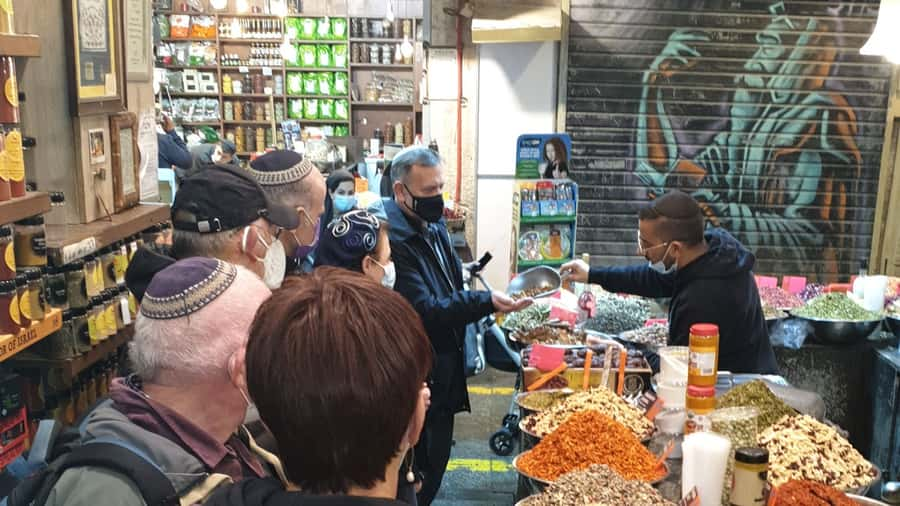
Jerusalem’s Mahane Yehuda Market is more than a place to buy produce. It is a food map of the Jewish world, and this private tour uses 6 to 8 tastings to connect Yemen, Greece, Europe, and Israel. I like the way guide Nissim Slama ties food to migration, family life, and the changing identity of Jerusalem.
I also like the private format, which gives you room to ask about the market and the city instead of following a large group. The tastings can be generous, so I would arrive hungry. The main drawback is the price: at $183 per person for two hours, this is a costly food walk, especially for solo visitors or couples on a tight budget.
Key points at a glance
- Six to eight tastings: The food is not just a sample parade. Each taste helps explain a part of Jewish and Israeli culinary culture.
- Nissim Slama leads the walk: He is a tour guide and lecturer who also talks about life in Jerusalem and the market’s changing role.
- A private two-hour experience: You get a more personal conversation and can ask questions at your own pace.
- Mahane Yehuda after dark: The market serves as a daytime food market and an evening place for eating and nightlife.
- Three language choices: The tour is offered in English, French, or Hebrew.
Why Mahane Yehuda is the right place for this tour
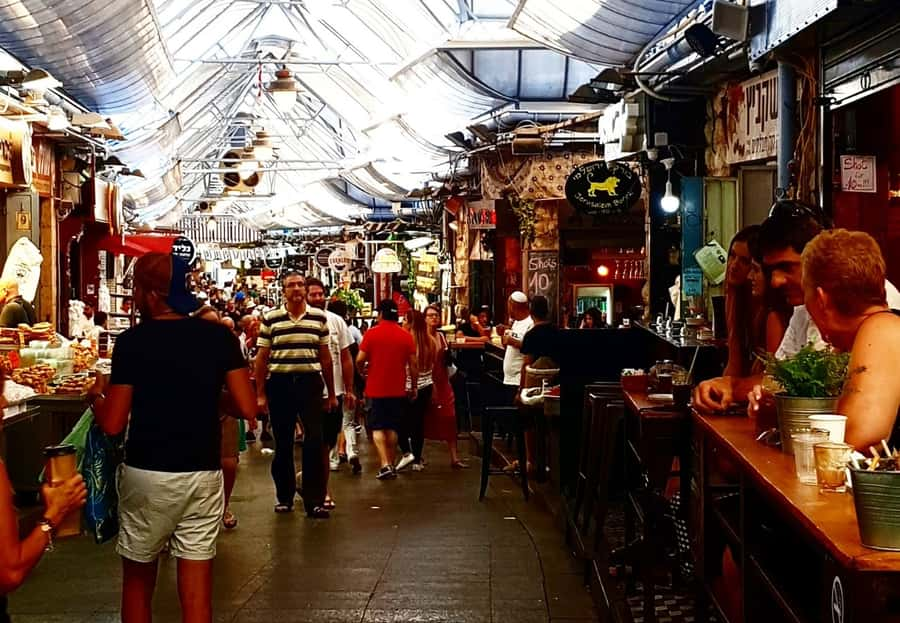
Mahane Yehuda is Jerusalem’s central market, a covered market where shoppers buy fruit and vegetables, eat street food, and head out for an evening in the city. That mix makes it a useful place to understand modern Jerusalem. It is both practical and social, a place where food is sold, shared, discussed, and reinvented.
I like that this experience does not treat the market as a simple row of food counters. The point is to follow the people behind the food. Jewish communities arrived in Israel from many parts of the world, bringing cooking methods, ingredients, family recipes, and religious traditions with them. Modern Israeli cuisine grew from those connections.
You are not simply tasting an item and moving on. You are learning how food can reveal a community’s past. A dish linked to Yemen may tell a different story from one connected to Greece or Europe. The tour uses those contrasts to explain how traditional Jewish cooking changed into a newer Israeli style.
That approach gives the market more meaning. You may already know the basics of hummus, bread, sweets, or grilled food. The useful part here is learning how different communities shaped what you eat in Jerusalem today.
More eating and market wandering in Jerusalem:
- Mahane Yehuda Market food tour jerusalem
★ 5.0 · 11 reviews - Israel private tours,wine tours,off-road, tailor made,culinary,the best
★ 5.0 · 6 reviews - Private Market Culinary Tour in Jerusalem
★ 5.0 · 4 reviews
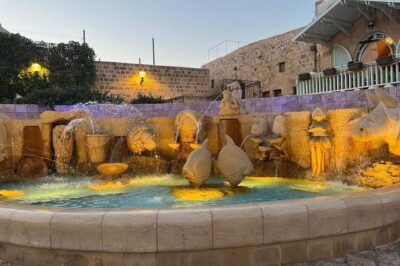
Meeting Nissim Slama by the mural
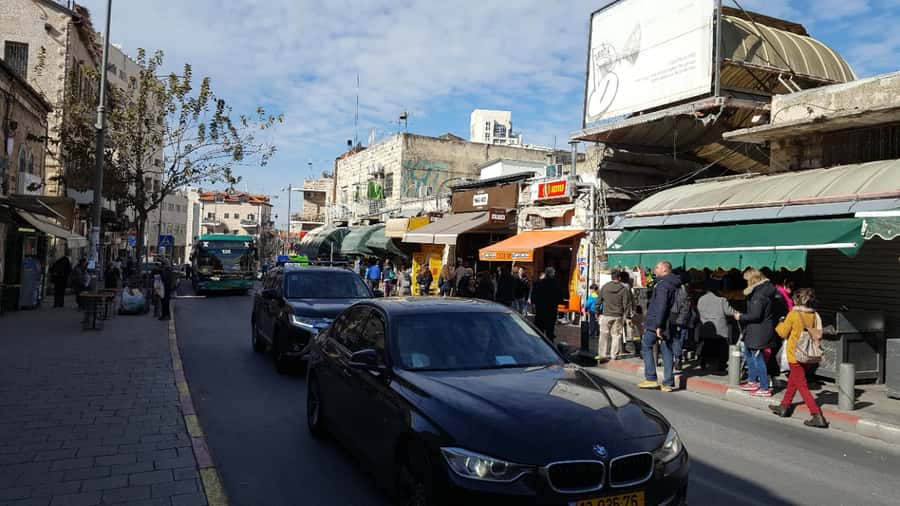
The meeting point is in front of the mural. That gives you a clear landmark inside an active market, though you should still allow a little time to find the exact spot. The tour is led by Nissim Slama, a tour guide and lecturer who brings the food together with stories about Jerusalem and its people.
Because this is a private group, I would use the beginning of the walk to tell Nissim what interests you. You might want more information about Jewish migration, modern Israeli food, market businesses, or daily life in Jerusalem. The two-hour length is short enough to fit into a busy sightseeing day, but long enough for a real conversation.
The private setup also matters if your group has different tastes or questions. A large public food tour can move quickly and leave little room for discussion. Here, you can ask why a food matters, how the market has changed, or how local life connects to what you are eating.
The tour is offered in English, French, and Hebrew. Choose the language in which you will be most comfortable discussing food, culture, and history, since the conversation is an important part of the experience.
Starting with the market’s story
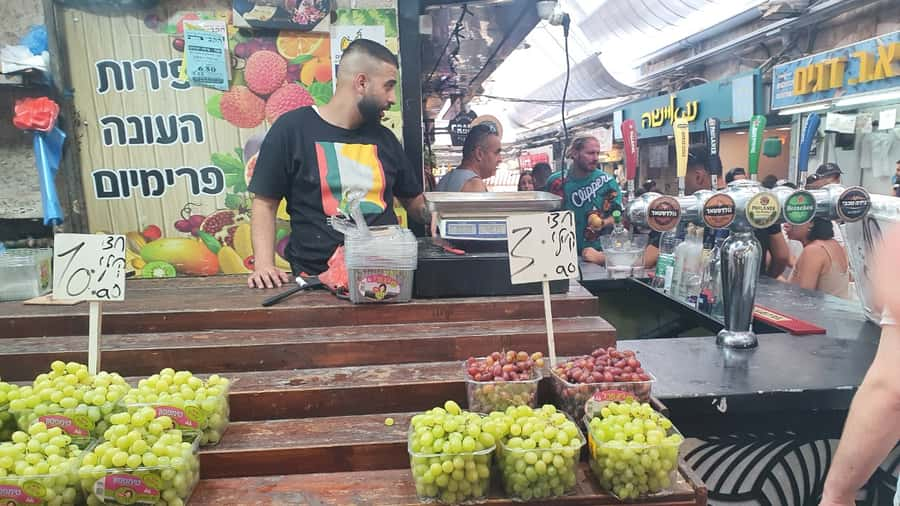
The first part of the experience focuses on the place itself and the shops. This is important because Mahane Yehuda is not just a collection of stalls chosen at random for tourists. The market has its own internal culture, and the tour is designed to explain how it works.
You can expect Nissim to set the food in context as you move through the market. The shopkeepers, displays, smells, and changing uses of the market all form part of the story. During the day, it functions as a central market for shopping. In the evening, it takes on a different role as a place to eat and go out.
That change is one of the more interesting features of the experience. The market is both old-fashioned and modern. It serves people buying ingredients for home, but it also supports a street-food scene and evening social life.
I would not expect a formal museum-style presentation. This is a walking conversation through an active market. You will be close to shops and food counters, and the surroundings are part of the lesson. If you prefer quiet rooms and carefully arranged exhibits, the setting may feel hectic. If you like seeing a city at work, it should suit you well.
Tasting Israel through the Jewish world
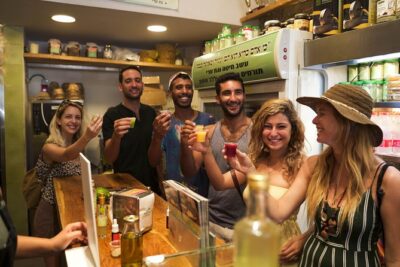
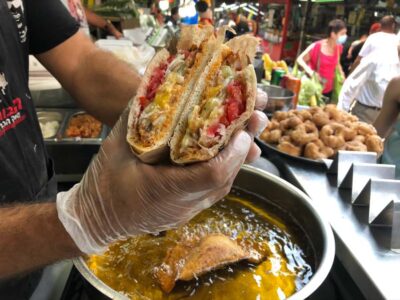
The tastings are the heart of the walk. You receive between six and eight samples, and the idea is to travel through the Jewish world by way of food. The stated connections include Yemen, Greece, Europe, and Israel, showing how modern Israeli cooking developed from many traditions.
Specific foods are not listed in advance, so I would not book this expecting a fixed menu of named dishes. Instead, think of the tastings as a food-led route through the market. The exact selection can be part of the market experience rather than a restaurant-style meal.
That flexibility has a benefit. You are tasting food in the setting where it is sold, alongside the market’s daily life. You are not sitting at a table far removed from the people and businesses that shape the food scene.
The practical advice is simple: do not eat a large meal beforehand. One verified participant, Amy, went with her daughter and found the tastings very ample. For a two-hour tour, six to eight substantial samples can add up quickly.
You should also remember that this is a guided food experience, not a shopping trip. Shopping is not included, and anything you buy in the market is your own expense. That separation is useful. You can focus on understanding the food first, then decide if you want to return to buy something later.
A few more things to do in Jerusalem worth a look
- Private Tour Jerusalem Old City
★ 5.0 · 118 reviews - JERUSALEM private tour with ELAD VAZANA – Life in Israel & Palestine Then & Now
★ 5.0 · 115 reviews - Palestine Revealed: 2-Day Private Tour from Jerusalem
★ 5.0 · 110 reviews - Bethlehem Half Day Private Tour – Pick up from Jerusalem/Tel Aviv/Ashdod
★ 5.0 · 54 reviews
From traditional Jewish cooking to modern Israeli food
The tour’s strongest idea is the link between cuisine and identity. Israeli food did not appear in isolation. It grew as people from different Jewish communities brought their own customs and adapted them to life in Israel.
The walk looks at how traditional Jewish cuisine became a new version of itself. That change can involve geography, family habits, available ingredients, and the meeting of different communities. You are encouraged to think about food as a record of movement and change.
I find this more useful than a tour that simply names one dish after another. Food becomes a way to discuss mentality, culture, and history without turning the experience into a long lecture. The market gives the subject a natural setting because the products, shops, and people are right in front of you.
The experience may suit you particularly well if you have already seen Jerusalem’s major religious and historic sites and want to understand the city through daily life. It also works for repeat visitors. Amy and her daughter had both visited the market many times, yet Nissim gave them a different view of its evolution and the city around it.
That is an important point. You do not need to be a first-time visitor to benefit. If you already know the market, the added value comes from interpretation, conversation, and the chance to notice connections you might otherwise miss.
What the private format adds
The tour costs $183 per person and lasts two hours. That is a high price for a short experience, so the value depends on what you want from it.
If you are paying mainly for food, the cost may feel hard to justify. You could spend less by exploring the market on your own and buying individual items. The tour is not designed as the cheapest way to eat in Jerusalem.
If you are paying for a private guide, six to eight tastings, and a focused explanation of the market’s culture, the calculation looks different. You are buying context as well as food. You can ask questions, keep the pace suited to your group, and receive a personal account of Jerusalem from Nissim.
The format is likely to work best for couples, families, or small groups who value conversation. It may also suit people celebrating a special occasion or visitors who want a food experience built around cultural background rather than a list of restaurant stops.
For budget-conscious solo visitors, the price is the main concern. A private tour gives you personal attention, but one person also carries the full per-person cost. I would compare it with the price of a group food walk before booking.
The two-hour pace and what you should expect
Two hours is enough time for a focused introduction to the market, but it is not enough for every part of Mahane Yehuda. You will get a selected route, several tastings, and an explanation of the market’s story. You should not expect a complete survey of every shop or every food tradition.
The pace should feel purposeful. Each stop has to do more than provide a bite, since the tour also covers the history of the place, the shops, and the market’s internal culture. The best use of your time is to pay attention to the connections between stops.
You may want to avoid scheduling another major meal immediately afterward. With six to eight tastings, you could finish satisfied, particularly if portions are as ample as the experience suggests.
Starting times vary, so check availability when you book. The market’s character can differ depending on the hour, but the activity is described as a two-hour market exploration rather than a fixed evening-only outing. If the evening market scene interests you, ask about the available start time before reserving.
Strengths and limits of the experience
The biggest strength is the combination of food and explanation. You are not left to guess why the market matters or how its food traditions came together. Nissim’s role as a guide and lecturer supports a conversation that goes beyond basic descriptions.
The ample tastings are another clear plus. You get enough food to make the experience feel substantial, not like a series of tiny samples. Still, generous portions can be a drawback if you have already eaten or have a small appetite.
The private group is valuable for people who like to ask questions. It also creates a more relaxed setting for discussing Jerusalem, Jewish communities, and the market’s changes. The tradeoff is cost.
The market itself gives the tour energy and authenticity, but it can also be busy and less controlled than a quiet indoor venue. The available information does not promise specific foods, named shops, or a guaranteed route, so book this for the broader experience rather than one particular dish.
Who should book this market tour?
I would recommend it to food-focused visitors who want cultural context with their meal. It is also a good fit for repeat visitors to Jerusalem, since knowing the market already does not remove the value of hearing how it developed.
Families may appreciate the private format, especially if they want to ask questions or keep the experience at their own pace. Couples and small groups who enjoy eating and conversation will probably get the most from the price.
I would be more cautious if you are looking for a low-cost way to sample Jerusalem food, a precise list of dishes, or a full-day market tour. You can explore Mahane Yehuda independently for less money, but you will not get the same focused explanation of how food, culture, mentality, and Jewish history connect.
Should you book it?
Book this private Mahane Yehuda tour if you want a guided food conversation, not just a snack stop. Nissim Slama offers a personal way to understand Jerusalem through its market, and the six to eight tastings make the lesson practical and satisfying.
Skip it if the $183 price feels too high for two hours or if you prefer choosing your own foods and shops. For those who value a private guide, ample tastings, and a clearer understanding of Israeli cuisine’s many roots, it can be a worthwhile splurge. Arrive hungry, meet by the mural, and bring questions.
FAQ
How long does the tour last?
The tour lasts two hours.
How much does the tour cost?
The listed price is $183 per person.
Where does the tour meet?
The meeting point is in front of the mural at Mahane Yehuda Market.
How many tastings are included?
Between six and eight tastings are included.
Is shopping included?
No. Shopping in the market is not included, so you pay separately for anything you choose to buy.
Is this a private tour?
Yes. The activity is offered for a private group.
Which languages are available?
The tour is offered in English, French, and Hebrew.
Who leads the tour?
The experience is led by Nissim Slama, a tour guide and lecturer.
Just added in Jerusalem
- jerusalem classic tour★ 5.0 · 3 reviews
- kosher Israel wine tour★ 5.0 · 4 reviews
- West Bank Tour from Jerusalem and Tel-Aviv – Bethlehem & Jericho★ 5.0 · 6 reviews
- full day tour Jerusalem price per van up to 6 people★ 5.0 · 8 reviews
- Tour of Jerusalem & Dead sea private tour★ 5.0 · 4 reviews
- Tour of Masada-Dead Sea and Qumran from Jerusalem★ 3.5 · 11 reviews
- Full Day Private Christian Tour in Jerusalem with Tour Guide★ 5.0 · 28 reviews
- Magical Walking Tour in Old City of Jerusalem★ 5.0 · 27 reviews
Food & Market Tours, compared.
Jaffa: Old City, Port & Shuk Hapishpishim Walking Tour
Read our review →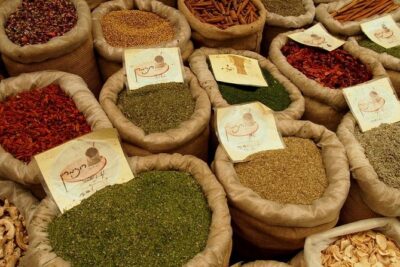

Browse the lists this tour appears in