
Reviewed · FOOD & MARKET TOURS
Mahane Yehuda Market food tour jerusalem
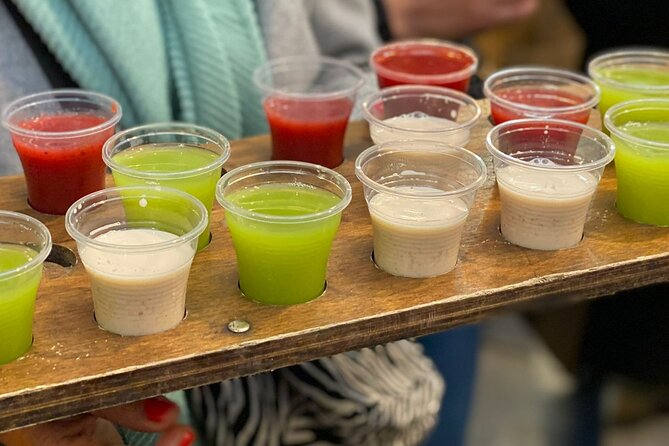
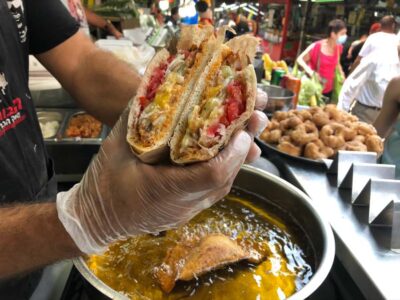
Mahane Yehuda is best understood one bite at a time. This 2.5-hour food walk turns Jerusalem’s famous market into a tasting table, with hummus, falafel, shawarma, kubbeh, arak, hachapuri, coffee, and sweets on the route. You get a useful introduction to the food traditions that shaped modern Israel, not just a stroll past produce stalls.
I like two things here. First, the roughly ten tastings can replace a full meal, so the $99 price is easier to justify than it might look. Second, guide Orit brings food, history, religion, and present-day Israeli life into the conversation. The small group, capped at 12, should also make it easier to hear and ask questions.
The main consideration is timing. The tour information gives both 10:00 am and 10:30 am as the start time, so confirm the exact departure before setting out. Also, sesame appears in several classic foods, and this experience is not recommended if you have a sesame allergy.
Key points to know before booking
- Ten substantial tastings: Expect enough food to function as breakfast and lunch, not a token sample or two.
- Orit leads the experience: Her approach connects preparation, ingredients, food origins, culture, and Israeli society.
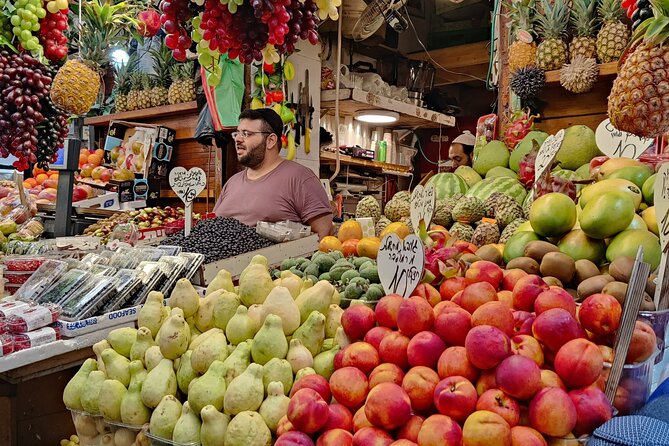
- Mahane Yehuda is the classroom: The market began under Ottoman rule as a place for nearby farmers to sell produce.
- Small-group format: A maximum of 12 people is useful in narrow market lanes and around busy stalls.
- Classic and modern Israeli food: The menu includes hummus, arak, falafel, shawarma, hachapuri, kubbeh, coffee, and sweets.
- Check the morning departure: The supplied details list both 10:00 am and 10:30 am, so verify the final time.
Why Mahane Yehuda makes such a good food stop
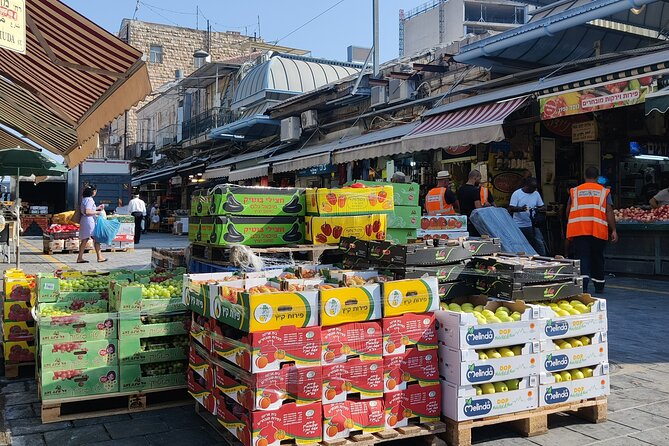
Mahane Yehuda began in the late 19th century, during Ottoman rule, as a gathering place for farmers from nearby villages. They brought in freshly harvested produce, and the market grew from that practical beginning into one of Jerusalem’s best-known food centers.
That background matters because you are not tasting food in an isolated cooking class. You are eating in the place where buying, selling, preparing, and discussing food are part of daily life. The market gives the tour a sense of place that a restaurant tasting menu cannot match.
You can expect the route to move through market stalls and food counters rather than follow a formal sit-down meal. That means the setting is active and crowded at times, with plenty to look at between bites. It also means you should wear comfortable shoes and keep your attention on the guide, the food, and the people moving around you.
I like the way the market provides a practical lesson in ingredients. The tour includes advice on choosing good seasonal produce, which adds value beyond the tasting itself. You are learning what to look for, not simply being handed prepared food without context.
More eating and market wandering in Jerusalem:
- Israel private tours,wine tours,off-road, tailor made,culinary,the best
★ 5.0 · 6 reviews - Private Market Culinary Tour in Jerusalem
★ 5.0 · 4 reviews - Private Tour to the Culinary World of Jerusalem Market
★ 5.0 · 3 reviews
What the ten tastings actually add up to
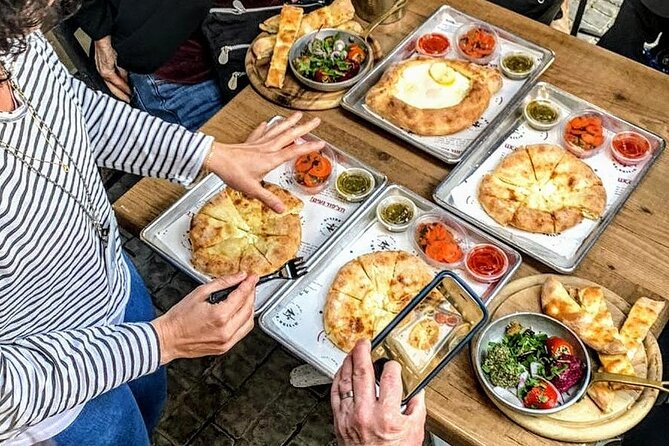
The tour promises a generous range of about ten tastings. Exact portions and the order of stops are not specified, but the listed foods give you a clear sense of the experience.
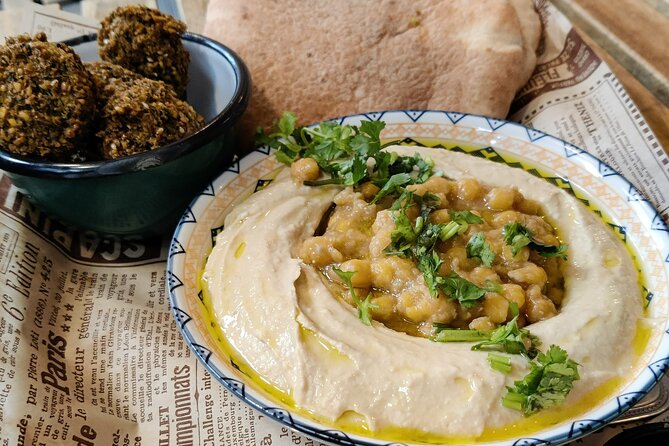
Hummus offers a familiar entry point into the region’s food culture. Here, the value is not just the creamy dip itself. Orit can explain how ingredients and preparation shape the final dish, and how hummus fits into everyday eating.
Falafel brings a crisp, filling bite and another basic part of the local food tradition. Shawarma adds a more substantial meat option, making it easier to understand why the tasting can serve as a full meal substitute.
You may also try kubbeh, a dish with roots in the cooking traditions of Jewish communities from the Middle East. It is the sort of food that benefits from explanation, since the name can cover different preparations and fillings.
Hachapuri brings a different influence to the table. Its inclusion shows how Israeli food is not one single tradition, but a meeting point for many communities and cooking styles. The tour is strongest when it uses each dish to explain those connections.
The drink stops matter, too. Arak gives you a taste of a traditional anise-flavored spirit, while specialty coffee offers a gentler pause. Traditional sweets finish the food sequence on a sugary note.
Ten samples can sound modest until you remember that several are substantial foods. Do not eat a large breakfast beforehand. Arrive hungry, but not so hungry that you cannot enjoy the early tastings.
From farm produce to modern Israeli cooking
One of the most useful themes here is the link between fresh ingredients and finished dishes. Mahane Yehuda began with agricultural trade, and the tour keeps that connection in view by discussing seasonal produce and how to choose quality ingredients.
That is a better way to understand Israeli cuisine than treating it as a fixed list of famous dishes. Modern Israeli cooking draws from local produce and from the food traditions of many communities. The tasting list reflects that mix, moving from hummus and falafel to kubbeh, hachapuri, coffee, sweets, and drinks.
Orit’s role appears especially important here. The supplied feedback describes her as someone who can connect food with the origins of dishes, religious history, current Israeli life, and the social complexity of the country. That wider framing is likely to be the tour’s main difference from simply buying snacks at the market.
I would book this experience for the explanation as much as for the food. If you already know Mahane Yehuda well, a guide can give familiar stalls a new meaning. One person who had visited the market many times still found Orit’s tour to be a major improvement over walking through alone.
Orit’s guiding style and the small group
The strongest praise centers on Orit. She is described as warm, energetic, generous with tastings, and able to adjust her approach to a group ranging from ages 30 to 70. Those are useful qualities on a food tour, where people often differ in appetite, background, and interest in history.
Her experience also extends beyond this short market walk. She has led longer culinary programs around Israel, and that wider experience helps explain why the tour connects individual dishes to larger cultural themes. You should expect more than a list of ingredients and stall names.
The group limit is 12 people. That is a sensible size for Mahane Yehuda. A large group can block a narrow passage, lose sight of the guide, or turn a tasting into a slow handoff. With fewer people, you have a better chance of hearing the explanation and getting a direct answer.
Still, small group does not mean private. Other people may be shopping, working, and eating around you. The market setting is part of the appeal, but you should not expect the quiet pace of a private dining room.
Same base, a different sort of day:
- From Jerusalem: Masada & Dead Sea Full Day Tour with Pick Up
★ 4.5 · 815 reviews - Masada and the Dead Sea Day Trip from Jerusalem
★ 4.5 · 757 reviews - From Jerusalem: Nazareth and Sea of Galilee Tour
★ 4.5 · 588 reviews - Nazareth and the Sea of Galilee Day Trip from Jerusalem
★ 4.5 · 446 reviews
How the 2.5 hours are likely to feel

The meeting point is at Agripas Street 88, and the activity returns there at the end. Since no transportation is included or needed, the experience is focused on walking and eating within the market area.
The route should feel like a series of short stops rather than one long talk. You may pause for a tasting, hear about its ingredients and background, then continue to another stall or counter. That rhythm keeps the morning moving and gives you different smells, textures, and flavors along the way.
The first part is likely to help you get oriented to the market and its produce. From there, the food becomes more filling, with dishes such as falafel, shawarma, kubbeh, and hachapuri. Coffee and sweets round out the experience.
Because the tour lasts about two and a half hours, it has enough time for conversation. A shorter 60-minute food walk might give you highlights but little explanation. This one leaves room for Orit to discuss how Israeli cuisine developed and why certain foods matter.
The tradeoff is that the tour takes up much of the morning. If you are trying to fit several Jerusalem sights into one day, plan around it rather than treating it as a quick snack break. The timing also makes it a useful first activity, since you can return to the market later on your own if a particular food catches your attention.
Is $99 a fair price?
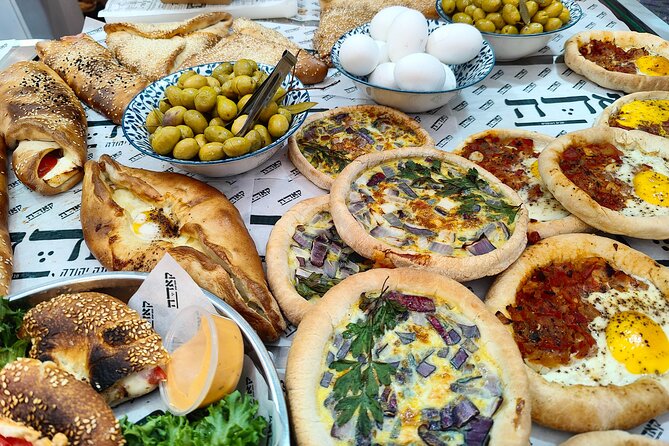
At $99 per person, this is not the cheapest way to visit Mahane Yehuda. You can walk through a market for free and purchase individual snacks as you go.
The comparison changes when you count what is included in the experience. You are paying for around ten tastings, a 2.5-hour guided visit, cultural and food background, help understanding ingredients, and the convenience of a planned route. If those tastings genuinely replace a full meal, the cost becomes easier to accept.
The price is strongest for people who would otherwise spend money sampling several foods without knowing where to go or what to order. It also suits anyone who wants food explained in relation to Israeli history and culture.
It is less compelling if you mainly want a cheap lunch or prefer to choose every dish yourself. The tour controls the route and tasting sequence, and the available details do not promise that every dietary preference can be accommodated.
A good strategy is to think of this as a guided meal with a market lesson attached. If you value both parts, $99 is reasonable. If you only want to eat, you may find the cost high.
Allergies, access, and practical planning
The activity is near public transportation, and most people can take part. Service animals are allowed. Since the tour takes place in a market and involves walking, comfortable footwear remains a sensible choice.
The important food warning is sesame. Hummus, falafel, and other regional foods often involve sesame or tahini, and this tour is specifically not recommended for people with a sesame allergy. Do not assume that a substitution will be available. Ask the provider before booking if you have any dietary concern.
The tour uses a mobile ticket, which is convenient for a morning meeting. Confirmation is sent within 48 hours of booking, subject to availability. The stated meeting point is Agripas Street 88.
There is a small timing conflict in the supplied details: the overview says 10:00 am, while the meeting information says 10:30 am. Treat 10:30 am as the listed meeting time, but confirm directly so you do not arrive late or wait unnecessarily.
The cancellation policy is generous if your plans change. You can receive a full refund when you cancel at least 24 hours before the local start time. Cancellations or changes made within 24 hours are not accepted for a refund.
Who will enjoy this food tour most

I would recommend it to first-time visitors who want a quick, useful introduction to Israeli food without spending several days finding the best stalls on their own. It also fits repeat visitors who have walked through Mahane Yehuda but want to understand the market in more depth.
Food-focused travelers will get the most from the range of dishes and the attention to ingredients. So will anyone interested in how different communities and traditions shape Israeli cooking.
The tour also appears suitable for mixed-age groups. Orit’s ability to work with people from their 30s through their 70s suggests a flexible pace and broad subject matter. You do not need to be a serious food expert.
I would be cautious if you have a sesame allergy, need a strictly controlled diet, or dislike eating substantial food in a busy public market. The tour is also not the best fit if you want a private, quiet, highly customized meal.
Should you book the Mahane Yehuda food tour?
Book it if you want a full morning of tasting and context, not just a market walk. The combination of roughly ten foods, a group of no more than 12, and Orit’s food-and-culture focus gives the experience a clear purpose.
The best reason to go is Orit’s ability to connect what is on your plate with the people, traditions, and ingredients behind it. The market setting supplies the atmosphere, but her explanations turn the food into a story about Jerusalem and Israeli society.
Skip it if $99 is more than you want to spend on food, if you prefer choosing your own stops, or if sesame is a serious concern. For everyone else, it is a strong way to start a Jerusalem visit, especially if you arrive hungry and confirm the morning start time.
FAQ
Where does the Mahane Yehuda food tour start?
The meeting point is Agripas Street 88 in Jerusalem.
Where does the tour end?
The activity ends back at the meeting point.
What time does the tour start?
The supplied details list 10:00 am in the overview and 10:30 am in the meeting information. Confirm the exact start time before the tour.
How long does the experience last?
The food tour lasts approximately 2 hours and 30 minutes.
How many tastings are included?
The tour offers around ten tastings, including hummus, arak, falafel, shawarma, hachapuri, kubbeh, specialty coffee, traditional sweets, and other foods.
How many people can join the tour?
The maximum group size is 12 people.
Is the tour suitable for someone with a sesame allergy?
No. The experience is not recommended for people with a sesame allergy.
What is the cancellation policy?
You can cancel at least 24 hours before the local start time for a full refund. Cancellations or changes made less than 24 hours before the start time are not accepted for a refund.
Just added in Jerusalem
- jerusalem classic tour★ 5.0 · 3 reviews
- kosher Israel wine tour★ 5.0 · 4 reviews
- Tour of Jerusalem & Dead sea private tour★ 5.0 · 4 reviews
- West Bank Tour from Jerusalem and Tel-Aviv – Bethlehem & Jericho★ 5.0 · 6 reviews
- full day tour Jerusalem price per van up to 6 people★ 5.0 · 8 reviews
- Full Day Private Christian Tour in Jerusalem with Tour Guide★ 5.0 · 28 reviews
- Magical Walking Tour in Old City of Jerusalem★ 5.0 · 27 reviews
- Tour of Masada-Dead Sea and Qumran from Jerusalem★ 3.5 · 11 reviews
Food & Market Tours, compared.
Jaffa: Old City, Port & Shuk Hapishpishim Walking Tour
Read our review →

Browse the lists this tour appears in