
Reviewed · JAFFA & OLD PORT TOURS
The full walk of Tel Aviv! – The city,Jaffa and the German colony
Tel Aviv’s story makes the most sense on foot, and this private route ties together German Templar houses, Bauhaus boulevards, old Jaffa, and the former railway station in one useful five-hour sweep. I especially like the way it moves from modern Sarona through Rothschild Boulevard and Neve Tzedek before ending near the beach at Hatachana.
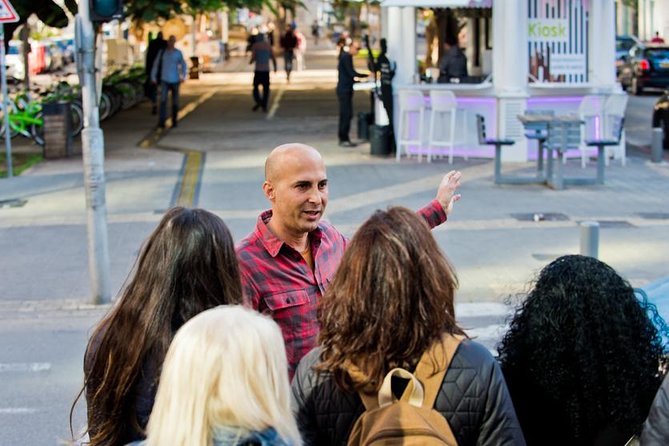
I also like the private format, which lets you shape the conversation around architecture, food, art, or Israeli independence. Guide Oded Yavin receives especially strong praise for his warm company, historical explanations, and practical tips about restaurants and cultural activities. The main drawback is the pace: five hours of city walking is a lot, and the $130 price per person is easier to justify for a small group than for a solo visitor.
Key points at a glance
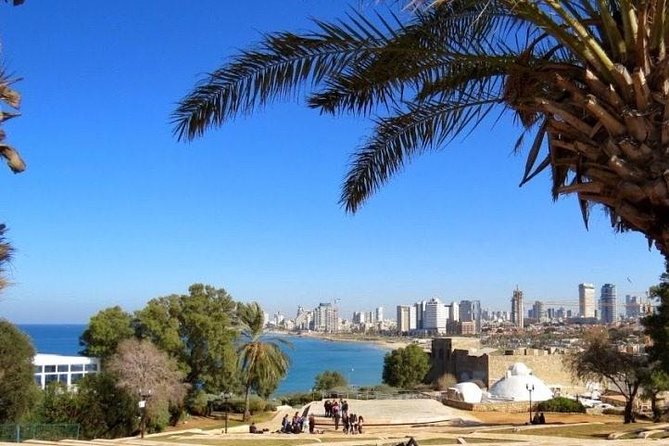
- A five-hour city cross-section: The route covers Sarona, Rothschild Boulevard, Neve Tzedek, the Suzanne Dellal Centre, Hatachana, and Old Jaffa.
- Private guiding matters: Only your group takes part, so you can ask questions and adjust the focus as you go.
- Architecture is a major theme: Rothschild Boulevard brings you through Tel Aviv’s Bauhaus center, known as the White City.
- The route ends at Hatachana: You finish at a restored Ottoman-era railway complex near one of Tel Aviv’s appealing beach areas.
- Oded Yavin is worth requesting: His strengths are historical context, architecture, and useful suggestions for places to explore afterward.
- Plan for real walking: Wear comfortable shoes, bring water, and remember that food, drinks, and transport are not included.
What this Tel Aviv walk helps you understand
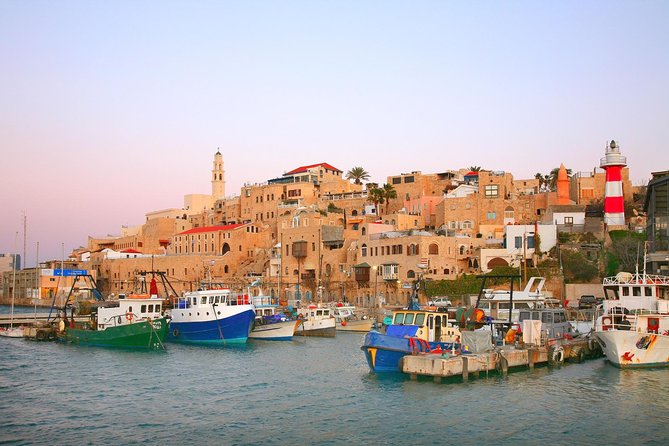
Tel Aviv can feel like several cities laid side by side. Sarona has German Templar roots. Rothschild Boulevard is tied to the growth of modern Tel Aviv and Israeli independence. Neve Tzedek brings restored early neighborhoods, galleries, and cafés. Jaffa reaches much further back, with old lanes, a market, and an artist quarter.
This tour is valuable because it links those areas rather than treating them as isolated sights. You get a sense of how the city changed from a small settlement outside Jaffa into Israel’s cultural and commercial center.
The route is private and conducted in English by a licensed Israeli guide. That gives you more room to pause at a building, ask about a political event, or request advice for the rest of your stay. If Oded Yavin is available, I would ask for him by name. He is praised for explaining the city’s history and architecture while also pointing out restaurants and cultural activities you can visit later.
The advertised price is $130 per person. That is not a budget walking tour, but it includes a private guide rather than a large shared group. The value improves if two or more people are splitting the cost and want a tailored introduction to Tel Aviv. For one person, the price is harder to defend unless personal guiding and a flexible route are high priorities.
Other old-quarter walks in Tel Aviv:
- Tel Aviv Jaffa Guided Bike Tour
★ 4.5 · 178 reviews - Tel Aviv: Jaffa Half-Day Walking Tour
★ 4.5 · 70 reviews - Tel Aviv: Jaffa & Carmel Market Walking Tour
★ 4.7 · 60 reviews
Starting among Sarona’s Templar buildings
The morning begins at 9:00 am at Eliezer Kaplan Street 26, near Sarona. The meeting area is important: this is not just a convenient starting point, but one of the clearest places to see Tel Aviv’s layers of settlement.
German-speaking Templers founded Sarona in 1871. They planted grapes, oranges, and vegetables, creating a rural colony that later became surrounded by the expanding city. The district now combines restored 19th-century buildings with shops, galleries, cafés, restaurants, bars, and Tel Aviv’s large food market.
Your guide can explain how the former colony changed after the Second World War and how its old buildings were brought back into public use. The contrast is the point. You are looking at original Templar structures in the middle of a central business district, with modern city life filling the spaces around them.
Sarona also has a less visible side. The area contains underground Templar features and stories, which give the stop some extra character beyond its cafés and polished public spaces. You should allow time after the tour if you want to browse the food market, but remember that food and drinks are your own expense.
Reading Tel Aviv through Rothschild Boulevard
From Sarona, the tour takes you toward Rothschild Boulevard, one of the city’s best places to understand modern Tel Aviv. The boulevard is lined with commercial, financial, cultural, and residential activity, but its real draw for a walking tour is its architecture.
Tel Aviv’s White City is known for its large collection of Bauhaus buildings, and Rothschild Boulevard is one of the strongest areas for seeing them. Your guide can point out the clean lines, balconies, curves, and practical design features that give the district its visual identity.
I like this part of the route because architecture becomes a way to discuss people and politics. The boulevard is also linked to the founding of the State of Israel, so you are not simply looking at attractive façades. You are standing in a part of the city where national history and everyday urban life meet.
The planned stop here lasts about 45 minutes. That is enough for an introduction and a look at key buildings, but not enough to inspect every street or building in the White City. If Bauhaus architecture is your main interest, use the private format to say so at the beginning.
Rothschild Boulevard also has a central pedestrian area with coffee kiosks, cyclists, and people using the street as a social space. It is a useful reminder that Tel Aviv’s landmarks are not separate museum pieces. They remain part of normal city life.
Neve Tzedek, restored and still easygoing
Neve Tzedek may be one of Tel Aviv’s oldest districts, founded in 1867, but it has a youthful feel. Restoration work has brought many of its buildings back from neglect, and today the neighborhood is known for boutiques, galleries, cafés, and narrow streets.
The scheduled visit lasts about 40 minutes. That gives you time to walk through the area and hear how it developed, but you may want to return later if you plan to shop or eat. The tour is designed as an orientation, not a long meal stop.
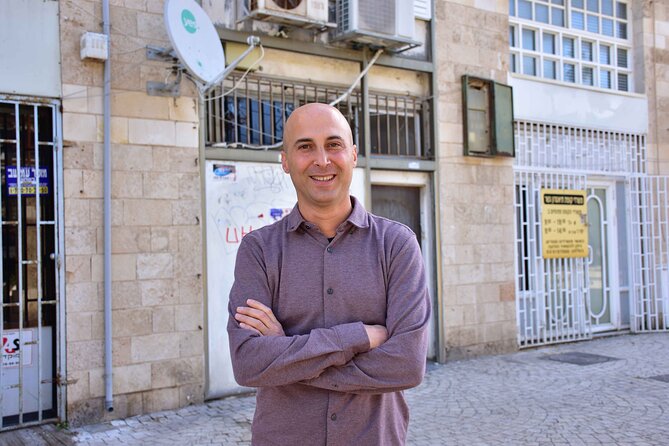
This is also one of the best places to ask your guide for practical advice. Oded is specifically praised for suggesting restaurants and cultural activities, and Neve Tzedek is the natural point in the route to discuss where to eat or what to see after the walk.
The neighborhood’s appeal comes from its scale. After the wider boulevard, Neve Tzedek feels more intimate, with winding lanes and restored façades. It is a pleasant place to slow down, though anyone expecting a formal museum visit should know that the experience is mainly outdoor walking and conversation.
Same base, a different sort of day:
- From Tel Aviv: Masada & Dead Sea Full Day Tour with Pick Up
★ 4.5 · 1,496 reviews - From Tel Aviv: Jerusalem and Bethlehem Guided Day Trip
★ 4.3 · 1,316 reviews - Masada and the Dead Sea Day Trip from Tel Aviv
★ 4.5 · 1,014 reviews - Tel Aviv: Jerusalem, Bethlehem & Dead Sea
★ 4.0 · 881 reviews
The Suzanne Dellal Centre and Tel Aviv’s arts scene
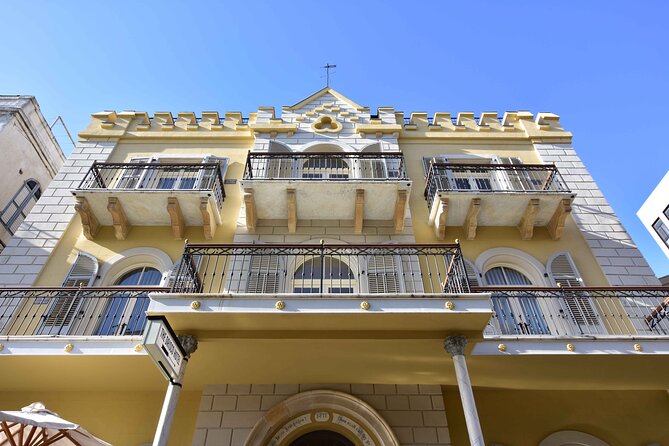
The Suzanne Dellal Centre for Dance and Theatre sits in the heart of Neve Tzedek. It is Israel’s leading presenter of Israeli and international contemporary dance, and the complex is surrounded by old orchards, alleyways, and the neighborhood’s restored buildings.
The stop lasts about 25 minutes. You will not see a dance performance as part of the tour, but you will get a look at an important cultural venue and hear how contemporary art fits into the older neighborhood around it.
I find this stop useful because it keeps the route from becoming only a history walk. Tel Aviv’s identity is also tied to theatre, dance, galleries, design, and nightlife. The centre gives your guide a natural opening to discuss current cultural life, especially if you want suggestions for an evening activity.
The timing is brief, so treat the Suzanne Dellal Centre as a focused introduction. If your main interest is performing arts, ask questions here and make a note of the venue for later.
Hatachana, where railway history meets the beach
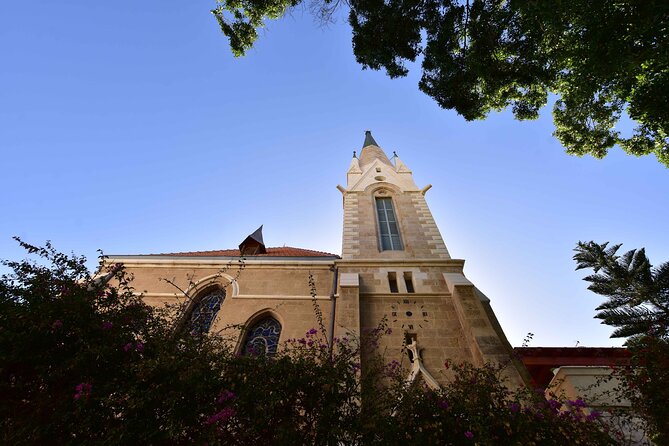
Hatachana is the former Jaffa railway station, once the terminus of the Jaffa to Jerusalem train line. The site’s 22 Ottoman-era buildings have been restored and converted into shops, galleries, restaurants, and public spaces.
The planned stop is about 20 minutes, and the tour ends here. That makes Hatachana both a historical sight and a practical place to continue your day. You can browse, eat, look at galleries, or walk toward the beach area nearby.
The short stop means you will get the essential story and a quick look around rather than a detailed inspection of every building. Still, ending here works well. The route begins among Sarona’s Templar buildings and finishes at an old railway complex connected with Jaffa and Jerusalem, giving the day a clear historical arc.
Because the tour ends at Park HaTachana on Kaufmann Street, you should not plan to return to the starting point with the guide. Hotel pickup and drop-off are not included, and transportation between attractions is also not included. The experience is built around walking.
Old Jaffa’s lanes, market, and artist quarter
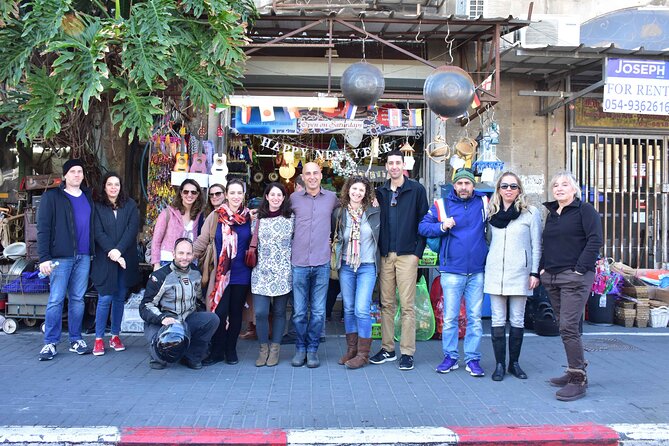
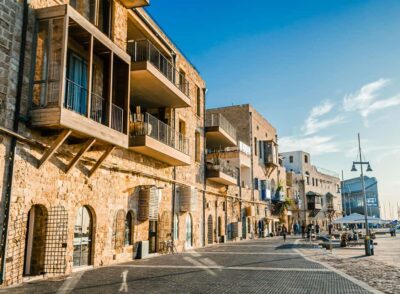
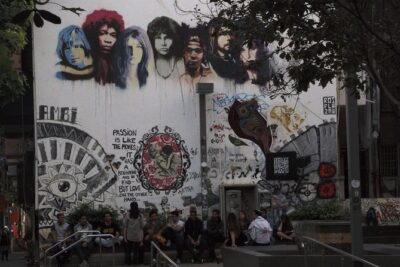
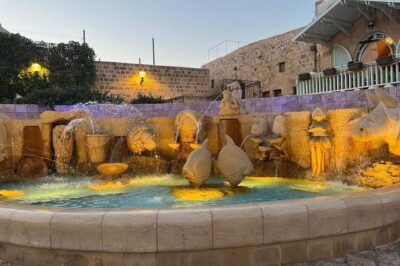
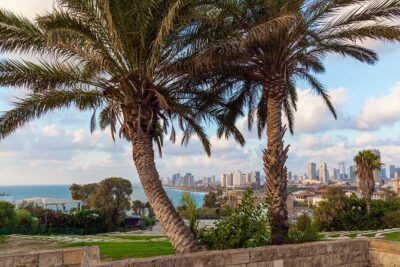
Old Jaffa is one of the most atmospheric sections of the walk. The route takes you through its alleys and streets, with time for the market and artist colony. The scheduled stop lasts around 45 minutes.
Jaffa gives the tour its oldest-feeling setting, though you should expect a general orientation rather than a full archaeological visit. The focus is on the character of the streets, the market, the art spaces, and the relationship between Jaffa and modern Tel Aviv.
The order of the route may place Jaffa near the end, depending on how the guide handles the day. Either way, this section provides a strong contrast with Sarona and Rothschild Boulevard. You move from restored urban districts and Bauhaus architecture into a much older port city setting.
The market and artist quarter are also useful places to gather ideas for later. If you want time to shop, eat, or browse galleries at length, plan to return after the formal tour rather than trying to fit everything into the 45-minute stop.
What the five-hour schedule really means
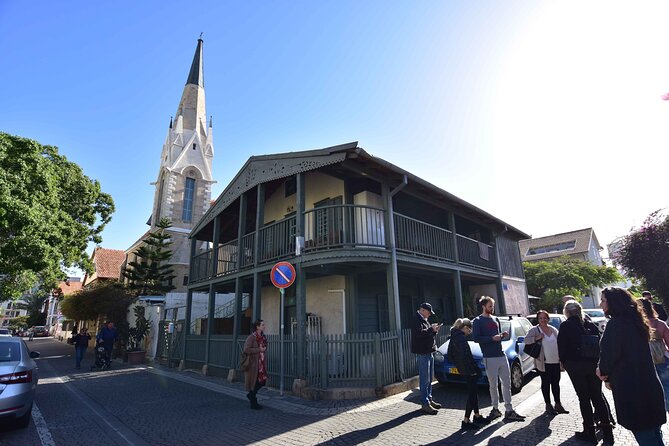
The experience is described as a full-day tour in some of its promotional language, but the stated duration is approximately five hours, beginning at 9:00 am. I would treat it as a half-day morning or early afternoon walk, not an all-day outing.
The listed stops add up to a little over three hours of scheduled sightseeing. The rest of the time allows for walking between districts, explanations from the guide, questions, and the natural pauses that come with a private tour. The exact rhythm may change depending on your interests.
Five hours is enough for a strong first look, but it is not a relaxed, in-depth visit to every neighborhood. You will see several districts from the outside and receive context for them. If you want extended shopping, a long lunch, or a detailed museum visit, you will need to continue on your own.
This is family-friendly and most people can participate, but it still requires good walking stamina. Children must be accompanied by an adult. Casual clothing is fine, and comfortable walking shoes are essential.
Private guiding, cost, and practical planning
The private format is the central reason to choose this experience. Only your group participates, so you are not tied to the questions or pace of strangers. You can ask for more architecture, more Israeli independence history, more food advice, or a stronger focus on art.
At $130 per person, the tour offers the most value for couples, families, or friends who want an efficient introduction with a guide’s full attention. It is less compelling if you are happy to read about the neighborhoods yourself or walk them independently.
The tour includes a professional licensed English-speaking Israeli guide. It does not include food, drinks, hotel pickup, hotel drop-off, or transportation to and from the sights. Start at the stated meeting point in Sarona and arrange your own way back from Hatachana.
Bring water and use sun protection as needed, since this is an outdoor walk. Have your passport details ready when booking, including each participant’s name, number, expiry date, and country. Confirmation is provided at booking, and the tour operates subject to good weather and a minimum number of participants. If poor weather or low enrollment cancels the experience, you are offered another date or a full refund. You can cancel for a full refund up to 24 hours before the start time.
Who should book this Tel Aviv walk?
I would recommend it to a first-time visitor who wants a broad introduction without spending the day on a bus. It suits people who care about architecture, city history, food suggestions, art, and the feel of ordinary streets.
It is also a good choice for families and small groups that want a private conversation rather than a fixed large-group script. Request Oded Yavin if possible, especially if you value clear explanations and recommendations for the rest of your stay.
I would think twice if you dislike long walks, want substantial free time at each stop, or need a low-cost introduction. The tour gives you range rather than depth, and the price depends heavily on how much you value a private guide.
Should you book it?
Book this tour if you want to connect Tel Aviv’s major districts in one morning and prefer to learn through streets, buildings, and conversation. The route is especially useful at the start of a stay, when advice about restaurants, galleries, performances, and neighborhoods can shape the days that follow.
Choose it with realistic expectations. You will not get hotel transport, meals, or long visits inside attractions. You will get a private English-speaking guide, a thoughtful route from Sarona to Jaffa, and a practical overview of the city’s past and present. For a small group that wants orientation with personal attention, that is a fair use of five hours and the $130 price.
FAQ
How long does the Tel Aviv walking tour last?
The tour lasts approximately five hours and begins at 9:00 am.
Where does the tour start?
The meeting point is Eliezer Kaplan Street 26 in Tel Aviv-Yafo, near Sarona.
Where does the tour end?
The tour ends at Park HaTachana on Kaufmann Street, at the former Jaffa railway station, now known as Hatachana Complex.
Is this a private tour?
Yes. Only your group participates, with a professional licensed English-speaking Israeli guide.
Are food, drinks, or transportation included?
No. Food, drinks, hotel pickup, hotel drop-off, and transportation to or from the attractions are not included.
What happens if the weather is poor?
The experience requires good weather. If it is canceled because of poor weather, you will be offered another date or a full refund.
Just added in Tel Aviv
- private Full-day Tour to Jericho + the Dead Sea★ 5.0 · 3 reviews
- VIP Tel Aviv airport Terminal 3 Fast Track Skip Line From plane★ 4.5 · 9 reviews
- Package VIP Skip Line Services in BGN Airport with Transfer to Tel aviv Hotels★ 5.0 · 3 reviews
- Private wine tour of Northern Israel★ 5.0 · 4 reviews
- Israel Holy Land Christian Tour Package 7 days – Private Tour Package★ 5.0 · 31 reviews
- Jerusalem and Dead Sea Trip from Tel Aviv★ 4.0 · 6 reviews
- Haifa Acre and Rosh Ha-Nikra Private Tour from Tel Aviv★ 5.0 · 5 reviews
- Tel Aviv & Old City of Jaffa – Tiny group from Tel Aviv★ 4.5 · 9 reviews
Jaffa & Old Port Tours, compared.


Jaffa: Old City, Port & Shuk Hapishpishim Walking Tour
Read our review →
Browse the lists this tour appears in