
Reviewed · NEGEV & RAMON CRATER TOURS
Stargazing Mitzpe Ramon
At the Ramon Crater, darkness does most of the work. Far from city lights, you can lie on a mat beneath a broad desert sky while robotic telescopes bring planets, star clusters, nebulae, double stars, and galaxies into view. The guide adds the human part: science, myths, history, and a little help finding your way around the heavens.
I like the private setup for groups of up to eight, and I like the comfort of mattresses, tea, coffee, snacks, and a fire instead of a stiff lecture beside a parked vehicle. Guides named Nadav, Moshe, and Uri have been praised for their warmth and clear explanations. The main drawback is practical: you must arrange your own way to Makhtesh Ramon, and the exact meeting location and start time arrive only on the morning of the activity.
Key points at a glance
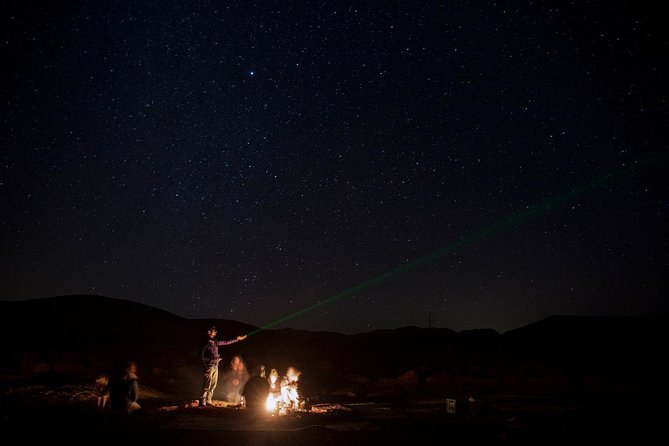
- A truly dark desert setting: The activity takes place at an intimate location near Makhtesh Ramon, away from ordinary city light.
- Robotic telescopes: The equipment is used for both nearby sights, such as the Moon and planets, and distant galaxies and nebulae.
- A private group format: Your group alone participates, with a maximum of eight people.
- Comfort under the stars: Mats and mattresses let you lie back, while a fire, tea, coffee, and snacks make the desert evening easier to enjoy.
- More than a telescope viewing: The guide covers constellations, zodiac signs, asterisms, astronomy history, myths, and the science of the solar system.
- Weather matters: Poor conditions can lead to a new date or a full refund, and free cancellation is available up to 24 hours before the start.
Why the Ramon Crater is the right place for stargazing
This experience is built around darkness. That sounds obvious, but it is the difference between seeing a few bright stars and seeing the sky as a broad, crowded field of light. In the Ramon Crater area, the remote desert setting gives the guide a much better stage for showing you the Milky Way, planets, and fainter objects.
You meet at Makhtesh Ramon, the crater area named in the meeting details. The wider location is identified as Sde Boker, so read the morning instructions carefully and allow enough time to reach the exact point. You do not simply walk into a visitor center and join a fixed indoor presentation. Your guide waits out in the desert with the equipment already prepared.
That remote setting is part of the appeal, but it also creates the main logistical concern. Hotel pickup and transportation are not included. You need to make your own way to the meeting point, and the precise arrival location is sent on the morning of the activity. For a desert evening, a phone with the message saved and a careful check of the directions are wise steps.
A few more things to do in Israel worth a look
- From Eilat: Timna Park Guided Jeep Tour
★ 4.7 · 68 reviews - Rappelling Down the Ramon Crater Cliff
★ 5.0 · 47 reviews - Two hour guided jeep tour in to and around the Ramon crater
★ 5.0 · 45 reviews
The first minutes: arriving at a ready-made desert camp
When you arrive, the guide has more than a telescope waiting. The setup includes a mat and mattresses, so you can look upward without standing for the full session. A fire, hot tea or coffee, and snacks add a simple camp feeling to the evening.
That comfort matters. Stargazing involves waiting, adjusting your eyes, and looking upward for long stretches. Sitting or lying down makes it easier to stay focused, especially during the explanations about faint objects that may not appear instantly in the eyepiece.
The desert can be cold at night, even after a warm day. One account specifically points out the chill, so bring warm clothing rather than assuming the fire will do all the work. The supplied information does not list a clothing service or blankets, so plan to dress for an outdoor night.
The experience lasts about one hour and 45 minutes, with the general description allowing roughly 1.5 to 2 hours. That is long enough for a proper introduction and several telescope targets without turning the evening into an all-night astronomy course.
Learning the sky before looking through the telescope
A good guide does not begin by handing you an eyepiece and naming a planet. The activity starts with the sky as a map. You get an introduction to constellations, zodiac signs, and asterisms, which are recognizable star patterns that may not be official constellations.
This part gives the telescope viewing some order. Instead of seeing unrelated points of light, you begin to understand how people have divided the sky and used its patterns. The guide also discusses myths and legends, connecting the modern night sky with older stories and ways of explaining what people saw overhead.
The history of astronomy adds another useful layer. You hear how people have tried to make sense of the heavens, then move toward the scientific picture of our solar system and the wider universe. The result should suit both a curious beginner and someone who already knows a few constellations.
The guides praised in the supplied material include Nadav, Moshe, and Uri, also referred to as Ori in one account. Their descriptions emphasize warmth, clear speaking, and strong command of the subject. Since guide availability can change, do not assume you will receive a particular person unless that is confirmed when booking.
What the robotic telescopes add
The telescopes are the technical heart of the activity. Robotic equipment can help locate and track targets accurately, which is especially useful when the guide moves between several objects during a short evening.
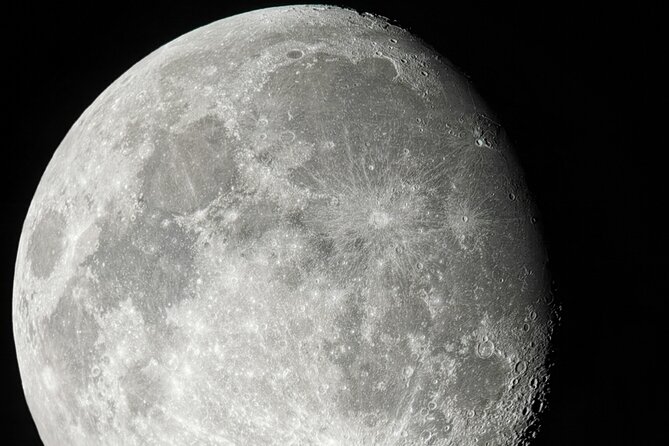
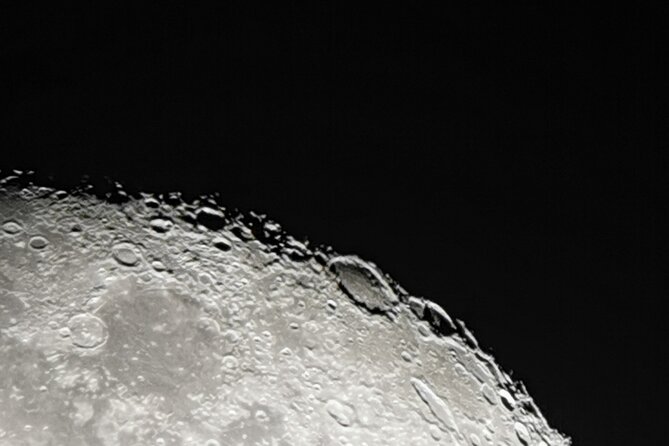
The first targets may include the Moon and planets in our own solar system. These are familiar names, but a telescope can give them a different presence. The exact objects visible depend on the date, time, and current sky conditions, so no fixed planet list is promised.
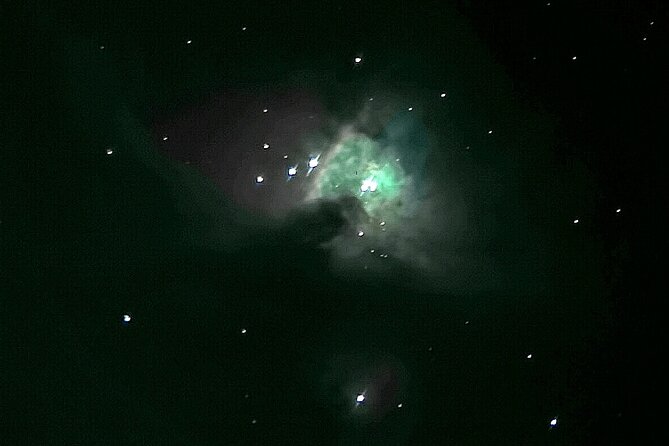
The session then reaches farther out. You may look at star clusters, nebulae, double stars, and galaxies, all named in the activity details. These objects show why a dark location matters. Some are faint and require careful observation, while others reveal structure or color that is difficult to appreciate with the naked eye.
For an extended activity, extra telescopes may be available. The wording does not specify the extra cost or exact length of that option, so ask before committing if a longer session is important to you. The standard booking is already private and includes access to the main setup.
Same base, a different sort of day:
- From Tel Aviv: Masada & Dead Sea Full Day Tour with Pick Up
★ 4.5 · 1,496 reviews - From Tel Aviv: Jerusalem and Bethlehem Guided Day Trip
★ 4.3 · 1,316 reviews - Masada and the Dead Sea Day Trip from Tel Aviv
★ 4.5 · 1,014 reviews - Tel Aviv: Jerusalem, Bethlehem & Dead Sea
★ 4.0 · 881 reviews
Fire, tea, and the small details that shape the evening
The refreshments are modest, but they fit the setting. Tea, coffee, and snacks give you something warm while the guide changes equipment or explains the next target. The fire also creates a comfortable center for the group, though you should still dress for cold desert air.
This is not a polished observatory visit with a permanent building, fixed seats, and a display room. You are outdoors, in a remote location, with the sky as the main attraction. That gives the evening a stronger sense of place, but it also means that comfort depends partly on your preparation.
The mats and mattresses are an important touch. You can lie back and watch the sky without craning your neck, then sit up for the telescope or discussion. For families, couples, and small groups of friends, the arrangement feels more personal than a large public stargazing program.
Because this is a private activity, your group can ask questions without worrying about a crowd. A beginner can ask for basic explanations, while someone more experienced can spend time on the telescope targets or the science behind them. The private format is one of the clearest reasons to consider the price.
Is $460 a fair price for up to eight people?
The price is $460 per group of up to eight, not per person. For a full group, that works out to $57.50 per person. For four people, it becomes $115 each, and for two people, the cost is $230 each.
That makes group size central to the value. A family or group of friends that can fill most of the eight places receives a much better per-person price. A couple booking alone pays a premium for privacy, a prepared desert setup, the guide, and the equipment.
You are paying for more than a telescope rental. The package includes a local guide, a professional guide, the private format, robotic telescopes, mats and mattresses, hot drinks, snacks, and a fire. Transportation is not included, so add your own driving or transfer costs when comparing it with other evening activities.
I would consider it good value for a group that specifically wants an intimate astronomy session rather than a quick look through a public telescope. It is less compelling if you only want to see the Moon and do not care about the astronomy stories, constellations, or distant objects.
Who will enjoy this most
This activity fits people who enjoy a slower evening and do not mind being outside after dark. You do not need advanced astronomy knowledge. The program is designed to explain basic sky patterns, then build toward planets and objects beyond our solar system.
It should work well for:
- Small groups that want a private evening together
- Couples looking for a quiet desert activity
- Families with children who can manage a late outdoor session
- Amateur astronomy fans who want a dark location and better equipment
- Visitors already staying near Sde Boker or the Ramon Crater
Most people can participate, and service animals are allowed. The supplied details do not give a minimum age, child policy, or specific accessibility information for the desert terrain, so ask the operator if those points matter to your group.
This is not the best match for anyone who needs hotel pickup, a heated indoor venue, or a guaranteed list of planets. It is also a poor fit for a night when you want a tightly timed schedule, since the exact meeting instructions arrive on the morning of the activity and the weather can affect the plan.
Weather, timing, and the cancellation rules
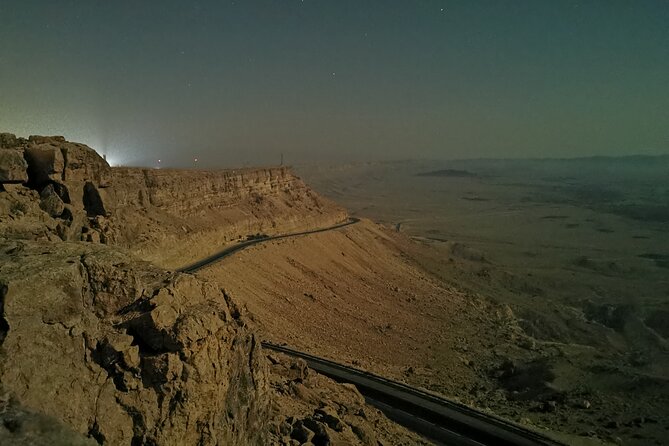
Clear skies are essential. If poor weather forces a cancellation, you can choose another date or receive a full refund. That policy is useful for an activity whose main feature cannot be replaced indoors.
You can cancel for a full refund up to 24 hours before the start time. Changes or cancellations made inside that 24-hour window are not accepted for a refund. The cut-off follows local time, so check the timing carefully if you are booking from another country.
The activity is booked an average of 43 days ahead, which suggests that advance planning is sensible, especially if your desert stay is short. Confirmation arrives within 48 hours, subject to availability. Since the exact location and hour are sent on the same morning, keep your schedule flexible enough to follow the final instructions.
How this compares with a quick night-sky stop
A roadside stop can show you a sky full of stars, but it usually lacks a guide, a telescope, and a clear plan. You may see the Milky Way and enjoy the silence, yet you may not know which stars form a constellation or how to find a galaxy.
This experience gives the evening a structure. You begin with orientation, move through stories and science, then use the telescopes to examine selected objects. The fire and refreshments keep it social, while the private booking prevents the session from feeling like a crowded demonstration.
The trade-off is cost and commitment. You need to reach the meeting point yourself, reserve nearly two hours, and accept that visibility depends on weather. If you already have a telescope and know the sky well, the guide and location may be more valuable to you than the equipment. If you are new to astronomy, the explanation is likely the main reason to book.
Practical advice before you book
Read the morning message as soon as it arrives. It contains the exact location and scheduled hour, and the meeting point is not described as a regular hotel or transport stop.
Wear warm layers and comfortable outdoor clothing. The desert may feel cold after sunset, and the fire is a pleasant feature rather than a substitute for proper clothing.
If you are sharing the cost, confirm the number of people before booking. The $460 price covers up to eight, so the value improves greatly when you fill the group.
Ask about the extended activity if you want more telescope time. Extra telescopes may be available, but the supplied information does not state the price or exact added duration.
Finally, keep expectations tied to astronomy rather than a guaranteed checklist. The Moon, planets, clusters, nebulae, double stars, and galaxies are all possible subjects, but what you see depends on the night.
Should you book Stargazing Mitzpe Ramon?
Book it if you want a private desert night with real explanation, good equipment, and time to look upward from a comfortable mat. The combination of dark skies, robotic telescopes, fire, hot drinks, and a small group gives the evening more character than a basic stargazing stop.
I would especially recommend it to a group of four to eight people already arranging its own transport near Sde Boker or Makhtesh Ramon. The price makes more sense when shared, and the private format lets the guide adjust the conversation to your interests.
Think twice if transportation is a problem, if you dislike cold outdoor evenings, or if your schedule cannot handle a same-day location and time confirmation. For everyone else, this is a focused, memorable way to connect the desert night with both the science and the stories of the sky.
FAQ
Where does the stargazing activity begin?
The activity begins at Makhtesh Ramon, in the Sde Boker area of Israel. The exact location is sent on the morning of the experience.
Where does the activity end?
It ends back at the meeting point at Makhtesh Ramon.
How long does the experience last?
The planned duration is approximately 1 hour and 45 minutes. The general description gives an estimated range of about 1.5 to 2 hours.
How many people can join?
This is a private activity for your group, with up to eight people included in the $460 group price.
Is transportation included?
No. Hotel pickup and transportation to and from the attraction are not included.
What can I see through the telescopes?
The session may include the Moon, planets, star clusters, nebulae, double stars, and galaxies. The exact objects depend on the sky conditions and timing.
What happens if the weather is poor?
If poor weather causes a cancellation, you can receive a full refund or choose another date.
Can I cancel for a full refund?
Yes. You can cancel at least 24 hours before the local start time for a full refund. Cancellations or changes made less than 24 hours before the start are not accepted for a refund.
Just added in Israel
- A Day of Spiritual Discovery in the Upper Galilee★ 5.0 · 7 reviews
- Tour The Mystical City Of Safed★ 5.0 · 11 reviews
- Galilean Cooking Workshop 2-4 particpants★ 5.0 · 27 reviews
- Kabbalah Heritage Walk★ 5.0 · 23 reviews
- Sea of Galilee – Off the Beaten Track★ 5.0 · 3 reviews
- private Full-day Tour to Jericho + the Dead Sea★ 5.0 · 3 reviews
- Druze Culinary Tour of the Western Galilee★ 5.0 · 6 reviews
- VIP Tel Aviv airport Terminal 3 Fast Track Skip Line From plane★ 4.5 · 9 reviews
Negev & Ramon Crater Tours, compared.
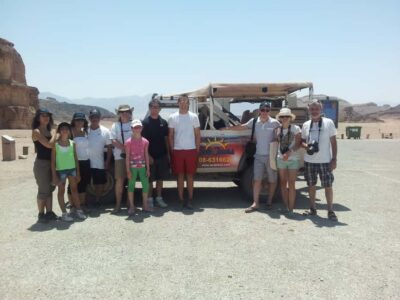
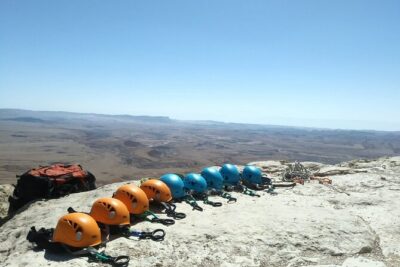
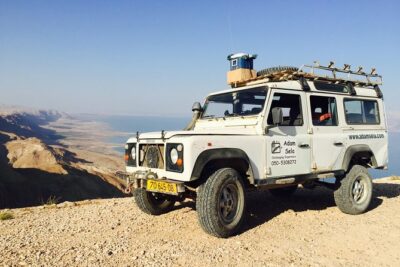
Two hour guided jeep tour in to and around the Ramon crater
Read our review →
The Ramon Crater and rappelling package tour – an exciting combo tour.
Read our review →
Browse the lists this tour appears in