
Reviewed · DEAD SEA TOURS
Jerusalem, Bethlehem & Dead Sea
Jerusalem, Bethlehem, and the Dead Sea make an ambitious day. You move from the narrow lanes of the Old City to major Christian sites, then into the West Bank and down to the lowest point on earth. The pace is brisk, but the payoff is a wide look at this complicated corner of the world.
I like the way this tour joins three very different places in one outing, and I like the guide-led walk through Jerusalem, where the Western Wall, Via Dolorosa, Dome of the Rock, markets, and churches are close together but never feel like the same experience. The main drawback is time: about 12 hours is a long day, and some stops receive only 25 to 45 minutes.
- Jerusalem in one concentrated walk: See the Christian, Muslim, and Jewish quarters, plus the Western Wall and Via Dolorosa.
- Bethlehem route may change: When Bethlehem is closed, the tour uses Qasr al-Yahud, an official baptism site in the Jordan River Valley.
- A practical Dead Sea finish: You get about two hours for the mineral-rich water, with the private beach costing 35 NIS.
- Shared transport keeps the price down: The $99 fare includes an air-conditioned vehicle, onboard WiFi, and a guide.
- Large-group possibility: The vehicle can hold up to 55 people, so expect a group outing rather than a quiet private tour.
- Flexible starting points: Departures are available from central meeting points in Tel Aviv or Jerusalem.
Why This Full-Day Route Works
This outing is designed for you if you want the broadest possible introduction to the region in a single day. Jerusalem supplies the religious and political weight, Bethlehem adds Christian pilgrimage sites and Palestinian context, and the Dead Sea provides a change of pace.
At $99 per person, the value comes mainly from the transport and the number of major places covered. You are not paying for a slow, detailed visit to one site. You are paying for a long day of connections that would be awkward to arrange on your own, especially when the route crosses between Jerusalem, Bethlehem or Qasr al-Yahud, and the Dead Sea.
The price does not include food, drinks, personal travel insurance, or the 35 NIS entrance fee for the private Dead Sea beach. Plan for that extra charge. Since the day is long, carrying water and a simple snack is sensible, even though the tour does not provide either.
The tour runs from central meeting points in Tel Aviv or Jerusalem. That flexibility is useful if you are staying in either city, but you should pay close attention to the exact meeting details when booking. The experience is shared, with a maximum group size of 55, so the day may feel more like a coordinated excursion than a personal guide service.
Entering Jerusalem Through Jaffa Gate
Jaffa Gate is one of the seven open gates in Jerusalem’s Old City and the main tourist entrance for this route. It is a useful place to begin because it puts you straight into the walled city rather than spending the morning on a distant approach.
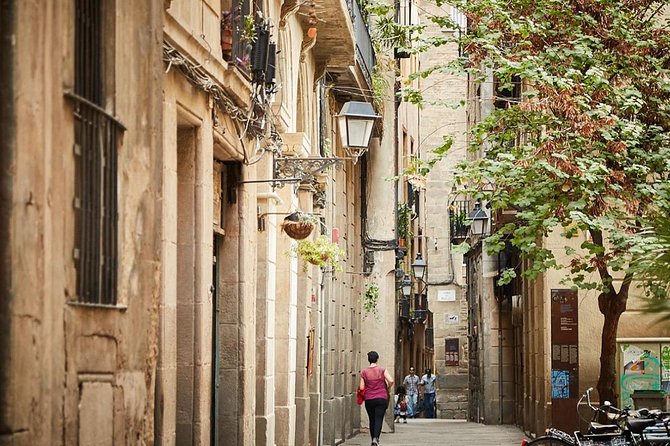
Once inside, the streets quickly narrow. Shops, religious buildings, and old stone passages crowd around you. The guide’s role matters here. Jerusalem can feel like a puzzle of lanes and competing sacred claims, while a good explanation helps you understand which quarter you are entering and why each place matters.
The first portion of the day is not a museum-style tour with long indoor visits. It is a walking route through active neighborhoods. Wear shoes that can handle uneven paving, and expect the group to stop often while the guide explains the setting.
Other West Bank days out of Tel Aviv:
- From Tel Aviv: Jerusalem and Bethlehem Guided Day Trip
★ 4.3 · 1,316 reviews - Tel Aviv: Jerusalem, Bethlehem & Dead Sea
★ 4.0 · 881 reviews - Day Tour to Jerusalem and Bethlehem from Tel Aviv
★ 4.5 · 720 reviews
The Christian Quarter and Church of the Holy Sepulcher
The Christian Quarter receives about 45 minutes. It is one of the main centers of Christianity in Jerusalem, with churches that have served pilgrims for centuries.
The most important sight here is the Church of the Holy Sepulcher. Its significance comes from the Christian belief that the church contains the sites of Jesus’s crucifixion and burial. Different Christian communities share responsibility for the building, which helps explain why the interior can feel layered, crowded, and unlike a single-denomination church.
Your time here may be enough for an overview and an explanation of the main areas, but it may not allow for a calm, complete visit. Sacred sites can also operate on their own schedules. If entering a particular chapel matters greatly to you, ask the guide how much time is available before you leave the quarter.
This is one of the tour’s strongest sections because it places Christian pilgrimage in its working setting. You are not only seeing a famous church. You are walking through a neighborhood where worship, trade, and daily life share the same tight streets.
The Muslim Quarter, Markets, and Temple Mount
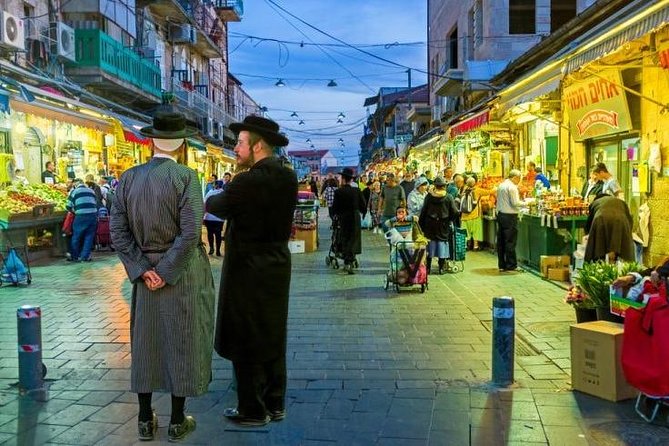
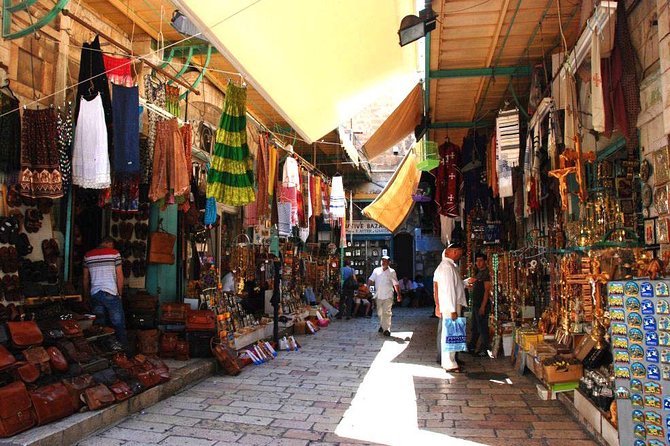
The Muslim Quarter receives about an hour and includes several major sights and markets. The route lists the Temple Mount, Al-Aqsa Mosque, the Dome of the Rock, St. Anne’s Church, Damascus Gate, and three markets: the Butchers’ Market, Perfume Market, and Goldsmiths’ Market.
That list tells you something important about the day. You will see and discuss a broad collection of places, but you may not enter every building or spend equal time at each one. Access rules and religious schedules can affect what you can view.
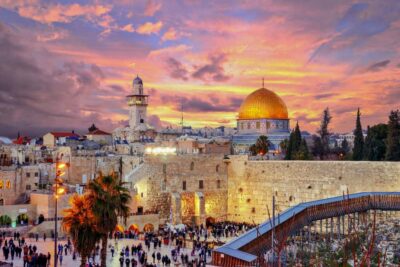
The Dome of the Rock is among Jerusalem’s most recognizable buildings, with its golden dome and important place in Islamic tradition. Al-Aqsa Mosque is also a major Islamic site. The Temple Mount carries significance for Muslims, Jews, and Christians, so this is an area where a guide can provide needed context without reducing the subject to a quick photo stop.
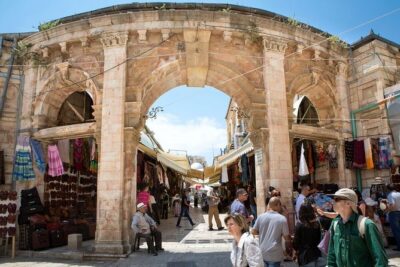
The markets give the walk a more ordinary human scale. Butchers, perfumers, and goldsmiths have long occupied distinct trading areas, and the route lets you see how the Old City functions beyond its monuments. St. Anne’s Church and Damascus Gate add further layers to a short section of the walk.
Because this part of Jerusalem involves several sensitive sites, follow the guide’s instructions about where the group can go and how long you can stop. Modest clothing is the sensible choice for a route that passes major religious buildings.
Walking the Via Dolorosa
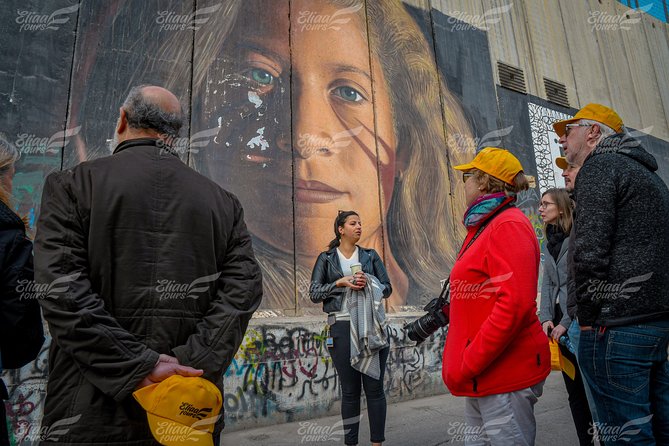
The Via Dolorosa receives about 25 minutes. This narrow route is known as the Way of Sorrows, the path associated with Jesus’s journey toward crucifixion.
The route is also a marketplace street. That contrast is part of its character. Religious processions pass through the same tight corridor where traders and shoppers conduct daily business. On Friday afternoons, hundreds of Christians join a procession through the Old City and stop at the 14 Stations of the Cross.
A 25-minute visit cannot recreate the full pilgrimage experience, but it can show you how the route works in the city. You will likely get the basic story, see the street itself, and understand why the Via Dolorosa feels both sacred and practical.
If you are hoping to follow all 14 stations slowly, this tour will feel too short. If you want a guided introduction during a day that also includes the Dead Sea, the timing is reasonable.
Other Dead Sea days people book from Tel Aviv:
- From Tel Aviv: Masada & Dead Sea Full Day Tour with Pick Up
★ 4.5 · 1,496 reviews - Masada and the Dead Sea Day Trip from Tel Aviv
★ 4.5 · 1,014 reviews - From Tel Aviv: Masada, Ein Gedi & Dead Sea Tour
★ 4.2 · 705 reviews - Jerusalem and the Dead Sea from Tel Aviv
★ 4.5 · 444 reviews
The Jewish Quarter and Western Wall
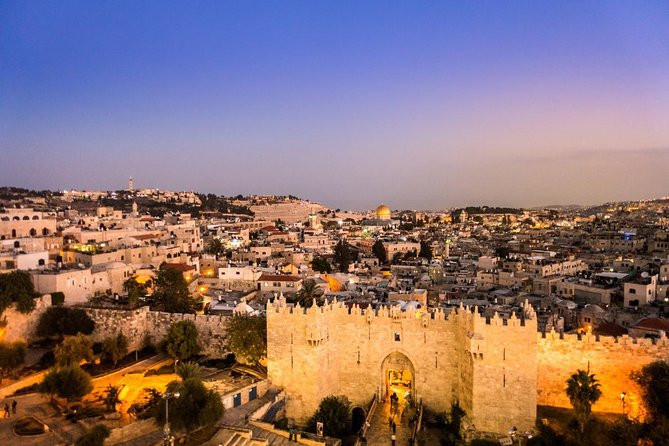
The Jewish Quarter receives about 30 minutes and includes the Western Wall and the Tower of David Museum area.
The Western Wall is one of Judaism’s most important places of prayer. The visible wall is part of the retaining structure around the ancient Temple Mount, and the plaza below is divided into prayer areas. Your guide can help you understand what you are seeing and where the group should stand.
Thirty minutes gives you time to observe the plaza and hear the basic explanation, but not much more. The Tower of David Museum is listed as part of this section, though the exact extent of any museum visit should be confirmed before departure. The route is better suited to an overview than to a full museum exploration.
The three quarters together are the heart of the Jerusalem portion. You see how Christian, Muslim, and Jewish sites sit within a compact Old City, often only minutes apart. That physical closeness is one reason a guided walk is useful.
Bethlehem, Olive Wood, and Banksy Art
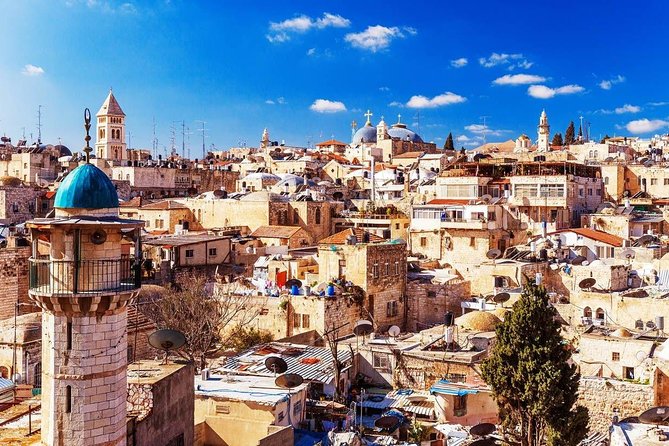
The Bethlehem portion needs special attention because the route can change. The stated arrangement notes that Bethlehem is closed during the coronavirus period, with the tour using Qasr al-Yahud instead. If Bethlehem is operating on your date, the planned sights include the Church of the Nativity, Manger Square, an olive wood factory, and Banksy-related art on the Wall of Bethlehem.
The Church of the Nativity includes the Door of Humility, the Grotto of the Nativity, and the Chapel of the Manger. The Door of Humility is famously low, and the interior is tied to the Christian belief that Bethlehem is the birthplace of Jesus.
Do not assume you will enter the grotto. The wait can approach an hour, and the group may choose an overview rather than spend most of the day in line. This is a crucial tradeoff. You get more of the region by keeping the schedule moving, but you may miss a close visit to one of Christianity’s most important sites.
The olive wood factory adds a look at local craft production, while Manger Square gives you a sense of Bethlehem beyond one church. The Banksy art on the separation wall brings a modern political voice into a day otherwise focused on ancient and religious places.
Because Bethlehem is in the West Bank, the route also gives you a different political and geographic setting from the Jerusalem morning. The tour presents that shift as part of the day, though the short stop cannot cover every side of the subject.
Qasr al-Yahud When Bethlehem Is Closed
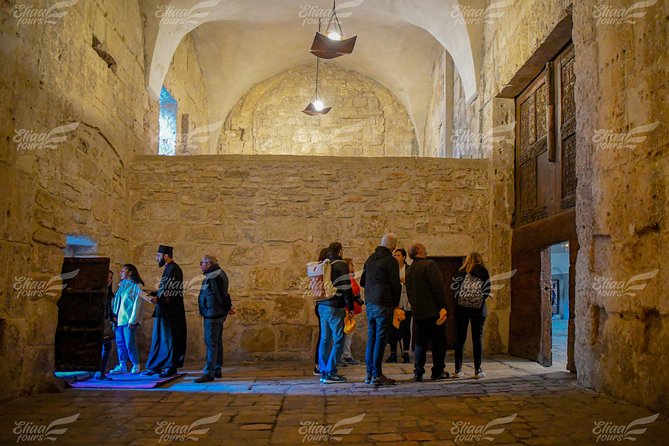
When Bethlehem is unavailable, the replacement is Qasr al-Yahud, the official name for a baptism site in the Jordan River Valley in the West Bank.
This is not a substitute in the sense of offering the same sights. You will not see the Church of the Nativity, Manger Square, or the olive wood factory on that version of the route. Instead, you visit a site connected with baptism on the Jordan River and then continue toward the Dead Sea.
Check the current route before you book if Bethlehem is a top priority. The difference changes the religious focus of the middle part of the day. Bethlehem is centered on the Nativity and Christian pilgrimage, while Qasr al-Yahud centers on baptism and the Jordan River Valley.
The Dead Sea’s Two-Hour Finish
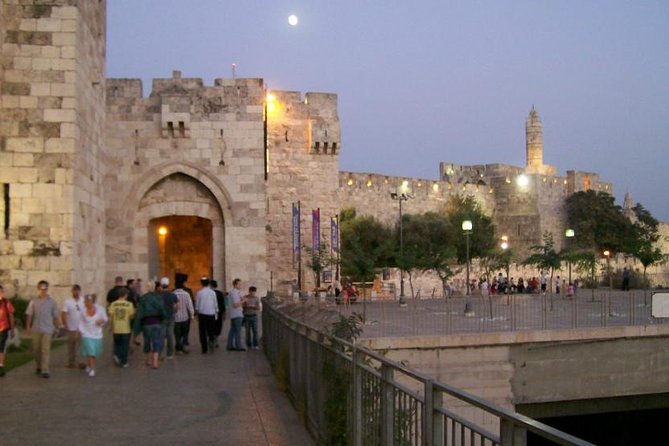
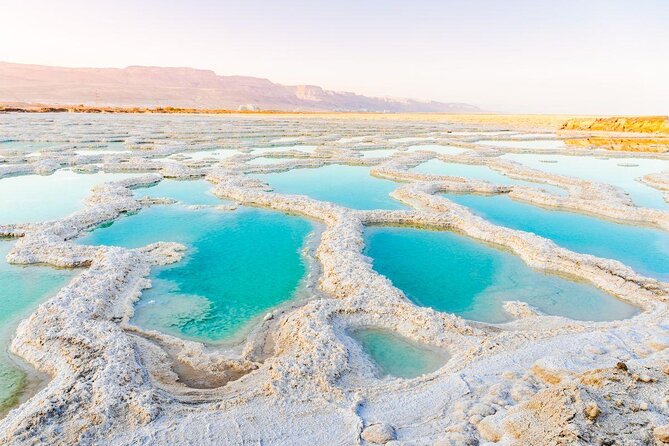
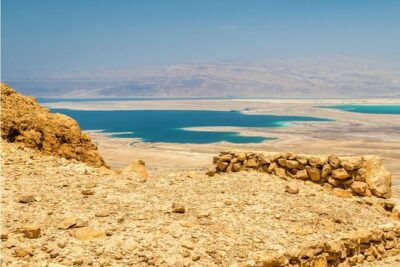
After the religious sites, the tour heads to the Dead Sea. The route includes a stop at the sea level viewpoint for a broad panorama before continuing to a beach.
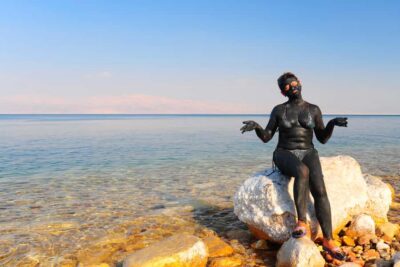
You get about two hours for relaxation and time in the mineral-rich water. This is a welcome change after the walking and short stops in Jerusalem. You can float, sit by the water, and let the pace of the day slow down.
The private beach entrance is not included and costs 35 NIS. Food and drinks are also extra. Bring suitable swimwear, a towel if one is not supplied, and protection for the strong sun. Avoid getting the water in your eyes, and do not treat the Dead Sea like an ordinary swimming beach. The water is famous for buoyancy, but the high salt content calls for care.
The sea is at the lowest point on earth, making the viewpoint a useful part of the stop rather than a mere photo break. You see the unusual setting before heading down to the shore.
Two hours is enough to make the Dead Sea more than a rushed roadside stop. Still, the beach charge changes the true cost of the tour, so include it in your budget.
Transport, Group Size, and the Pace
The air-conditioned vehicle matters on a day with long road sections and warm weather. WiFi onboard is included, which can help during the long transfers, though you should not depend on it for every moment of the route.
A maximum of 55 people is a significant detail. With a full group, boarding can take longer, walking stops may need firm meeting times, and individual questions may be limited. The shared format helps keep the price at $99, but it is not the right setup if you want to linger at every sacred site.
The schedule also demands stamina. Jerusalem alone includes several walking sections, and the Dead Sea comes only after the morning’s sightseeing and road travel. I would choose this tour for a first visit, a short stay, or a day when you want coverage rather than depth.
The experience is generally suitable for most people according to the supplied participation information, but the uneven Old City streets and long day are still worth considering for your own comfort.
Who Should Book This Tour
Book it if you want to connect the major names quickly: Jaffa Gate, the Christian Quarter, Via Dolorosa, the Western Wall, Bethlehem or Qasr al-Yahud, and the Dead Sea. It is also a sensible choice if you prefer having transport and a guide handle a complex cross-border day.
You will get the most from it if you treat the Jerusalem stops as a guided introduction rather than a set of long private visits. Ask questions during the walking sections, stay close to the group, and decide in advance whether the Dead Sea swim or the religious sites matter more to you.
You may want another format if you need a quiet visit to the Church of the Holy Sepulcher, a long wait at the Grotto of the Nativity, or a detailed museum tour. The group size and tight schedule make those priorities difficult.
The tour has a 4.2 rating from five submitted ratings, and the clearest praise centers on the guides and the overall experience. One Spanish-language response specifically praised the guides and fellow participants, with the provider replying by addressing Aurora directly. No guide names are provided, so you cannot choose a particular guide in advance.
Free cancellation is available up to 24 hours before the start time. Changes or cancellations inside that window are not refunded, and poor weather or too few bookings can lead to a new date or a full refund.
Final Verdict: A Big Day With Real Range
I would book this at $99 if I had limited time and wanted one organized day covering Jerusalem, the West Bank, and the Dead Sea. The combination is the main attraction. You get sacred places, working markets, modern political art, and a chance to float in mineral-rich water before the day ends.
Go in knowing the limits. This is a shared tour with up to 55 people, the schedule is tight, the private beach costs extra, and Bethlehem may be replaced by Qasr al-Yahud. If those conditions suit your priorities, it offers a practical and memorable overview. If you want slow, detailed visits, choose separate days instead.
FAQ
How long does the tour last?
The tour lasts approximately 12 hours.
Where does the tour depart from?
Departures are available from central meeting points in Tel Aviv or Jerusalem.
What places are included?
The route includes Jerusalem, Bethlehem or Qasr al-Yahud when Bethlehem is closed, and the Dead Sea.
Is Bethlehem always part of the tour?
No. The supplied details state that Bethlehem is closed during the coronavirus period, in which case the tour visits Qasr al-Yahud instead.
What can I see in Jerusalem?
The route includes Jaffa Gate, the Christian Quarter, the Muslim Quarter, the Via Dolorosa, the Jewish Quarter, the Western Wall, the Dome of the Rock, Al-Aqsa Mosque, several markets, Damascus Gate, St. Anne’s Church, and the Tower of David Museum area.
Can I enter the Grotto of the Nativity?
Entry is not guaranteed. Waiting to enter can take almost one hour, so the group may make an overview instead.
How much time is provided at the Dead Sea?
You receive approximately two hours at the Dead Sea, after a stop at the sea level viewpoint.
Is the Dead Sea beach entrance included?
No. Entrance to the private beach costs 35 NIS.
What is included in the price?
The price includes an air-conditioned vehicle, WiFi onboard, and an expert tour guide.
How many people can join the tour?
The maximum group size is 55 people.
Other ways to reach the Dead Sea from Tel Aviv
- From Tel Aviv: Jerusalem Old City & Dead Sea Guided Day Tour
★ 4.4 · 389 reviews - Masada, Ein Gedi, and The Dead Sea from Tel Aviv
★ 4.0 · 285 reviews - From Tel Aviv: Masada Sunrise, Ein Gedi and Dead Sea Tour
★ 4.3 · 192 reviews - Day Trip: Masada Sunrise, Ein Gedi, and Dead Sea from Tel Aviv
★ 4.0 · 116 reviews
More West Bank days out of Tel Aviv
- Jerusalem, Dead Sea, and Bethlehem from Tel Aviv
★ 4.0 · 299 reviews - From Tel Aviv: West Bank Day Tour
★ 4.6 · 141 reviews - Bethlehem, Jericho, and Qasr El Yahud Day Trip from Tel Aviv
★ 4.5 · 99 reviews - Bethlehem, Jericho & Jordan River Tour from Tel Aviv
★ 3.5 · 57 reviews
Just added in Tel Aviv
- private Full-day Tour to Jericho + the Dead Sea★ 5.0 · 3 reviews
- VIP Tel Aviv airport Terminal 3 Fast Track Skip Line From plane★ 4.5 · 9 reviews
- Package VIP Skip Line Services in BGN Airport with Transfer to Tel aviv Hotels★ 5.0 · 3 reviews
- Private wine tour of Northern Israel★ 5.0 · 4 reviews
- Haifa Acre and Rosh Ha-Nikra Private Tour from Tel Aviv★ 5.0 · 5 reviews
- Israel Holy Land Christian Tour Package 7 days – Private Tour Package★ 5.0 · 31 reviews
- Jerusalem and Dead Sea Trip from Tel Aviv★ 4.0 · 6 reviews
- Tel Aviv & Old City of Jaffa – Tiny group from Tel Aviv★ 4.5 · 9 reviews
Dead Sea Tours, compared.
Masada & Dead Sea Full Day Tour with Pick Up
Read our review →
Masada and the Dead Sea Day Trip from Tel Aviv
Read our review →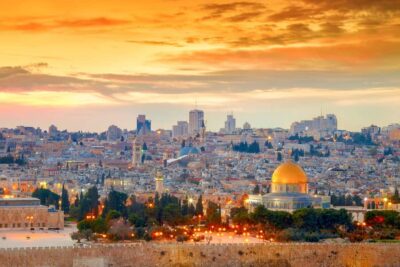
Masada and the Dead Sea Day Trip from Jerusalem
Read our review →
Browse the lists this tour appears in