
Reviewed · TOURS IN TEL AVIV
From Tel Aviv: Magdala, Mount of Beatitudes, and Cana Tour
Magdala gives this day its strongest start: you walk through a first-century fishing village and a synagogue used during Jesus’s lifetime, then connect that place with Mary Magdalene. I like the archaeological detail here, especially the coin dated to 29 AD, and I like that the day mixes ruins with sweeping Sea of Galilee views rather than filling every hour with churches.
I also like the practical value. For $105, your transport from Tel Aviv, guide, and entry fees are included, and the route covers several important Galilee sites in one long day. The main drawback is the length: ten hours on the road means limited time at each stop, and the tour does not include food or drinks. Good shoes and modest clothing matter.
Key points to know before booking
- Magdala includes a Second Temple synagogue: See the remains of a fishing village and a synagogue likely in use during Jesus’s lifetime.
- The Jesus Boat is indoors at Ginosar: The Beit Yigal Allon Museum displays a first-century fishing boat recovered from the Sea of Galilee.
- Mount of Beatitudes brings the Bible to a real setting: The chapel overlooks the lake and is linked with the Sermon on the Mount.
- Cana adds a living religious tradition: Visit the Wedding Church, its museum, and a Byzantine mosaic connected with Jesus’s first miracle.
- The day begins and ends far from Galilee: Pickup is offered from major hotels in Tel Aviv, Jerusalem, Herzliya, and Netanya, but the long drive shapes the whole experience.
- The guide can make or break the day: English is the tour language, and a former guide named Samuel, also called Smil, was praised for clear, professional guiding.
Why this Galilee day is worth your time
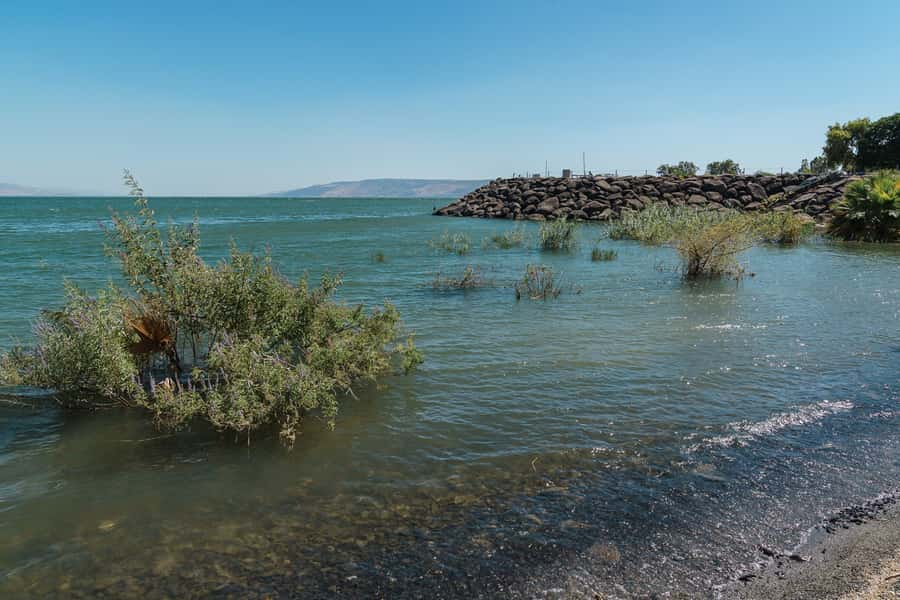
This tour follows the places associated with Jesus’s ministry in Galilee, but its appeal is not limited to religious pilgrimage. You also get archaeology, village remains, an ancient boat, historic churches, and views across the Sea of Galilee.
I find that mix useful. If you only visit churches, the day can feel abstract. At Magdala and Ginosar, you see the sort of fishing and village setting that shaped life in the region. At Mount of Beatitudes and Cana, you connect those everyday surroundings with familiar Gospel stories.
The route costs $105 per person and lasts ten hours. That is a fair price if you want a guided day from central Israel without arranging a car, parking, directions, and separate admissions. It is less attractive if you already have a rental car or prefer slow visits with plenty of time for meals and quiet exploration.
The tour requires a minimum number of participants, so it may not operate if that number is not reached. Pickup is included from major hotels in Tel Aviv, Jerusalem, Herzliya, and Netanya. If you stay in an Airbnb or another location, the operator provides the nearest pickup point rather than collecting you at the door.
Other trips people book in Tel Aviv:
- From Tel Aviv: Masada & Dead Sea Full Day Tour with Pick Up
★ 4.5 · 1,496 reviews - From Tel Aviv: Jerusalem and Bethlehem Guided Day Trip
★ 4.3 · 1,316 reviews - Masada and the Dead Sea Day Trip from Tel Aviv
★ 4.5 · 1,014 reviews
The long ride north from Tel Aviv
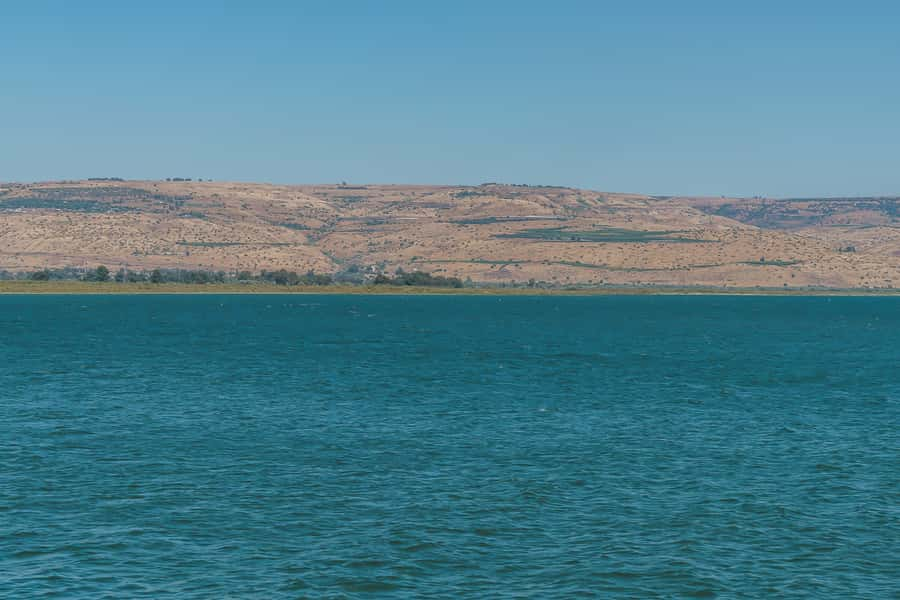
The day starts with a drive up the coast and through Israel’s farming areas toward northern Israel. The trip is not a quick transfer. Tel Aviv is a long way from the Sea of Galilee, so you should think of this as a full-day excursion with substantial time spent in the coach.
That long ride is the price of seeing Galilee without changing hotels. You get air-conditioned transport and a guide who can explain the places along the way, while you avoid the work of navigating an unfamiliar region.
I would bring water, snacks, and perhaps a simple breakfast. Food and drinks are not included, and a busy sightseeing day is easier when you are not waiting for the next meal stop. A hat and sunscreen are also sensible, particularly at open archaeological areas and viewpoints.
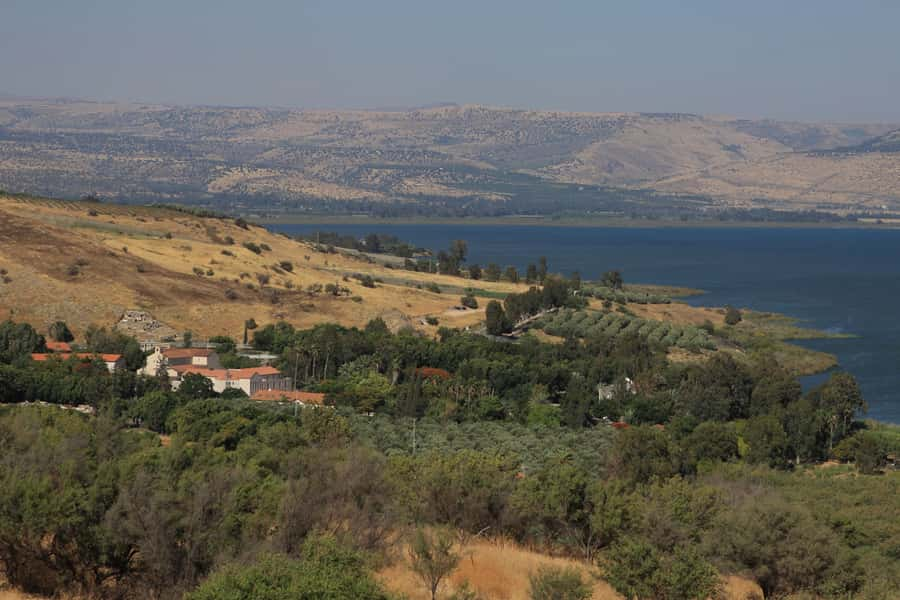
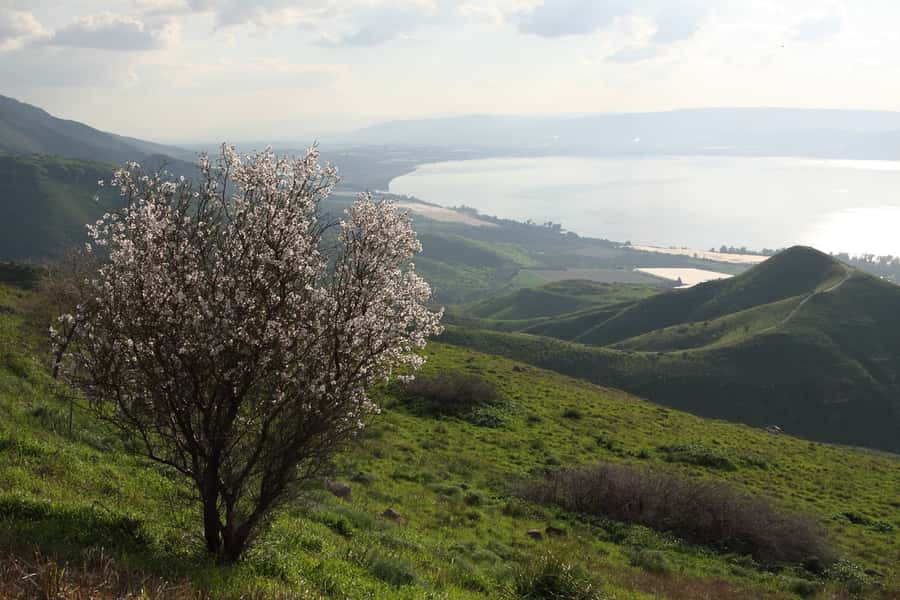
The countryside changes as you go north. The tour description emphasizes green scenery and farmland, which helps set the scene for the Galilee portion of the day. Once you reach the Sea of Galilee, the subject shifts from the journey itself to the specific villages, hills, and religious sites linked with Jesus.
Magdala and the synagogue from Jesus’s lifetime
Magdala is the most compelling stop for anyone who wants history as well as religious tradition. It was an ancient fishing village on the Sea of Galilee and is associated with Mary Magdalene, known in the Gospels as Mary from Magdala.
You walk through the remains of the village and see evidence of a working community from the Biblical era. That makes the site more tangible than a later church built to mark an event. You are looking at the kind of settlement Jesus may have visited as he moved among Galilean villages.
The synagogue is the highlight. It dates to the Second Temple period, the era when the Jerusalem Temple still existed. A coin dated to 29 AD was found there, showing that the building was in use during Jesus’s lifetime. The synagogue may have been one of the places where he preached, though the tour presents that as a possibility rather than a proven event.
That careful distinction matters. You can appreciate the connection without pretending archaeology can identify every sermon or visit. The value is in seeing a synagogue from the exact period described in the Gospels and imagining religious life in a real village rather than only reading about it.
I would give Magdala your fullest attention. The site has a strong link to Mary Magdalene, but the synagogue and village remains are the real reason to visit. Wear shoes that can handle an archaeological site, and remember that the day is not designed for an extended, unhurried excavation visit.
Ginosar and the first-century fishing boat
After Magdala, the coach makes a short drive north along the western shore of the Sea of Galilee to Ginosar. Here you visit the Beit Yigal Allon Museum, home to an ancient fishing boat found in the lake.
The boat has been carbon dated to between 100 BC and 70 AD. That places it within the period of Jesus’s life and the decades around it. You cannot say it was Jesus’s boat, but it gives you a direct look at the sort of craft used by fishermen in the region.
That is what makes this stop work so well. At Magdala, you see the village and synagogue connected with land-based life. At Ginosar, you see the fishing technology that supported communities around the lake. The two stops reinforce each other without needing exaggerated claims.
The boat is displayed at the museum, so this part of the visit is more controlled than walking through open ruins. It also gives you a change of pace before the hilltop church at Mount of Beatitudes.
If you are especially interested in archaeology, you may wish the tour allowed more time at both Magdala and Ginosar. Since the day must also include Mount of Beatitudes and Cana, the schedule has to keep moving. Still, the boat is an unusually memorable object because it connects a modern museum display with the daily work of people living around the lake two thousand years ago.
Same base, a different sort of day:
- Tel Aviv: Jerusalem, Bethlehem & Dead Sea
★ 4.0 · 881 reviews - From Tel Aviv: Jerusalem Old & New City Bus Tour
★ 4.2 · 824 reviews - From Tel Aviv: Guided Day Trip to Nazareth & Sea of Galilee
★ 4.4 · 824 reviews - From Tel Aviv: Caesarea, Haifa and Akko Day Trip
★ 4.4 · 744 reviews
Mount of Beatitudes above the Sea of Galilee

The road continues around the Sea of Galilee to Mount of Beatitudes. The hill is traditionally identified with the Sermon on the Mount, described in Matthew and connected with teaching in Luke.
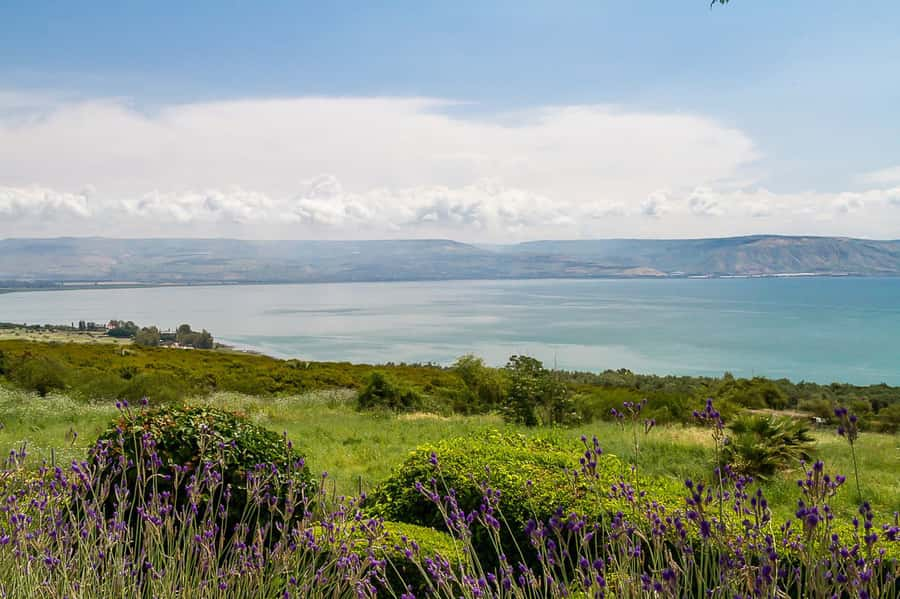
The setting explains the appeal. From the hill, you look across the lake and surrounding countryside, the same broad region where Jesus preached and traveled. The view gives the Gospel stories a clear physical setting. You are no longer picturing an unnamed hill. You are looking at a specific place associated with one of Christianity’s best-known teachings.
The church at the top was built in 1939 and designed by Antonio Barluzzi. Its portico has elegant arches and its dome gives the building a graceful profile. Christian tradition had identified the area with the Sermon on the Mount since the Byzantine period, and an earlier church was built at the foot of the hill.
The site also has a modern religious connection. Pope John Paul II celebrated Mass here in 2000 before about 100,000 worshipers. That detail shows how the hill continues to function as a place of pilgrimage, not simply an archaeological marker.
I like this stop for its combination of setting and architecture. You get time to look across the Sea of Galilee, then enter a quiet chapel with a strong visual link to the landscape around it. The visit may feel more devotional than archaeological, so your response will depend on what you want from the day.
Modest clothing is required at holy sites. Bring a hat and sunscreen for time outside, but dress respectfully enough for the church. Comfortable shoes remain useful, since this is a hilltop stop rather than a flat museum visit.
Cana and the Wedding Church
The final major religious stop is Kfar Kanna, usually called Cana. The village is associated with the wedding where Jesus turned water into wine, described as his first miracle.
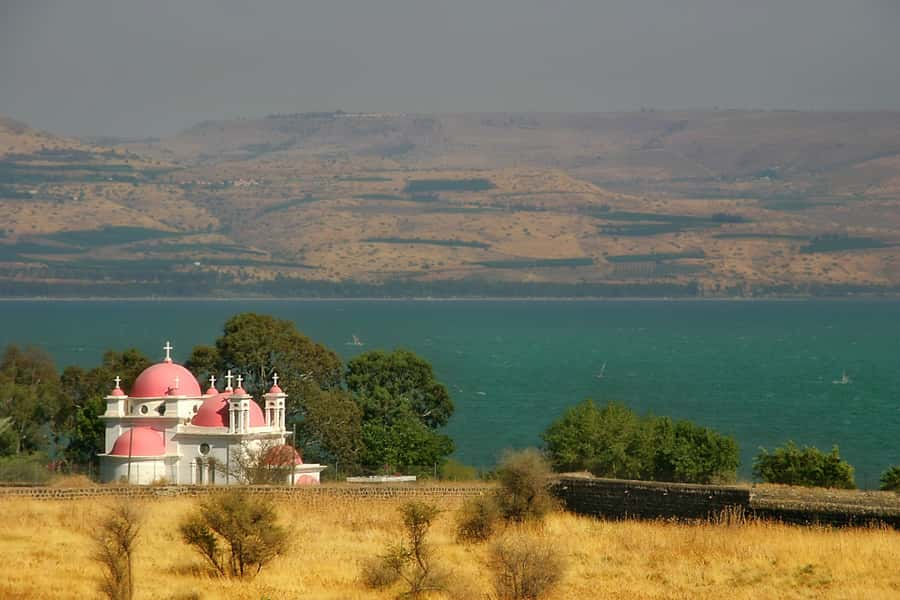
The Wedding Church commemorates the event. Inside, you can see a fifth or sixth-century Byzantine mosaic, while the church museum displays excavated objects. This gives Cana a little more depth than a simple photo stop. You get the continuing church tradition, older remains, and a physical reminder that the site has been used for worship for many centuries.
Cana feels different from Magdala. Magdala asks you to focus on a village and synagogue from the first century. Cana centers on a Gospel story and the later buildings and artifacts created to mark it. I would keep those distinctions in mind, especially if you care about the difference between a confirmed archaeological setting and a traditional identification.
The six stone jars in the Biblical account are part of the story connected with the site, but the main visit here is the church, museum, and mosaic. The stop is a fitting end to the Christian portion of the route because it returns you to a familiar Gospel narrative after a day of archaeology and geography.
As with Mount of Beatitudes, modest dress is expected. You should also be ready for a fairly structured visit. A ten-hour coach tour cannot offer the same freedom as an independent stay in Cana.
What the guide adds to the day
A good guide is especially important on this route because the sites involve archaeology, Biblical tradition, church history, and modern pilgrimage. You need someone who can explain what is established, what is traditional, and why the places matter without turning every detail into a certainty.
English is the tour language. A guide named Samuel, also called Smil, has been praised for being professional, helpful, and strong on the history and religious context. If he leads your departure, you can expect the sort of clear interpretation that helps link Magdala, Ginosar, the lake, and the churches into one story.
The guide also handles the practical rhythm of the day. With pickup, a long drive, several admissions, and a return to central Israel, organization matters. The best version of this tour is not simply a list of stops. It is a day where the explanation on the coach makes each visit more meaningful.
The tour has received a perfect five-star score from five recorded ratings, with especially strong praise for organization, helpfulness, and the guide. That is a small sample, so I would not treat it as a guarantee. It does suggest that the operator, Bein Harim Israel Tours, has delivered a well-run day for several different types of visitors.
Price, time, and practical tradeoffs
At $105, the tour offers reasonable value for a complicated day trip. Transport, a professional guide, entry fees, and pickup and drop-off are included. You pay separately for food and drinks, so budget for those before leaving.
The biggest cost is not money but time. Ten hours is a long day, and the drive from Tel Aviv means you will not have unlimited time at each site. That tradeoff makes sense if you want to cover the Galilee highlights in one outing. It makes less sense if you want long walks, extended museum visits, or a leisurely meal beside the lake.
You can cancel up to 24 hours in advance for a full refund, and you can reserve now and pay later. Those terms help if your Israel itinerary is still changing. The tour may require a minimum number of participants, so check that the departure is confirmed.
The experience is not suitable for children under four or for wheelchair users. Those limits are important because of the long day, the religious sites, and the nature of the stops. If you have mobility concerns, the supplied information does not promise wheelchair access, so this is not the right choice to book without checking first.
Who should book this Galilee tour
I would choose this tour if you are staying in Tel Aviv and want to see the major Christian sites of Galilee without renting a car. It is also a strong option for first-time visitors who want an English-speaking guide to explain the connection between ancient villages, Gospel stories, and later churches.
It suits adults and older children who can manage a full day on the road. Religious pilgrims will appreciate the traditional sites, while history-minded visitors will likely find Magdala and the fishing boat most rewarding.
I would hesitate if you dislike coach travel, need frequent meal breaks, or want to set your own pace. I would also think twice if you already plan to stay around the Sea of Galilee, since an independent visit could give you more time at each location.
Should you book it?
Book this tour if your priority is coverage and context. For $105, you see Magdala’s synagogue, the ancient boat at Ginosar, Mount of Beatitudes, and Cana, with transport and admissions handled for you.
Skip it if your ideal day means lingering at one archaeological site or exploring the lake independently. The long ride and tight schedule are real drawbacks, but for a well-organized introduction to the Biblical Galilee from Tel Aviv, the combination of sites is hard to match in a single day.
FAQ
How long does the tour last?
The tour lasts 10 hours, including the journey from central Israel to the Galilee sites and the return to your hotel or designated drop-off point.
Where does pickup take place?
Pickup is included from major hotels in Jerusalem, Tel Aviv, Herzliya, and Netanya. If you stay elsewhere, such as at an Airbnb, the operator provides details for the closest pickup point.
What language is the tour conducted in?
The live tour guide speaks English.
Are meals and drinks included?
No. Food and drinks are not included, so you should plan to bring or purchase them during the day.
What should I wear and bring?
Modest dress is required at the holy places. Comfortable shoes, a hat, and sunscreen are recommended.
Is the tour suitable for young children or wheelchair users?
The tour is not suitable for children under four or for wheelchair users.
Just added in Tel Aviv
- private Full-day Tour to Jericho + the Dead Sea★ 5.0 · 3 reviews
- VIP Tel Aviv airport Terminal 3 Fast Track Skip Line From plane★ 4.5 · 9 reviews
- Package VIP Skip Line Services in BGN Airport with Transfer to Tel aviv Hotels★ 5.0 · 3 reviews
- Private wine tour of Northern Israel★ 5.0 · 4 reviews
- Haifa Acre and Rosh Ha-Nikra Private Tour from Tel Aviv★ 5.0 · 5 reviews
- Israel Holy Land Christian Tour Package 7 days – Private Tour Package★ 5.0 · 31 reviews
- Jerusalem and Dead Sea Trip from Tel Aviv★ 4.0 · 6 reviews
- Tel Aviv & Old City of Jaffa – Tiny group from Tel Aviv★ 4.5 · 9 reviews
Tours in Tel Aviv, compared.
Masada & Dead Sea Full Day Tour with Pick Up
Read our review →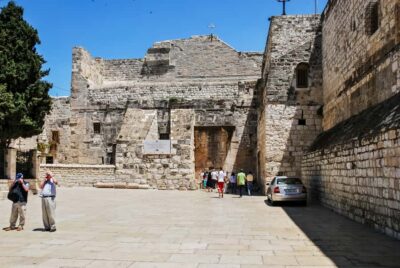
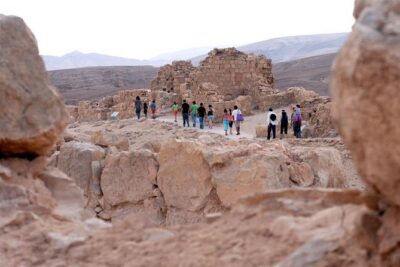
Masada and the Dead Sea Day Trip from Tel Aviv
Read our review →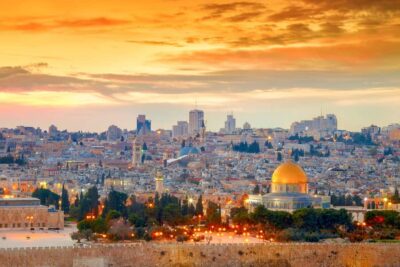
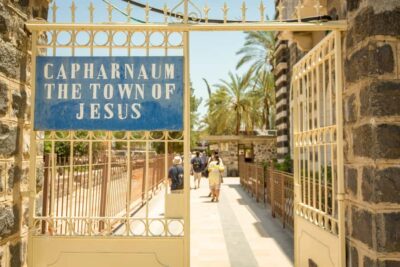
Day Tour to Jerusalem and Bethlehem from Tel Aviv
Read our review →Browse the lists this tour appears in