
Reviewed · CAESAREA, HAIFA & ACRE TOURS
Caesarea, Haifa, Rosh Hanikra, and Acre Tour from Jerusalem
Northern Israel packs a remarkable amount into one long day. This tour takes you from Herod’s Roman port at Caesarea to the Lebanese border at Rosh Hanikra, with Haifa and Acre in between. The best moment is the cable-car descent into Rosh Hanikra’s limestone grottoes, where waves have carved tunnels into the coast.
I like the wide mix of sights: Roman ruins, a modern religious landmark, coastal caves, and a Crusader-era old city. I also like the practical value. For $108, you get round-trip transport from Jerusalem, a guide, an air-conditioned vehicle, and entrance fees.
The trade-off is the schedule. You leave at about 5:40 am and spend much of the day on the road. Pickup delays have caused frustration, and some visitors found the vehicle short on legroom, so this suits you best if you value coverage over a leisurely pace.
Key points to know before booking

- Rosh Hanikra is the visual highlight: Ride a cable car down to wave-cut grottoes beside the Lebanese border.
- Caesarea gives you Roman scale: See gateways, a moat, walls, rooms, an amphitheater, and part of a hippodrome.
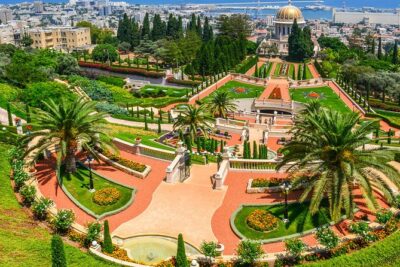
- Haifa is a short scenic stop: The Baha’i Shrine and its 19 flower-filled terraces are viewed from the city.
- Acre adds medieval and modern political history: The old city includes Crusader remains, a Turkish prison, and British Mandate-era gallows.
- This is a full 12-hour day: The early start and long transfers make comfortable shoes, water, and sun protection important.
- The group can reach 40 people: Guides may speak English, German, French, or Spanish, and specific guides can vary by departure.
Why this northern coast route works
You get a useful introduction to Israel’s Mediterranean coast without arranging several separate trips. The route moves through different eras rather than repeating one type of sight. Caesarea is Roman, Haifa reflects the Baha’i faith, Rosh Hanikra is shaped by geology and border politics, and Acre brings Crusader, Ottoman, and British Mandate stories together.
That variety is the chief reason to choose this outing. You are not spending the entire day at one archaeological park or on a bus between lookouts. Each stop changes the subject, the setting, and the feel of the day.
The price of $108 is reasonable if you make use of the included admissions and hotel transfers. A private car, fuel, entrance fees, and a guide would cost much more to arrange on your own. The value is weaker if you dislike early starts or prefer to stay several hours at each site.
The tour begins at around 5:40 am. Jerusalem pickups join the wider departure from Tel Aviv, which helps explain the long day and the possibility of a group change or meeting-point adjustment. Confirm the pickup details carefully before you go, and allow patience for city traffic.
Other coastal days out of Jerusalem:
- Caesarea, Haifa & Akko Day Trip from Jerusalem
★ 4.3 · 96 reviews - Caesarea, Acre & Rosh Hanikra Day Trip from Jerusalem
★ 4.0 · 78 reviews - From Jerusalem: Caesarea, Haifa, Acre & Rosh Hanikra Tour
★ 4.2 · 25 reviews
Caesarea: Roman ruins by the sea
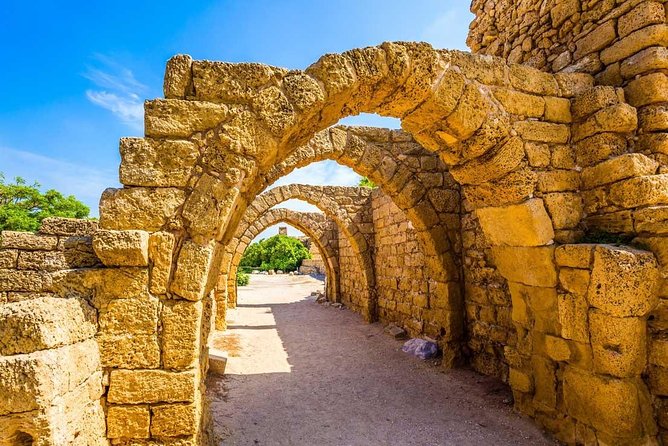
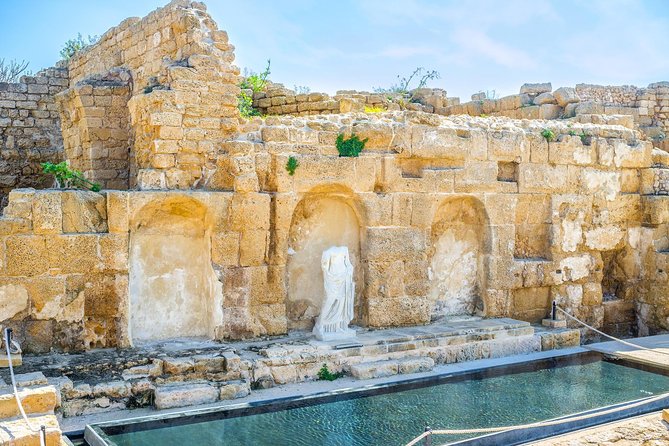
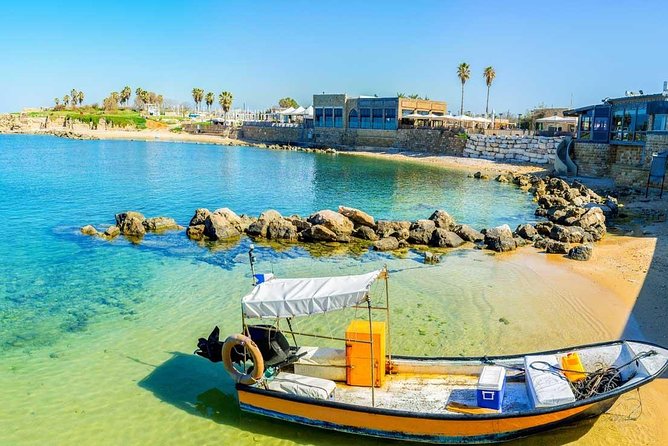
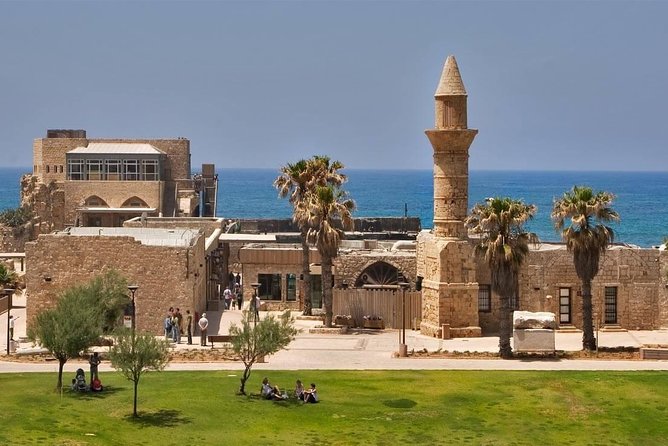
Caesarea National Park is the tour’s first major history stop. Herod built the city and named it for Caesar, and the remaining gateways, moat, walls, and rooms show that this was no minor coastal settlement.
The Roman amphitheater is the clearest focal point. It remains well preserved and still hosts performances by Israeli and international artists. Standing in a place that continues to serve its original public purpose gives the ruins more life than a row of broken stones. Nearby, you can see part of the old hippodrome, where chariot racing once formed part of Roman public entertainment.
You have about an hour here, with admission included. That is enough for a guided overview and a walk through the main remains, but not enough for a slow, detailed examination of every corner. Stay close to the guide at the start, since the site’s history makes more sense when you understand how the gates, moat, public buildings, and performance spaces fit together.
Wear shoes with a firm sole. The site includes outdoor walking, and the day becomes hotter as it goes on. This is also a good place to begin using your water supply rather than saving it for later.
Haifa’s Baha’i Gardens in a 20-minute stop
The Haifa stop is brief, but it gives you one of the tour’s most striking city views. The Baha’i Shrine sits among 19 carefully arranged terraces that descend toward Haifa below. Flowers, clipped plantings, and strong geometric lines create a sharp contrast with the rough stone and open sea around the other stops.
You have roughly 20 minutes, and admission is free. Think of this as a viewpoint and orientation stop, not a full garden visit. You will see the shrine and the terraces, take photographs, and hear the basic story of the site before the group moves on.
That short timing is the main limitation. If the Baha’i Gardens are your top reason for visiting Haifa, this tour will not give you the time of a dedicated city visit. If you want a quick look at one of Haifa’s defining sights while heading north, the stop works well.
The gardens also break up the archaeological focus. After Caesarea, the clean terraces and broad urban view give you a different kind of place to look at, with less walking and a chance to reset before the northern coast.
Rosh Hanikra and the cable car to the grottoes
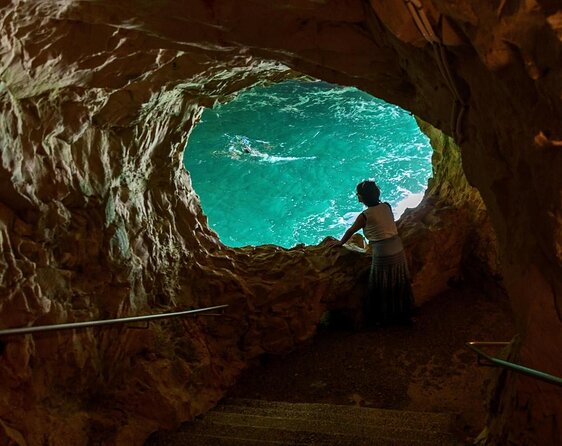
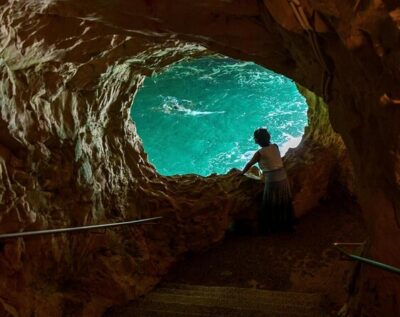
Rosh Hanikra is the most unusual stop of the day. At Israel’s northernmost Mediterranean coastal point, waves have cut through pale limestone and formed a network of grottoes. You reach them by cable car, descending from the high coastal rock toward the water.
The ride itself is part of the attraction. You gain a wide view of the sea and the coast before entering the grotto system. Inside, the rock walls, tunnels, water, and changing light create a setting that feels very different from the dry Roman ruins farther south.
The tour allows about an hour at Rosh Hanikra, followed by a separate 40-minute visit connected with the grottoes and the Lebanese border area. The exact order may depend on operations, but you should expect a mix of cable-car travel, short walks, viewing areas, and historical explanation.
This stop is popular for good reason, but it is not a swimming excursion. One visitor wished there had been a chance to get into the water, yet the tour is built around viewing the caves and coast. Bring a hat and water, especially in hot weather. The site itself may feel cooler near the rock and water, but the exposed areas and waiting time can still be warm.
The border setting adds weight to the visit. Rosh Hanikra is not only a natural site. You are also near Lebanon, and the tour points out the defensive concerns connected with this northern edge. That pairing of geology and modern geography gives the stop more substance than a simple scenic lookout.
Same base, a different sort of day:
- From Jerusalem: Masada & Dead Sea Full Day Tour with Pick Up
★ 4.5 · 815 reviews - Masada and the Dead Sea Day Trip from Jerusalem
★ 4.5 · 757 reviews - From Jerusalem: Nazareth and Sea of Galilee Tour
★ 4.5 · 588 reviews - Nazareth and the Sea of Galilee Day Trip from Jerusalem
★ 4.5 · 446 reviews
Acre: Crusaders, prisons, and a layered old city
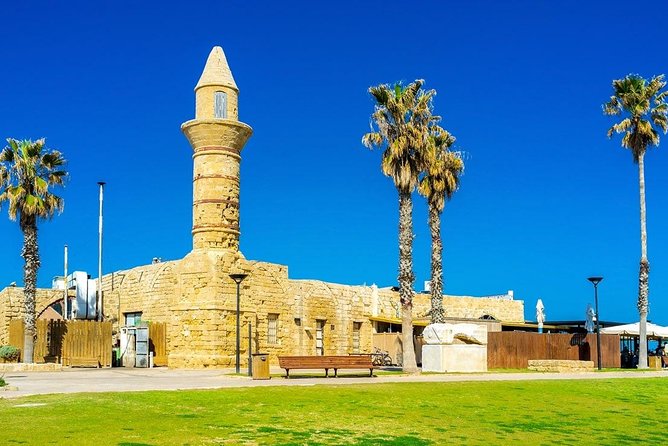
Acre, also called Akko, brings you into a compact old city with several different periods visible in one visit. The tour includes time in the old city and a visit to the citadel area, where Crusader remains, a prison used during Turkish rule, and British Mandate-era gallows are part of the story.
The Crusader remains are the main draw for many people. The stone walls and former defensive structures help you picture Acre as a fortified port and a major meeting point between Europe and the eastern Mediterranean. The tour does not treat the place as a single medieval monument. It also explains the later Ottoman period and the British restrictions on Jewish immigration after World War II.
That final chapter can be difficult, but it matters. The gallows are tied to Jews who broke British laws limiting immigration to Palestine. Seeing the prison and execution site places modern political history inside the same walls as the Crusader remains.
You have about an hour for Acre and another hour for the citadel portion. The distinction between the two listed stops may not feel perfectly clear on the ground, since the old city and citadel are part of the same overall visit. Expect a guided walk rather than a free afternoon to shop, eat, or wander on your own.
The guide can shape the whole day
A long coach excursion depends heavily on the guide. The tour is offered in English, German, French, and Spanish, and guides can vary. Names associated with departures include Aviva, Dane, Sivan, and Yaacov. Yaacov, for example, was praised for personal storytelling, including a connection to the Rosh Hanikra grottoes, while Sivan was noted for clear explanations at the northern sites.
You should not book on the assumption that one particular guide will lead your departure. Still, the range of positive guide feedback shows why the human side of this tour matters. At Caesarea and Acre, a guide can turn scattered stones into a readable plan. At Rosh Hanikra, the guide can connect the caves to the border setting rather than treating them as a quick photo stop.
Language choice deserves attention. If you select Spanish, German, or French, check the confirmation carefully. One Spanish departure also offered some Portuguese help, but that should be treated as a pleasant possibility, not a promised service.
Some departures have suffered from late pickups and a long drive without much explanation at the start. That is frustrating on a 12-hour day. A strong guide can recover the mood, but good organization before the guide joins the vehicle makes a real difference.
Transport, pace, and what to pack
Round-trip hotel pickup and an air-conditioned vehicle remove the hardest planning problem: connecting Jerusalem with four northern sites in one day. You can watch the road instead of navigating it, and the included admissions keep small costs from accumulating.
The vehicle may hold up to 40 people. That group size can make the price attractive, but it also means slower loading, more head-count checks, and less flexibility. Some departures have involved a change of vehicle or a shared taxi after pickup problems. Ask for clear instructions if the meeting arrangement changes.
Comfort is worth taking seriously. One departure was criticized for limited legroom, and the journey includes long stretches between stops. Bring:
- Water and a hat
- Comfortable walking shoes
- Sun protection
- A light snack, since food and drinks are not included
- A phone with the mobile ticket available
A lunch stop appears in the day’s practical rhythm, but the tour does not include meals. You should plan to buy food or carry something suitable. Do not assume you will have time for a long restaurant meal, since the schedule is tight.
The early start is not optional in spirit, even if exact pickup times vary. You leave before 6 am and return after a full day on the road. Families can participate from age four, but young children need to handle early rising, walking, heat, and a long vehicle ride.
Who should book this tour?

I would choose this tour if you have limited time in Israel and want a broad look at the north from Jerusalem. It is especially useful for first-time visitors who want the main coastal highlights without renting a car or working out the route between Caesarea, Haifa, Rosh Hanikra, and Acre.
It also suits people who like guided context. The sites are more rewarding when someone explains how Roman public life, Baha’i design, coastal geology, Crusader power, Ottoman rule, and British policy connect across the day.
I would think twice if you want slow photography, long meals, or independent exploration. Haifa receives only a short stop, Caesarea is tightly timed, and Acre is guided rather than open-ended. The day’s greatest strength, its coverage, is also its main weakness.
Is the $108 price worth it?
For $108, the package is good value if you use the hotel transfers and included entrance fees. You are covering a large stretch of coast, and the route would be awkward to reproduce by public transport in one day.
The value depends on your tolerance for time in transit. You are paying for access and logistics as much as for sightseeing. If you would otherwise need a rental car, fuel, parking, admissions, and a driver, the price compares well. If you are already staying near Haifa or Acre, a shorter local tour may suit you better.
The free-cancellation policy helps reduce risk: cancel at least 24 hours before the start for a full refund. Changes or cancellations inside that window are not refunded.
Should you book it?
Book this tour if your priority is seeing a lot of northern Israel in one day, especially the Rosh Hanikra grottoes and Caesarea’s Roman remains. Bring water, accept the early start, and expect a brisk schedule.
Skip it if you want a relaxed coast day or a deep visit to one city. For the right person, this is an efficient and varied route with several memorable stops. Its success depends on a punctual pickup, a comfortable vehicle, and a guide who can make the long day feel purposeful.
FAQ
What time does the tour start?
The stated start time is 5:40 am. Pickup details should be confirmed when you book, especially because Jerusalem passengers join the tour from Tel Aviv.
How long does the tour last?
The experience lasts approximately 12 hours, including transportation and visits to Caesarea, Haifa, Rosh Hanikra, and Acre.
Are hotel pickup and drop-off included?
Yes. Hotel pickup and drop-off are included, along with transport in an air-conditioned vehicle.
Which languages are available?
Guided tours are available in English, German, French, and Spanish. The specific language offered depends on the departure you select.
Are entrance fees included?
Yes. The tour includes all listed entrance fees, including Caesarea and the Rosh Hanikra attractions.
Can children join the tour?
The minimum starting age is four years old. Most people can participate, but the day includes an early start, walking, outdoor heat, and a long vehicle journey.
Just added in Jerusalem
- jerusalem classic tour★ 5.0 · 3 reviews
- kosher Israel wine tour★ 5.0 · 4 reviews
- Tour of Jerusalem & Dead sea private tour★ 5.0 · 4 reviews
- West Bank Tour from Jerusalem and Tel-Aviv – Bethlehem & Jericho★ 5.0 · 6 reviews
- full day tour Jerusalem price per van up to 6 people★ 5.0 · 8 reviews
- Tour of Masada-Dead Sea and Qumran from Jerusalem★ 3.5 · 11 reviews
- Full Day Private Christian Tour in Jerusalem with Tour Guide★ 5.0 · 28 reviews
- Magical Walking Tour in Old City of Jerusalem★ 5.0 · 27 reviews
Caesarea, Haifa & Acre Tours, compared.
Caesarea, Rosh Hanikra and Acre Day Trip from Tel Aviv
Read our review →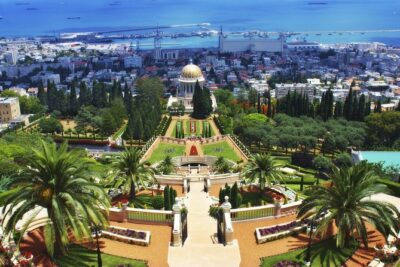
Haifa Shore Excursion: Nazareth and the Galilee – for cruise ship guests only
Read our review →
Caesarea, Acre & Rosh Hanikra Day Trip from Jerusalem
Read our review →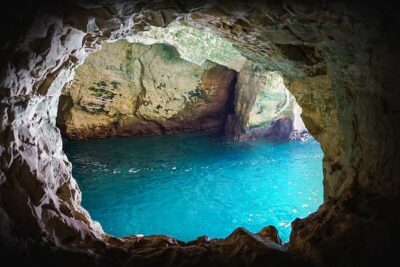
Unforgettable Tour to Caesarea, Haifa, Acre and Rosh HaNikra from Tel Aviv
Read our review →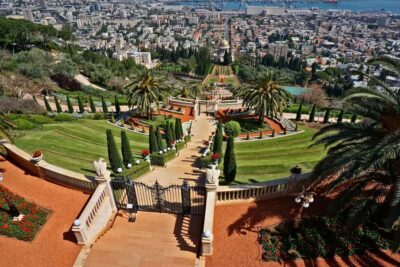
Tel Aviv/Jerusalem: Caesarea, Haifa & Akko Day Tour
Read our review →
Browse the lists this tour appears in