
Reviewed · HISTORICAL TOURS
Kabbalah Heritage Walk
Safed is the right place to explore Kabbalah: its old lanes and synagogues are tied to the 16th-century teachers who made the city a center of Jewish mysticism. I like the small group of no more than 15 and the chance to walk with Rabbi Shmuel Kopel, a Talmudic scholar who can explain both the ideas and the people behind them. I also like that the tour connects Kabbalah to practical Jewish law, rather than treating it as a collection of strange mysteries.
The main drawback is that this is a focused, scheduled walk, not a broad Safed sightseeing tour. You get about 90 minutes, and the city is hilly and historic, so you should be ready to walk and listen closely. The published timing also contains a small inconsistency, with the tour described as 90 minutes while one schedule line shows 1:30 PM to 2:30 PM. Confirm the exact timing when you book.
Key points to know before you book
- Safed is the setting: Begin and end at Kikar HaMeginim in the old city of Safed, also called Zefat.
- Rabbi Shmuel Kopel leads the walk: He brings Talmudic study and personal interest in Kabbalah to the discussion.
- The 16th-century sages are central: Learn about Rabbi Moshe Cordovero, the Alkabetz, Isaac Luria, and Rabbi Yosef Cairo.
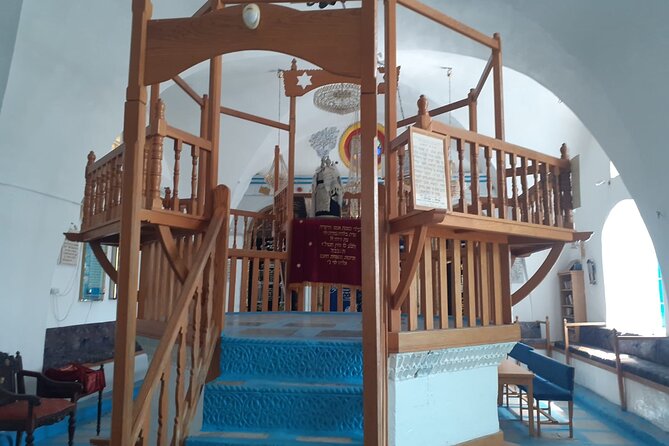
- Historic synagogues are part of the experience: The walk includes sites connected with rabbis who prayed and taught in Safed.
- The group stays small: A maximum of 15 people gives you a better chance to ask questions.
- Timing is fixed: It runs once daily Sunday through Thursday at 1:30 PM and on Friday at 11 AM, subject to availability.
Why Safed is the right place for a Kabbalah walk
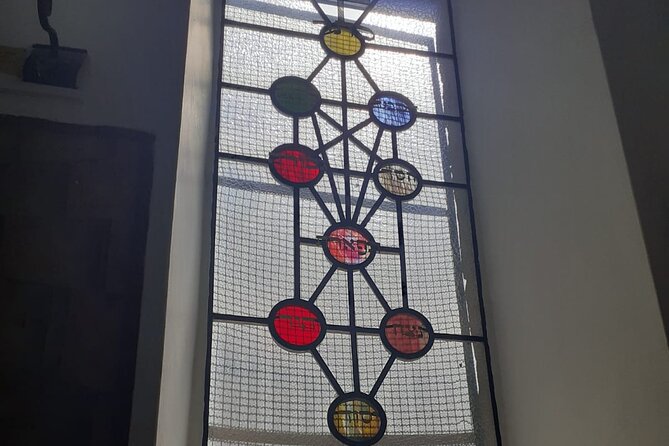
Kabbalah is often presented as a secretive or mysterious side of Judaism. That description is not entirely wrong, but it can make the subject seem more exotic and less connected to everyday Jewish life than it really is. This walk gives you a chance to place Kabbalah in its actual setting: Safed, a northern hill town where major Jewish thinkers taught during the 16th century.
The city became known as a capital of Kabbalistic teaching during that period. Its importance is not just a matter of old stories. The rabbis associated with Safed shaped prayer, Jewish law, customs, and religious thought that still affect Jewish life around the world.
I like that the walk deals with the physical city as well as the ideas. You are not sitting in a lecture room hearing names without context. You are on foot, moving through the old city and visiting places connected to the people being discussed. The walls, lanes, and synagogues give the subject a sense of place.
That setting matters. A name such as Isaac Luria can feel distant when it appears in a book. At a site connected to him, the story becomes easier to picture. You can ask how his teachings differed from those of other Kabbalists, why Safed became important, and how religious practices developed from the work of these scholars.
A few more things to do in Israel worth a look
- Jerusalem Yad Vashem Holocaust History Museum Tour
★ 5.0 · 98 reviews - Jerusalem Christian Heritage Private Tour
★ 5.0 · 9 reviews - Full-Day Private Luxury and Cultural Tour in Tel Aviv
★ 5.0 · 5 reviews
Beginning at Kikar HaMeginim
The walk begins at Kikar HaMeginim in Safed and returns there at the end. This simple out-and-back arrangement is useful because you do not need to arrange a separate pickup point or wonder where the tour finishes.
The meeting location is near public transportation, though you should still allow time to reach the square before departure. The tour has a set daily start, and a late arrival could be awkward for a walking program that moves between several sites.
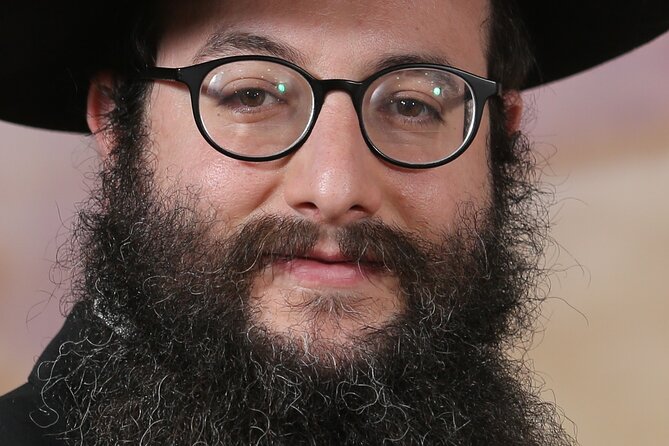
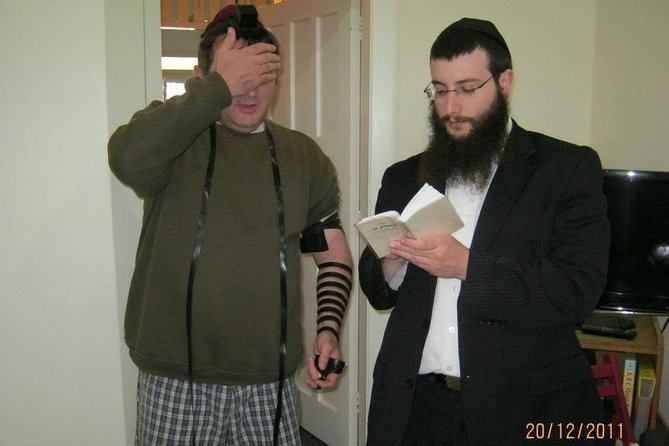
From the meeting point, expect to explore Safed on foot with Rabbi Shmuel Kopel. The experience provider describes him as a Talmudic scholar who has studied and drawn inspiration from Kabbalistic teachings. That background shapes the tone of the walk: the goal is not simply to point out attractive buildings, but to explain the teachings linked to them.
The group limit is 15 people. That is small enough for a more direct conversation than you would usually get on a large city tour. It also matters because Kabbalah raises questions. Some people will want historical details, while others may want to understand how the teachings relate to Judaism today. A smaller group makes it more practical to ask.
Meeting the major Kabbalists of Safed
One of the main subjects is Rabbi Moshe Cordovero, also known as the Ramak. The walk uses sites connected with him to explain his place in the development of Kabbalah. You should expect the discussion to focus on what he taught and how his work influenced later Jewish thought.
The Alkabetz is another important figure. His connection with Safed gives the walk a chance to show how Kabbalistic ideas reached beyond private study and into prayer and religious practice. Rather than leaving him as a name on a timeline, Rabbi Kopel explains the practical impact of his teaching.
The best-known figure on the walk may be the Holy Ari, Isaac Luria. Luria is one of the central names in the Kabbalistic tradition of Safed, and his presence helps explain why the city became so significant. The tour does not treat Kabbalah as a single set of ideas created by one person. It shows how different rabbis taught, interpreted, and extended the tradition.
These stops are valuable for visitors who want more than a general introduction. You can ask questions at the point where the teaching is connected to a particular rabbi or site. That is one of the strongest reasons to choose this tour over reading a short guidebook entry on your own.
The exact order of the sites can depend on the guide and local conditions, so do not expect a rigid museum-style route. Think of the walk as a conversation that moves through the old city, with the places providing the framework.
Historic synagogues and the wider story of Safed
The walk also covers historic synagogues in Safed. These are important not only as buildings, but as places tied to rabbis who prayed and taught there. The experience gives you a way to connect religious practice with the people who shaped it.
Safed is one of Judaism’s four sacred cities, and the tour explains why it holds that status. That wider context is useful because Kabbalah is only one part of the city’s identity. Safed also has a major place in Jewish religious history, and the synagogues help show how that identity developed.
You may find the synagogue stops especially useful if you are interested in Jewish history but do not already know much about Kabbalah. The tour does not require you to arrive with a background in mystical texts. Rabbi Kopel explains the significance of the rabbis and places as you go.
Still, this is not a standard sightseeing route designed to cover every famous corner of Safed. If your main goal is art galleries, shopping, city views, or a complete old-city orientation, you may want to add separate time in Safed before or after the walk. This experience keeps its attention on Kabbalah, Jewish law, and related religious history.
Same base, a different sort of day:
- From Tel Aviv: Masada & Dead Sea Full Day Tour with Pick Up
★ 4.5 · 1,496 reviews - From Tel Aviv: Jerusalem and Bethlehem Guided Day Trip
★ 4.3 · 1,316 reviews - Masada and the Dead Sea Day Trip from Tel Aviv
★ 4.5 · 1,014 reviews - Tel Aviv: Jerusalem, Bethlehem & Dead Sea
★ 4.0 · 881 reviews
From mystical teaching to Jewish law
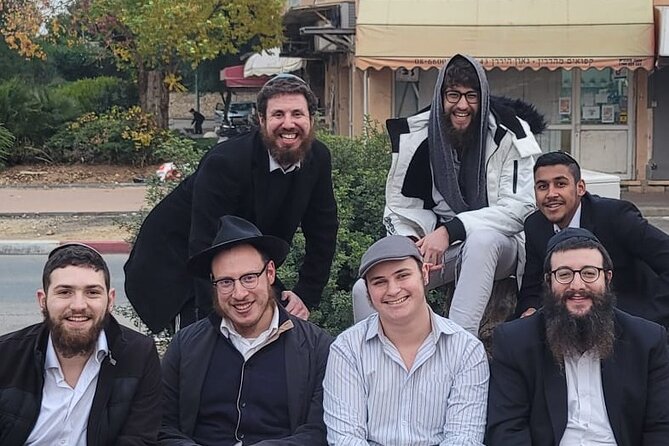
A particularly useful feature is the link to Rabbi Yosef Cairo, described as the author of the Shulchan Aruch, the most authoritative book on Jewish religious law. His connection to Safed broadens the tour beyond mystical teachings.
This matters because many people hear Kabbalah and imagine a subject separate from ordinary religious life. The walk shows how Safed was home to both Kabbalistic teachers and a major authority on Jewish law. Those traditions were not simply isolated strands. They developed in the same city and influenced how Judaism was practiced.
I like this part of the experience because it gives you a clearer sense of cause and effect. You learn not only who lived or taught in Safed, but how their ideas affected Jewish communities far beyond the city. The guide’s job is to explain those connections in plain terms, and the small format gives you room to ask for clarification when a concept becomes dense.
If you are completely new to Judaism, some terms may still take effort. This is an educational walk, not a light historical stroll. You will get more from it if you are willing to pause, listen, and ask direct questions rather than trying to photograph every stop and move on.
What the 90-minute format does well
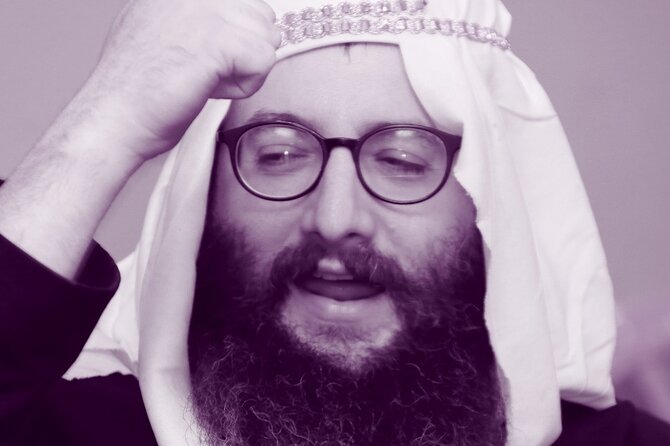
The advertised duration is about one hour and 30 minutes. That is long enough to cover several important people and sites without turning the afternoon into a full-day study session.
The short format also makes this a practical addition to a wider Israel itinerary. You can fit it into time in Safed without committing an entire day. The fixed afternoon start from Sunday through Thursday gives you a clear planning point, while the Friday start at 11 AM fits a different schedule.
There is a scheduling detail worth checking. The general information describes a 90-minute experience, but one opening-hours entry lists Monday from 1:30 PM to 2:30 PM. Since the published schedule also says the tour starts at 1:30 PM, confirm the end time and availability directly when arranging your visit.
The walk operates once per day, so flexibility is limited. Sunday through Thursday departures are listed at 1:30 PM, and Friday begins at 11 AM. Other times can be arranged in advance, but they depend on availability. That makes early booking sensible, especially since the activity is commonly reserved well ahead of the date.
Is $45 a fair price?
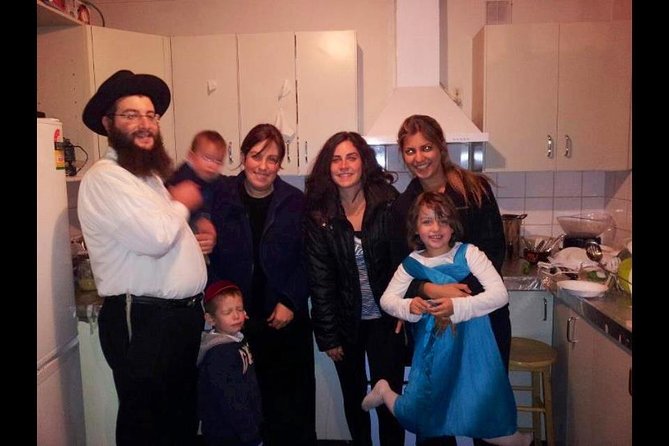
At $45 per person, this is not the cheapest way to walk around Safed. You could explore the old city independently for little or no cost. The price is easier to justify if you want a specialist guide, structured access to the city’s religious sites, and the chance to ask questions during the walk.
The value is strongest for visitors who would otherwise see a synagogue or historic lane without understanding its connection to Kabbalah. Rabbi Shmuel Kopel’s Talmudic background gives the experience a subject focus that a general city guide may not provide.
The group limit also helps. With up to 15 people, you are paying for more than a recorded audio route or a large group lecture. You are paying for interpretation and conversation. That matters most when you have specific questions about the sages, the sites, or the relationship between Kabbalah and Jewish law.
The value is weaker if you already have a strong background in Kabbalah or if you want only a quick visual tour of Safed. In that case, the pace and subject matter may feel too narrow. For a visitor who wants to understand why Safed matters, though, the price is reasonable for a focused 90-minute lesson in the city itself.
Who will enjoy this walk most
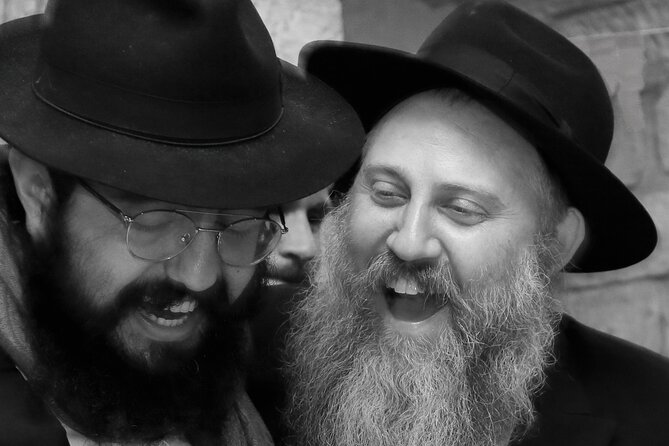
This experience suits you if you want religious history explained by someone who has studied the subject seriously. It is also a good choice if you prefer walking and conversation to a large bus tour or a passive audio guide.
You do not need to be an expert in Judaism. The format is designed for questions, and the guide explains the relevant traditions at each site. The walk is especially useful for anyone curious about how Kabbalistic ideas developed and how they affected Jewish practice.
It also fits well for families or pairs with different levels of interest. One person can focus on Safed’s history, while another asks about mysticism and religious law. The small group means you are less likely to lose the thread of the discussion.
Most people can participate, and service animals are allowed. Since this is a walking tour through an old city, you should be comfortable moving on foot for the full visit. The supplied information does not give detailed information about steps, paving, or exact synagogue access, so ask ahead if you have mobility concerns.
Practical planning for your Safed visit
Book ahead if your schedule is fixed. The experience is offered only once daily on most days, and alternate times require advance coordination. Confirmation is provided when you book, and mobile tickets make it easier to keep the booking available on your phone.
Plan to arrive at Kikar HaMeginim before the scheduled start. The tour begins and ends there, so you can use the same location as your reference point while planning the rest of your time in Safed.
Wear comfortable walking shoes and keep your attention on the guide. The point of this experience is not simply to collect photographs. The places matter because of the people and ideas associated with them, and you will get more from the walk if you listen closely and save your questions for the appropriate stops.
The cancellation policy is forgiving if your plans change early. You can cancel for a full refund up to 24 hours before the start time. Cancellations or changes made less than 24 hours ahead are not accepted for a refund, and the cut-off follows local time.
Should you book the Kabbalah Heritage Walk?
Book it if Safed’s religious story interests you and you want more than a self-guided stroll. The combination of Rabbi Shmuel Kopel, a small group, historic synagogues, and sites linked to Cordovero, the Alkabetz, Isaac Luria, and Rabbi Yosef Cairo gives the walk a clear purpose.
Skip it if you want a broad tour of every Safed attraction, a flexible departure, or a quick introduction with little discussion. This is a focused experience, and its success depends on your interest in Kabbalah and Jewish history.
For the right visitor, the $45 fee buys useful context in the exact places where these traditions developed. I would choose it as a planned part of a Safed visit, especially if you want to understand how a small northern city influenced Jewish thought far beyond its walls.
FAQ
Where does the Kabbalah Heritage Walk begin?
The walk begins at Kikar HaMeginim in Safed, Israel.
Where does the tour end?
The activity ends back at the meeting point at Kikar HaMeginim.
How long does the walk last?
The experience is advertised as approximately one hour and 30 minutes. One schedule entry lists a 1:30 PM to 2:30 PM period, so confirm the exact end time when booking.
Who leads the experience?
The walk is provided by Rabbi Shmuel Kopel and is led by a Talmudic scholar with a background in Kabbalistic study.
What days and times is it offered?
It operates once daily Sunday through Thursday at 1:30 PM. Friday departures begin at 11 AM. Other times must be arranged in advance and depend on availability.
How many people can join the tour?
The activity has a maximum group size of 15 people.
Can I cancel for a full refund?
Yes. You can cancel at least 24 hours before the local start time for a full refund. Cancellations or changes made less than 24 hours before the start are not accepted for a refund.
Just added in Israel
- A Day of Spiritual Discovery in the Upper Galilee★ 5.0 · 7 reviews
- Tour The Mystical City Of Safed★ 5.0 · 11 reviews
- Galilean Cooking Workshop 2-4 particpants★ 5.0 · 27 reviews
- Sea of Galilee – Off the Beaten Track★ 5.0 · 3 reviews
- private Full-day Tour to Jericho + the Dead Sea★ 5.0 · 3 reviews
- Druze Culinary Tour of the Western Galilee★ 5.0 · 6 reviews
- Package VIP Skip Line Services in BGN Airport with Transfer to Tel aviv Hotels★ 5.0 · 3 reviews
- Private wine tour of Northern Israel★ 5.0 · 4 reviews
Historical Tours, compared.
Jerusalem Yad Vashem Holocaust History Museum Tour
Read our review →
Browse the lists this tour appears in