
Reviewed · JAFFA & OLD PORT TOURS
Tel Aviv and Jaffa Most Exciting Private Tour
Jaffa is the star here: an ancient port with stone lanes, archaeological remains, churches, galleries, and stories reaching back thousands of years. Then the tour shifts gears to modern Tel Aviv, where Bauhaus buildings, cafés, markets, and restored waterfront spaces show a younger side of the same city. The contrast between old Jaffa and modern Tel Aviv gives this private outing its shape.
I like the personal format, especially if you want to ask questions or adjust the pace. I also like the combination of walking and driving, which lets you cover more ground than a walking tour alone. The main caution is time. With Jaffa, several central Tel Aviv stops, Sarona, the port, and market time packed into about five hours, some stops may feel brief, and the amount of historical commentary can be heavy for some people.
- Jaffa begins the day: Explore one of Asia’s oldest ports, with old lanes, ruins, churches, and art galleries.
- The Ilana Goor Museum is included: Allow 30 minutes for this unusual museum in a historic Jaffa building.
- Bauhaus defines central Tel Aviv: The White City offers one of the tour’s strongest architecture stops.
- A private guide keeps the tour flexible: The price covers your group of up to four people, not each person separately.
- Levi Zelkind may guide the experience: He is praised for clear historical explanations and a comfortable modern SUV.
- The day mixes culture with city life: Rothschild Boulevard, Sarona, the port, and Nahalat Benyamin add food, shopping, and street scenes.
Ancient Jaffa Sets the Tone
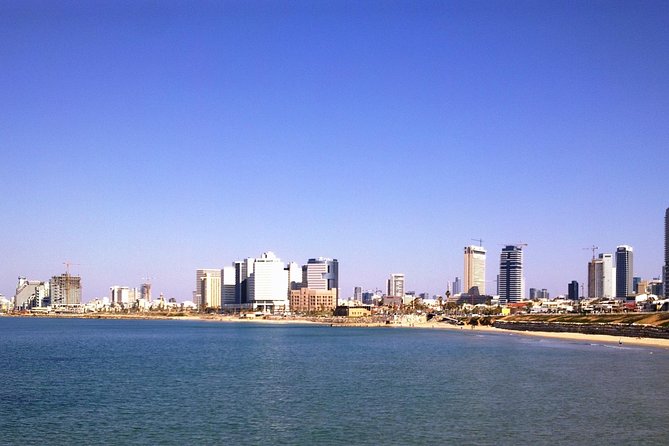
The tour starts at 10 a.m. with hotel pickup in Tel Aviv. From there, you begin in Old Jaffa, a place that feels far older and slower than the modern city a short distance away.
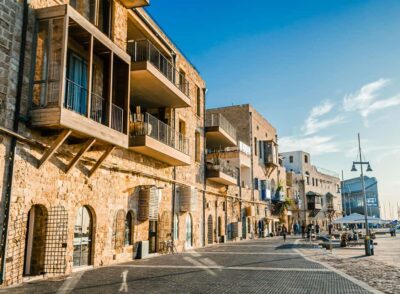
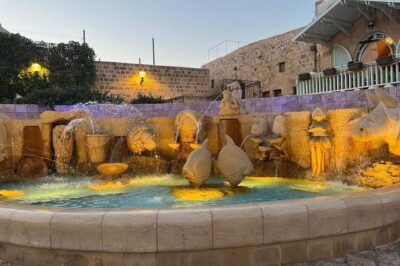
Jaffa’s port has links to Phoenician, Roman, Crusader, and Pharaonic periods. The tour points out the gateway associated with a Pharaonic governor’s palace, old archaeological remains, winding lanes, and the historic port. You can also expect stories connected with the city’s long religious and commercial past.
I like beginning here because the setting gives you a useful frame for Tel Aviv. Jaffa is not simply an old quarter attached to a modern city. It is a much older settlement with its own port, churches, stone buildings, and art scene. Your guide can explain how the two places came to be viewed together as Tel Aviv-Jaffa.
The first Jaffa visit is listed at about an hour, with no separate admission charge. Wear shoes suited to uneven streets and expect some walking. The physical demand is described as moderate, but the route includes old lanes and several stops on foot.
The Ilana Goor Museum and St. Peter’s Church
The Ilana Goor Museum occupies one of the most striking buildings in Old Jaffa. The museum entrance is included, and the scheduled visit lasts about 30 minutes.
The appeal is partly the building itself. The museum is presented as one of the most interesting structures in Jaffa, so this is not just a quick art stop added to fill time. It gives the tour an indoor change of pace after the streets and ruins, while also connecting Jaffa’s old architecture with its modern art identity.
Next comes St. Peter’s Church, with another 30-minute stop. The church is important to the Christian world and has an unusual orientation, facing west toward Rome rather than east toward Jerusalem. That detail alone makes it worth hearing about on site, especially if religious architecture interests you.
The church visit is free, but the schedule is tight. If you want quiet time for prayer, careful photography, or a long look at the interior, tell your guide early. This is a private tour, but private does not mean every stop can expand without affecting the rest of the day.
Other old-quarter walks in Tel Aviv:
- Tel Aviv Jaffa Guided Bike Tour
★ 4.5 · 178 reviews - Tel Aviv: Jaffa Half-Day Walking Tour
★ 4.5 · 70 reviews - Tel Aviv: Jaffa & Carmel Market Walking Tour
★ 4.7 · 60 reviews
From the American Colony to Rothschild Boulevard
The route then moves into Tel Aviv, beginning with the American Colony Quarter. The stop is short, about 15 minutes, but it offers a different architectural story.
The quarter preserves wooden houses brought by early settlers from the State of Maine in the nineteenth century. These homes look out of place beside Tel Aviv’s later buildings, which is exactly what makes the stop useful. You get another layer of the city’s past before reaching the grander central streets.
Rothschild Boulevard receives about 30 minutes. It was once the only street in the new Tel Aviv and is now one of the city’s main avenues, lined with restaurants, shops, and historic buildings.
This is a good place to connect city planning with daily life. You are not only looking at old façades. You are seeing a central street still used for eating, shopping, walking, and meeting friends. I would use this stop to ask your guide how Tel Aviv grew from a new neighborhood beside Jaffa into a major city.
One practical point comes from the experience’s private format. A past booking included a request to stop for a quick purchase, but the guide wanted to keep the outing focused on history. If shopping matters to you, say so at the start and agree on what can fit. The listed tour is designed around sights and commentary, not as a dedicated shopping trip.
The White City’s Bauhaus Buildings
The White City is the architectural centerpiece of the Tel Aviv portion. Downtown Tel Aviv is recognized as a UNESCO World Heritage Site for its collection of Bauhaus and related modernist buildings.
You can expect white façades, clean lines, balconies, and a very different visual mood from Old Jaffa. The tour explains how the buildings and later construction work together across central Tel Aviv. The stop is scheduled for about an hour, which makes it one of the better opportunities to slow down and look carefully.
I especially like this part for people who want more than a list of famous places. An art historian can explain why the buildings look as they do and how architecture reflects the city’s growth. The tour description also points to the mix of Bauhaus and modern architecture, so the focus is not limited to old buildings. You see Tel Aviv as a changing city.
The White City is also where the tour can become commentary-heavy. One person who took the experience found the guide friendly and excellent but felt that the slow pace and large amount of history became a little much. If you prefer a brisk photo tour, this may feel long. If you enjoy architecture and context, the hour is a strength.
Tel Aviv’s Cultural Squares and Rabin Memorial
Two additional city stops are listed without full names in the supplied details. One is a major architectural square surrounded by the Tel Aviv Art Museum, Opera House, and Chamber Theater halls.
This gives you a look at Tel Aviv’s cultural institutions rather than only its residential streets. It is a useful counterpoint to the White City, showing how the city presents art, theater, and public architecture in a central urban setting.
The other stop is near Tel Aviv City Hall, at the site connected with the assassination of Israeli Prime Minister Yitzhak Rabin. Entrance to the Itzhak Rabin Memorial Observation Balcony is included.
This is a more serious part of the tour. It connects the city’s public spaces with a defining event in modern Israeli history. I would not treat it as a quick photo stop. Give yourself time to listen, ask questions, and understand why the site matters.
Because the tour covers ancient religious history, architecture, and modern political history in one day, its appeal depends heavily on your interests. You get a broad introduction rather than a single-topic visit.
A few more things to do in Tel Aviv worth a look
- Jerusalem Private Full Day Tour
★ 5.0 · 110 reviews - Exclusive Private Tour in The Israel Diamond Exchange
★ 5.0 · 60 reviews - Tel Aviv Airport (TLV) to Tel Aviv Hotels – Private Transfer
★ 4.0 · 59 reviews - Private Tour: Best of Jerusalem and the Dead Sea from Tel Aviv
★ 4.5 · 53 reviews
Sarona Brings the Tour Into the Present
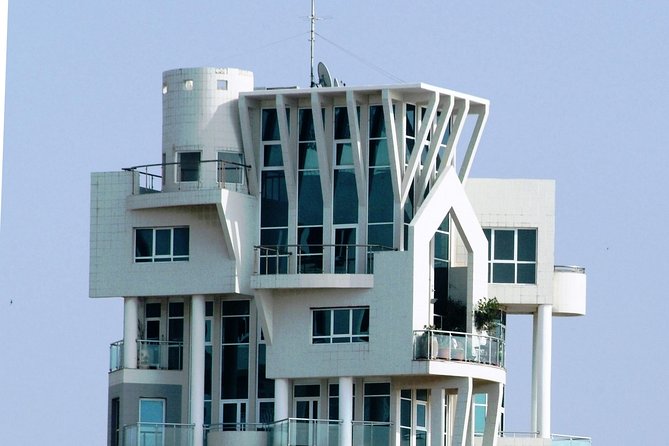
Sarona is listed as a one-hour stop and is described as a historic German colony. Its earlier buildings now sit within one of Tel Aviv’s major visitor areas.
This is where the tour shifts from old streets and formal landmarks toward restaurants, shops, and present-day city life. The historical German Colony gives Sarona a distinct starting point, while its current use shows how Tel Aviv reworks older districts for modern purposes.
Admission is not included here, although the tour itself does not specify a separate entry ticket for the stop. Lunch is also not included. If you want to eat at Sarona, you will need to account for both time and cost, and any meal may reduce the minutes available for another sight.
A full hour here can be valuable if you like food and urban renewal. It may feel less important if your main goal is archaeology or architecture. Tell your guide what interests you most so you can make sensible choices when the schedule tightens.
The Port and Nahalat Benyamin Add Street Life
The overview also includes the remodeled Tel Aviv port, with cafés, bars, and shops along the waterfront. It is a welcome change after the denser historical material.
The port gives you room to see how Tel Aviv uses the sea as part of its public life. You can stroll, take in the waterfront, and get a feel for the city beyond museums and monuments. The exact amount of time is not stated, so this may be one of the places that depends on the day’s pace.
Nahalat Benyamin street market adds another local angle. Its colorful stalls are a chance to browse art and handmade goods rather than simply pass through a major landmark. If you like small purchases, this is one of the best places to raise the subject with your guide.
Still, the schedule is ambitious. Jaffa alone includes several stops, and the central Tel Aviv section includes architecture, memorials, Sarona, the port, and the market. You should see the tour as a broad introduction, not a leisurely full-day exploration of every district.
How the Private Price Works
The listed price is $1,099 per group of up to four people. At the maximum group size, that works out to about $275 per person. For one or two people, the per-person cost is much higher.
That price makes the most sense for a small group that values a private vehicle, hotel pickup and drop-off, and direct access to a guide. You are paying for a tailored day rather than a seat on a large coach. A private group can also ask questions freely and may be able to adjust the emphasis, even though the number of scheduled sights means flexibility is not unlimited.
The package includes a professional art historian guide, the private tour, pickup and drop-off from a Tel Aviv hotel, the Ilana Goor Museum, and the Itzhak Rabin Memorial Observation Balcony. Lunch is extra, and admission to Sarona is not included.
The tour is described in different places as roughly four to five hours. The scheduled stops add up to close to five hours before allowing for driving, pickup, or delays. I would plan for the longer estimate and avoid booking a tight afternoon commitment.
What to Know About the Guide and Pace
Levi Zelkind is the guide named in the available information, and the experience may be led by him. He is praised for strong explanations of Tel Aviv and Jaffa, clear historical context, and a comfortable modern SUV. The format is a walking and driving tour, with a good amount of walking despite the vehicle.
That combination is useful. You can cover Jaffa, central Tel Aviv, Sarona, and the waterfront without spending the whole day on foot. At the same time, the vehicle does not remove the need for comfortable shoes or moderate fitness.
The strongest praise centers on the guide’s ability to explain the history and meaning behind the sights. That matters here because the tour crosses several periods and subjects. You are not just seeing a church, a boulevard, or a white apartment building. You are being asked to connect each place with a larger story.
The main point to manage is pace. Some people will appreciate the detail, while others may find the explanations long. Set expectations at the beginning. Tell your guide if you want more time for photos, shopping, or quiet visits, and ask which stops are most important if time runs short.
Who Should Book This Tour
I would choose this experience if you have limited time in Tel Aviv and want one private introduction to both Jaffa and the newer city. It suits couples, families, or friends traveling together, especially when four people can share the group price.
It is also a good fit if you care about architecture, art, religion, and Israeli history. The art historian background is most valuable in the White City, the Ilana Goor Museum, and the cultural districts.
I would hesitate if you want a slow food tour, a dedicated shopping outing, or a relaxed day at the beach. The program covers many subjects, and lunch is not included. I would also think twice if you dislike long explanations or prefer to explore independently.
FAQ
Where does the tour take place?
The tour takes place in Tel Aviv and Old Jaffa, Israel. Stops include Old Jaffa, central Tel Aviv, the White City, Sarona, and other city landmarks.
How long does the tour last?
The experience lasts approximately five hours, although it is also described as a four-hour tour in the overview.
What time does the tour start?
The scheduled start time is 10:00 a.m.
Is hotel pickup included?
Yes. Pickup and drop-off from Tel Aviv hotels are included.
How many people can join the private tour?
The price covers a private group of up to four people.
Is the Ilana Goor Museum included?
Yes. Entrance to the Ilana Goor Museum is included.
Is lunch included?
No. Lunch is not included in the tour price.
What level of fitness is needed?
A moderate level of physical fitness is recommended. The experience combines driving with a substantial amount of walking.
Can I cancel for a full refund?
Yes, if you cancel at least 24 hours before the experience start time. Cancellations made less than 24 hours before the start are not refunded.
Should You Book It?
Book this tour if you want a private, history-led overview and value the ability to move between Jaffa and Tel Aviv in a vehicle. The best reasons are the ancient port, the Bauhaus White City, the art museum, and the guide’s detailed explanations.
Skip it if you want an unhurried market day or a food-focused outing. The schedule is full, the price is high for a small group of fewer than four, and the commentary may feel dense. For the right group, though, this is a useful first look at two very different sides of Tel Aviv-Jaffa.
Just added in Tel Aviv
- private Full-day Tour to Jericho + the Dead Sea★ 5.0 · 3 reviews
- VIP Tel Aviv airport Terminal 3 Fast Track Skip Line From plane★ 4.5 · 9 reviews
- Package VIP Skip Line Services in BGN Airport with Transfer to Tel aviv Hotels★ 5.0 · 3 reviews
- Private wine tour of Northern Israel★ 5.0 · 4 reviews
- Haifa Acre and Rosh Ha-Nikra Private Tour from Tel Aviv★ 5.0 · 5 reviews
- Israel Holy Land Christian Tour Package 7 days – Private Tour Package★ 5.0 · 31 reviews
- Jerusalem and Dead Sea Trip from Tel Aviv★ 4.0 · 6 reviews
- Tel Aviv & Old City of Jaffa – Tiny group from Tel Aviv★ 4.5 · 9 reviews
Jaffa & Old Port Tours, compared.


Jaffa: Old City, Port & Shuk Hapishpishim Walking Tour
Read our review →
Browse the lists this tour appears in