
Reviewed · JAFFA & OLD PORT TOURS
Private Tour in Jaffa, Tel Aviv
Jaffa gives this private tour its strongest start: an old port shaped by Egyptians, Romans, Muslims, Crusaders, Napoleon, the British, and Jewish residents. I like the way the day connects that long story to Neve Tzedek’s restored lanes and Tel Aviv’s Bauhaus streets, rather than treating each stop as a separate sight.
I also like the private format, since your guide can adjust a morning or afternoon departure and explain the city at your pace. The main drawback is the price: $525 for up to three people is fair for a private six-hour outing, but taxis between sites, meals, and drinks cost extra. One guest praised the guide’s fluent English and strong command of the subject, while another felt the political discussion ran too long, so you should expect some modern history alongside the architecture.
Key points to know before booking
- Jaffa is the historical anchor: Allow two hours for the old port, churches, alleys, and stories tied to Peter, Napoleon, and many ruling powers.
- The route links five districts: You move from Jaffa to Neve Tzedek, Rothschild Boulevard, the White City, and Sarona.
- The group is private: Only your party participates, with up to three people included in the $525 rate.
- Hotel pickup starts the day: A professional guide and taxi ride from your hotel to Jaffa are included.
- Transport later is separate: You may need taxis between stops, so keep some room in your budget and schedule.
- Sarona is the finish: Plan to eat or browse there after the guided portion, since food and drinks are not included.
Jaffa: two hours in a port with many owners
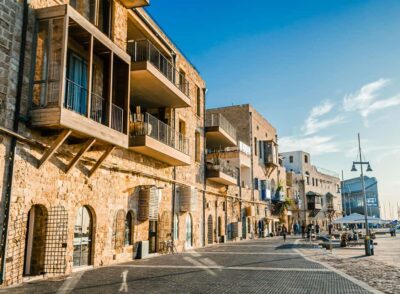
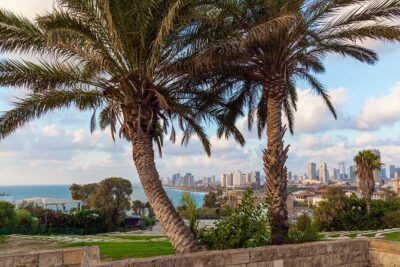
Jaffa is not just a photogenic old quarter beside the sea. It is one of the world’s oldest working ports, and its story has been claimed, shaped, and rebuilt by a long list of powers.
Your guide begins here with roughly two hours on foot. You can expect an overview of Egyptian, Roman, Muslim, Crusader, French, British, and Jewish control. Napoleon appears in the story, as do the British and the modern return of Jewish administration. That broad sweep helps you read Jaffa as a meeting point rather than a single-period monument.
The tour also ties Jaffa to religious and Jewish history. According to the route’s historical focus, Peter set out from Jaffa to spread Christianity westward. In the late 18th century, Jewish residents moved north from Jaffa and began establishing Jewish neighborhoods that later formed part of Tel Aviv’s story.
I like this opening because it gives the rest of the day a useful frame. You are not simply moving from old stone to newer streets. You are watching the city shift north, change hands, and rebuild itself around new communities.
The admission cost at this stop is free, but the walking matters. Wear comfortable shoes, and remember that the full tour lasts about six hours. If you are hoping for a slow morning with long pauses for coffee or photography, tell your guide early. The private setup gives you more room to adjust than a large group tour.
Other old-quarter walks in Tel Aviv:
- Tel Aviv Jaffa Guided Bike Tour
★ 4.5 · 178 reviews - Tel Aviv: Jaffa Half-Day Walking Tour
★ 4.5 · 70 reviews - Tel Aviv: Jaffa & Carmel Market Walking Tour
★ 4.7 · 60 reviews
Neve Tzedek: from marginal district to high-priced address
The next major stop is Neve Tzedek, the first Jewish neighborhood established outside Jaffa. The route gives you about an hour and a half here, enough time to discuss both its beginnings and its striking modern change.
Neve Tzedek began as a poor 19th-century district that was close to being erased. Today, it is a fashionable area filled with boutiques, cafes, restaurants, fashion shops, and jewelry stores. The neighborhood is now associated with extreme wealth, including more than a dozen billionaires.
That contrast is the point. You can see how restoration and rising property values changed the area’s social character. The tour treats Neve Tzedek as a clear example of gentrification, so this is more than a pleasant walk through attractive streets.
I find this stop useful for anyone interested in how cities reuse old neighborhoods. You get the polished storefronts, but you also get the reminder that preservation can bring higher prices and a different population. Your guide can help connect the physical setting to the people who once lived there and the owners who live there now.
Food is not part of the tour price, even though cafes and restaurants are found in the neighborhood. I would treat Neve Tzedek as a place to look and listen rather than assume you will have a full meal here, since the day ends at Sarona Market and the timing between stops may vary.
Rothschild Boulevard: the beginning of Tel Aviv
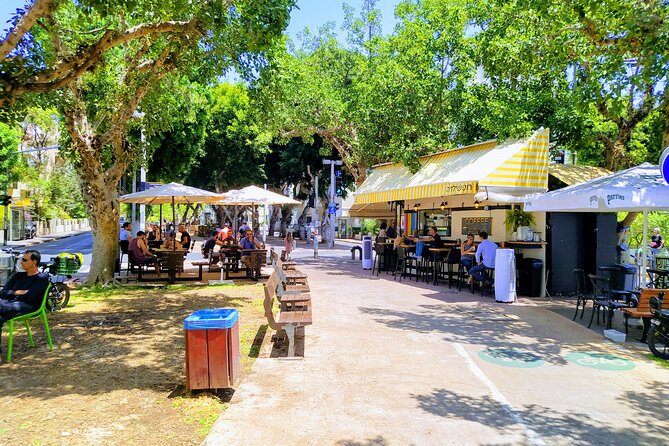
Rothschild Boulevard shifts the story from neighborhood growth to planned urban life. You spend about an hour learning how early Tel Aviv developed after several small districts had already been built.
In 1909, affluent Jewish residents, many from Eastern Europe, wanted better services and a more orderly setting. They built a neighborhood with electricity, running water, and a sewage system. That neighborhood was first called Ahuzat Bayit, then renamed Tel Aviv the following year.
This is a helpful place to understand Tel Aviv as a new city, not merely an extension of Jaffa. The boulevard represents a desire for modern infrastructure and a distinct Jewish urban center.
The private guide format is useful here because the details can otherwise blur together. I would ask your guide to keep the timeline clear: Jaffa came first, Jewish neighborhoods grew northward, Ahuzat Bayit followed, and the name Tel Aviv soon took hold.
There is no admission charge for this stop. You should still expect walking and some outdoor exposure. Morning and afternoon departures are available, and the ability to select a time is valuable if you are fitting this tour around a flight, hotel schedule, or another Tel Aviv activity.
The White City: Bauhaus buildings in a UNESCO setting
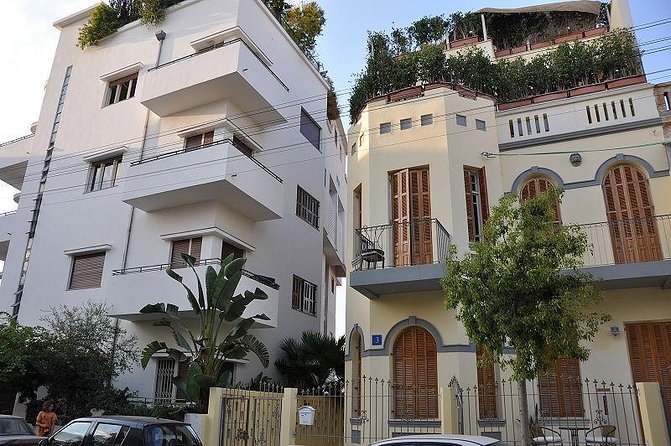
The White City portion lasts about 45 minutes. You walk through the world’s largest concentration of buildings in the International Style, a group recognized by UNESCO as a heritage site.
This part of the route is shorter than Jaffa and Neve Tzedek, but it gives the day a strong visual change. Instead of ancient port walls and restored low-rise lanes, you are looking at 20th-century design and the clean lines associated with Bauhaus architecture.
I like the way this stop rounds out the city’s architectural story. Jaffa shows layers built over many centuries. Neve Tzedek shows a 19th-century neighborhood altered by modern wealth. The White City shows Tel Aviv making a fresh design statement.
Do not expect a museum visit or a long indoor presentation based on the published plan. This is a walking segment, and the appeal comes from seeing the buildings in their urban setting. If architecture is your main reason for booking, tell your guide so you can give this section the attention it deserves.
The tour description does not name the individual guide in advance. One guide received strong praise for fluent English and clear explanations, which matters on a history and architecture tour with this much material. You may also want to say plainly if you prefer architecture, social history, or political history, since a private guide can shape the emphasis.
A few more things to do in Tel Aviv worth a look
- Jerusalem Private Full Day Tour
★ 5.0 · 110 reviews - Exclusive Private Tour in The Israel Diamond Exchange
★ 5.0 · 60 reviews - Tel Aviv Airport (TLV) to Tel Aviv Hotels – Private Transfer
★ 4.0 · 59 reviews - Private Tour: Best of Jerusalem and the Dead Sea from Tel Aviv
★ 4.5 · 53 reviews
Sarona: German Templars, wartime history, and a food hall finish
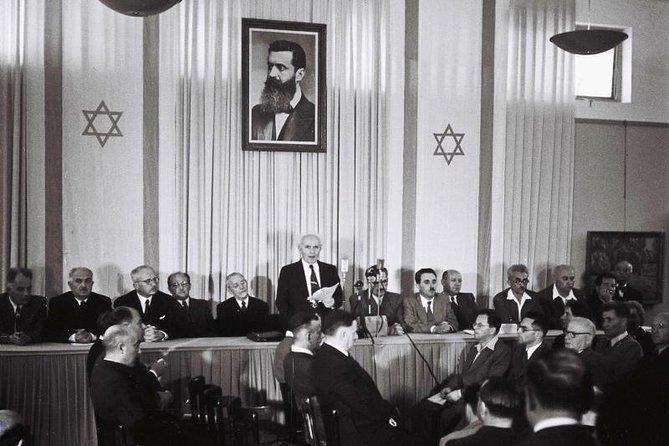
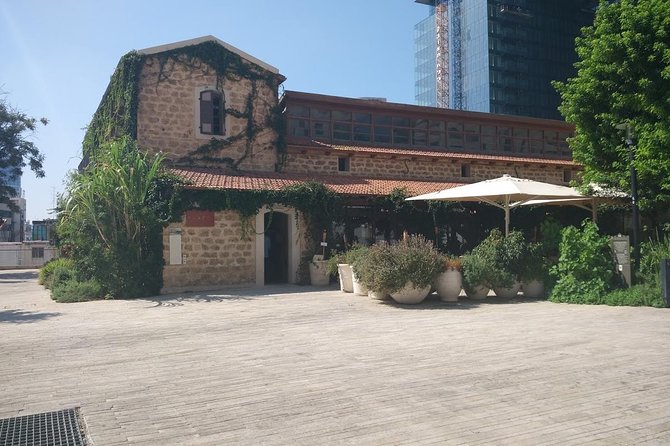
Sarona is the final stop, with about 45 minutes set aside for its story and present-day shops. It began in the second half of the 19th century as an agricultural settlement founded by German Templars.
The site took a difficult turn in the 1930s. Some German residents displayed swastika flags, creating opposition from both the British and Jewish communities. During the Second World War, most of the German residents were expelled to Australia.
In 1948, Sarona became the headquarters of the Israeli government and the Israeli army. The original buildings have since been renovated, and the area now includes boutique shops, bars, restaurants, and Sarona Market, an indoor food hall.
This is an effective final stop because it lets you end with something practical and enjoyable after a serious historical discussion. You can browse shops, choose a meal, or continue exploring on your own once the tour ends. Food and drinks are not included, so you can decide how much to spend.
I would also keep the tone of this section in mind. Sarona’s history includes uncomfortable material about Nazi sympathies and wartime expulsions. That may be important to you, but it is not a light shopping stop alone. The best use of the time is to hear the historical outline, then decide how long you want to spend at the market.
What the private format adds to the day
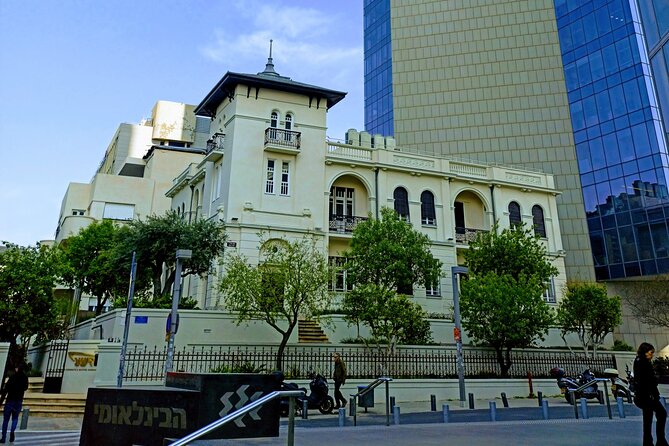
The tour costs $525 per group of up to three people. If three people share the booking, that works out to $175 each before extra taxis, food, and drinks. For one or two people, the per-person cost rises quickly, but you are paying for a private guide rather than a seat in a larger group.
The private arrangement has three clear benefits. You can choose a morning or afternoon departure, ask for clarification without waiting for a whole group, and adjust the pace within the six-hour schedule. That matters in Jaffa, where you may want more time for old-port history, and at the White City, where architecture fans may want to pause longer.
Hotel pickup to Jaffa with your guide and taxi is included. Transportation between the later attractions is not included, so you may need taxis as the route moves north through Tel Aviv. Confirm the day’s transport plan at the start, since the extra rides can affect both cost and timing.
The experience is suitable for most people, and service animals are allowed. It is near public transportation, but the included pickup makes the start simpler if you are staying at a hotel. Places of worship and selected museums may require covered knees and shoulders for both men and women. Shorts and sleeveless tops can lead to refused entry, so dress with that rule in mind even if the weather is warm.
The guide’s style and the political history question
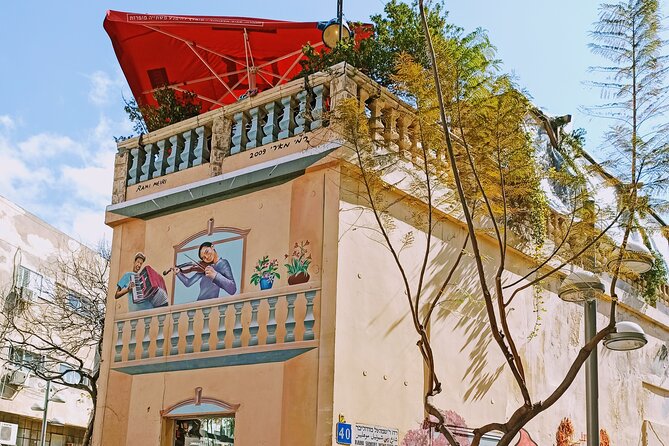
A guide makes or breaks a history tour. The strongest feedback here points to fluent English, clear delivery, and a good grasp of the material. Since no guide’s name is supplied in advance, I would not book this expecting a particular named person.
You should also know that modern political subjects may enter the day. One person found the guide spent 25 minutes or more discussing United Nations resolutions near Independence Hall and felt that this became a lecture rather than sightseeing. That is a specific caution, not a reason to reject the entire experience, but it tells you to set expectations.
If you want politics included, you may appreciate the added context. If you mainly want architecture, port history, and food-market time, say so at the beginning and ask the guide to keep political discussion brief. A private tour gives you a better chance to shape that balance.
Who will get the best value from this tour
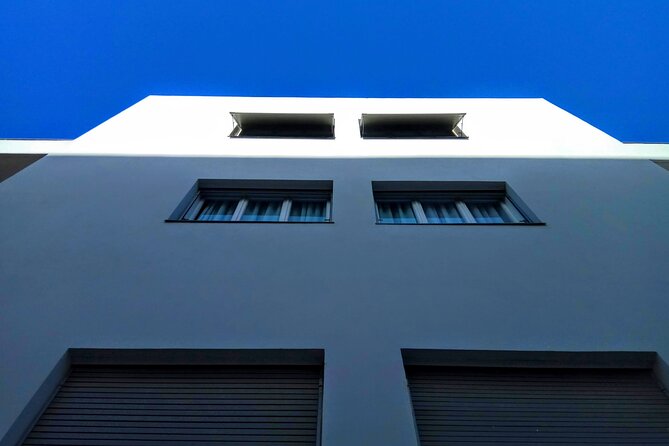
I would choose this experience if you want one guide to connect Jaffa and Tel Aviv instead of booking separate walks. It suits a couple, a family of three, or a small group that values privacy and does not want to follow a fixed large-group schedule.
It is also a good fit if you care about the link between history and urban change. The route covers old-port rule, Jewish neighborhood growth, gentrification, early infrastructure, International Style buildings, German Templar settlement, and modern food culture.
I would think twice if you want a food tour, because meals and drinks are not included and Sarona is the only planned food-focused finish. I would also think twice if you dislike walking or prefer a museum-heavy day. The plan is built around districts, streets, and outdoor interpretation.
Free cancellation is available when you cancel at least 24 hours before the start time. Cancellations within 24 hours are not refunded, and changes in that period are not accepted. Confirmation is normally sent at booking, though bookings made within seven days of travel may take up to 48 hours, subject to availability.
Should you book the Jaffa and Tel Aviv private tour?
I would book it for a first visit when you want a fast but meaningful overview of how Jaffa became part of modern Tel Aviv. The route has a good shape: ancient port, restored Jewish neighborhood, early city boulevard, UNESCO-listed architecture, and a former German settlement now used for food and shopping.
The value is strongest with three people sharing the cost and with a guide who follows your interests. Ask at the start for a clear balance between archaeology, architecture, immigration, and current politics. If you do that, the tour can give you both useful context and a convenient introduction to several parts of the city in one day.
FAQ
How long does the private tour last?
The tour lasts approximately six hours. The planned stops total about five hours, with the remaining time allowing for transfers and the movement between areas.
How many people can join the private tour?
The price covers one private group of up to three people. Only your group participates.
Is hotel pickup included?
Yes. A professional guide and taxi transportation from your hotel to Jaffa are included.
Is transportation between all the stops included?
No. Transportation to and from the attractions is not included after the initial hotel transfer. You can take taxis between sites.
Are food and drinks included?
No. Food and drinks are not included. The tour ends at Sarona Market, where you can buy a meal or browse the food options yourself.
Can I choose a morning or afternoon departure?
Yes. Morning and afternoon tours are available, and the private format allows the schedule to be customized.
What should I wear for places of worship and selected museums?
Knees and shoulders must be covered for both men and women. Shorts and sleeveless tops are not allowed in places that enforce this dress code.
What is the cancellation policy?
You receive a full refund if you cancel at least 24 hours before the experience start time. Cancellations or changes made within 24 hours are not accepted for a refund.
Just added in Tel Aviv
- private Full-day Tour to Jericho + the Dead Sea★ 5.0 · 3 reviews
- Private wine tour of Northern Israel★ 5.0 · 4 reviews
- VIP Tel Aviv airport Terminal 3 Fast Track Skip Line From plane★ 4.5 · 9 reviews
- Package VIP Skip Line Services in BGN Airport with Transfer to Tel aviv Hotels★ 5.0 · 3 reviews
- Haifa Acre and Rosh Ha-Nikra Private Tour from Tel Aviv★ 5.0 · 5 reviews
- Israel Holy Land Christian Tour Package 7 days – Private Tour Package★ 5.0 · 31 reviews
- Jerusalem and Dead Sea Trip from Tel Aviv★ 4.0 · 6 reviews
- Tel Aviv & Old City of Jaffa – Tiny group from Tel Aviv★ 4.5 · 9 reviews
Jaffa & Old Port Tours, compared.


Jaffa: Old City, Port & Shuk Hapishpishim Walking Tour
Read our review →
Browse the lists this tour appears in