
Reviewed · CITY TOURS
Jerusalem: Best of Jerusalem Day Tour
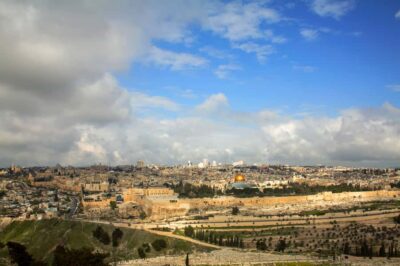
Jerusalem packs several thousand years of sacred places, stone lanes, city streets, and food stalls into one demanding day. This tour moves from Jaffa Gate and the Old City to the Western Wall, Via Dolorosa, Church of the Holy Sepulchre, Jaffa Street, Nahlaot, and Mahane Yehuda Market.
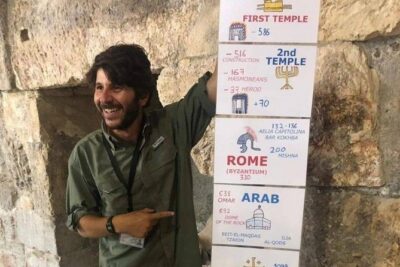
I like the clear contrast between old and new Jerusalem, and I like having a local guide explain how the city matters to several faiths. The guide named Gavri made a strong impression by connecting the sights with stories, history, and time for shopping and food.
The main catch is the pace. You may walk close to 10 kilometers, climb many stairs, and spend only a short time at major holy sites. This works best for active sightseers, not for a slow pilgrimage.
Key points to know before you book
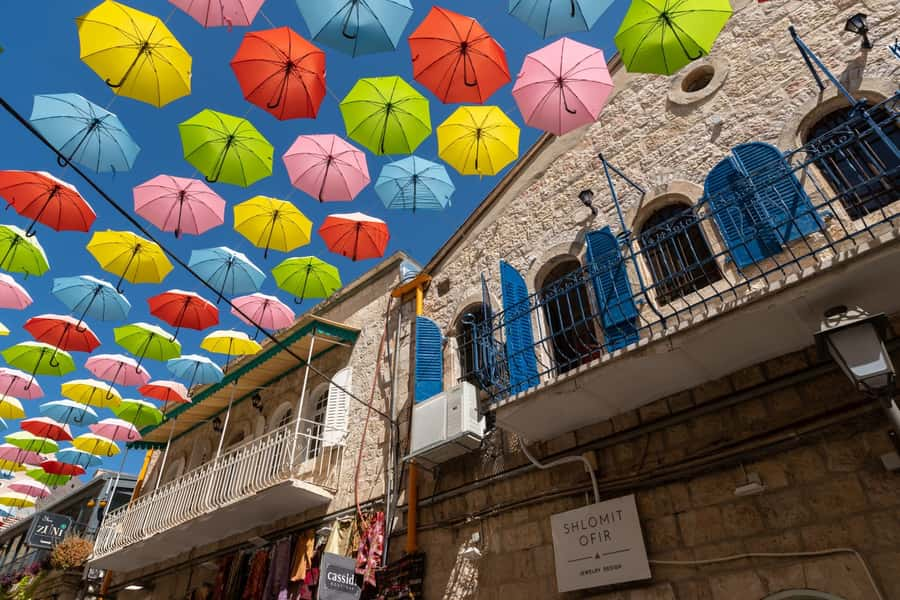
- Jaffa Gate is the opening chapter: You enter the Old City through one of its best-known gates and begin with the ancient quarters.
- The holy sites come quickly: The Western Wall, Via Dolorosa, and Church of the Holy Sepulchre fit into a fast-moving Old City visit.
- Modern Jerusalem gets real time: Four hours are set aside for streets and neighborhoods beyond the walls, including Jaffa Street and Nahlaot.
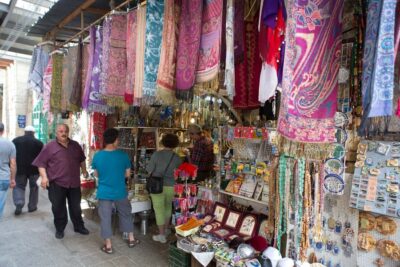
- Mahane Yehuda adds local flavor: You finish among food stalls, shops, and the everyday life of Jerusalem’s market district.
- Walking is serious: Stairs, slopes, and roughly 10 kilometers on foot make good shoes and modest clothing essential.
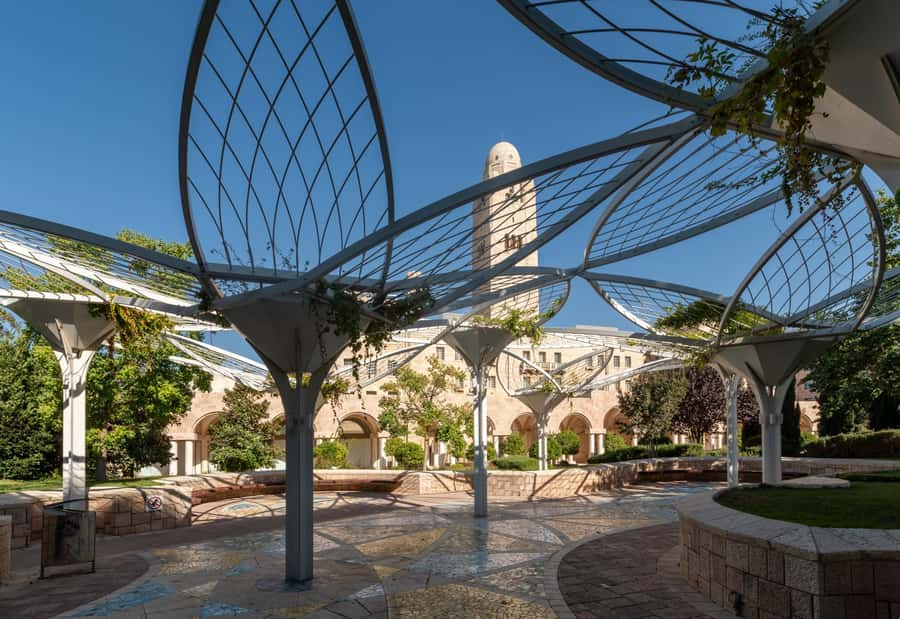
- Saturday changes the ending: When Mahane Yehuda is closed, the route shifts to Sultan Pool, Mishkenot Sha’ananim, the Old Windmill, the YMCA, and the Russian Compound.
From the David Citadel Hotel to Jaffa Gate
Your day begins in front of the David Citadel Hotel. Look for a guide holding an orange Tourist Israel sign. The stated tour language is English, and the experience includes a hand-picked local guide rather than a self-guided route through the city.
That meeting point is useful if you are staying near central Jerusalem, but you should allow time to find the exact spot in front of the hotel. The tour then heads toward the Old City and enters through Jaffa Gate.
Jaffa Gate is a sensible starting point because it quickly gives you the basic shape of Jerusalem. From here, you move into a maze of quarters, lanes, stairways, shops, courtyards, and religious sites. A guide helps you understand what you are seeing instead of leaving you with a blur of old stones and busy passages.
One particularly helpful detail is the attention given to the Old City gates. The guide named Gavri was praised for explaining the different gates, which is the kind of small orientation that makes the rest of the walk easier. Jerusalem can feel confusing at first. Knowing where you entered and how the walls connect gives you a better sense of direction.
A few more things to do in Israel worth a look
- Full Day City Tour of Jerusalem
★ 4.1 · 367 reviews - Jerusalem Half-Day Sightseeing Tour
★ 3.9 · 177 reviews - Private Tour: Best of Jerusalem and the Dead Sea from Tel Aviv
★ 4.5 · 53 reviews
Three hours inside the Old City
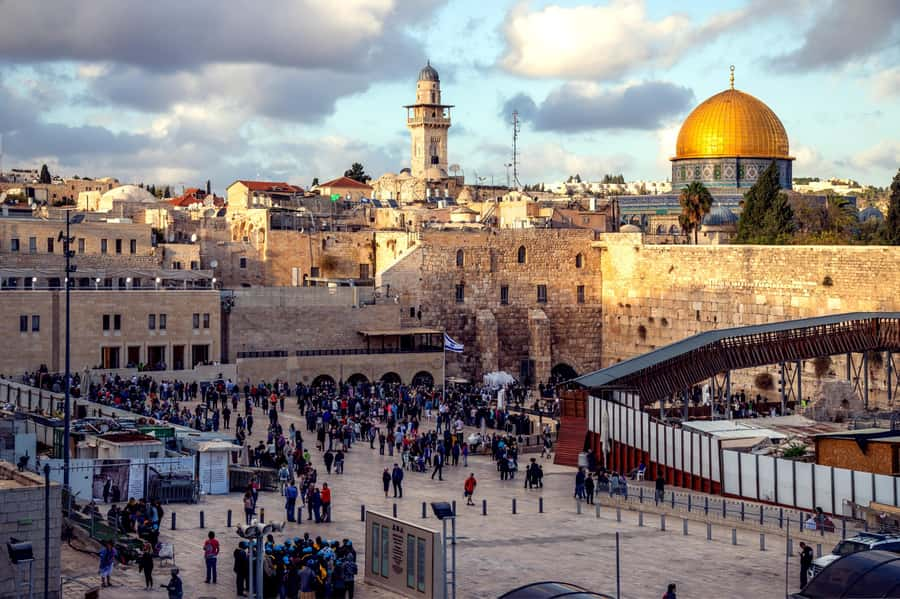
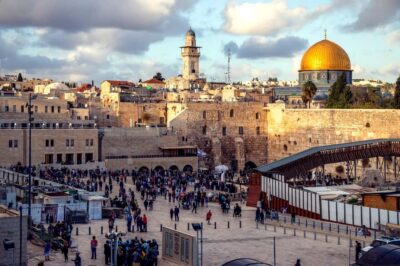
The first main section lasts about three hours. That sounds generous until you consider the number of places packed into it. The Old City visit includes the Western Wall, the Via Dolorosa, and the Church of the Holy Sepulchre, along with the surrounding quarters.
You will walk through several parts of the Old City rather than focus on one religious tradition. That broad approach is one of the tour’s strengths. Jerusalem is important to Judaism, Christianity, and Islam, and the route presents the city as a place where those traditions meet, overlap, and sometimes clash.
The Western Wall
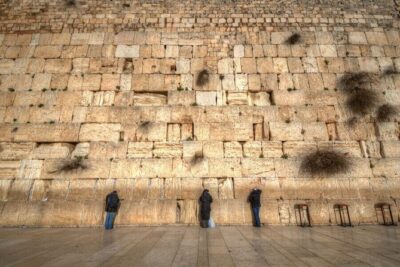
The Western Wall is likely to be one of the first major stops. It is an active place of prayer, so you should dress with care and follow the guide’s instructions about respectful behavior.
The tour information says the guide may help you place written notes in the wall. That practical touch can make the visit feel more personal, especially if you have never been there before. You can also ask questions as you go, and one guide was praised for taking pictures with visitors’ own cameras. Do not assume every guide will provide the exact same service, but it is worth asking politely if you want a photo.
Give yourself a moment to look beyond the famous view. The value here is not only the wall itself. It is the chance to watch a living place of worship while learning why this small section of Jerusalem carries such weight.
The Via Dolorosa
The Via Dolorosa brings the Christian story into the walk. You follow a route associated with the final hours of Jesus, moving through the Old City’s narrow streets and changing levels.
This is not a quiet, private pilgrimage route. It is part of a working city, with shops, people, and other groups moving through the same lanes. The tour gives you context and a clear route, but the pace means you may not have long to pray at each station or stop for personal reflection.
That distinction matters. If you want to cover the main route and understand its place in Jerusalem, this format is useful. If you want to linger at every station, attend a service, or follow a line into a specific chapel, you may need a separate visit later.
Same base, a different sort of day:
- From Tel Aviv: Masada & Dead Sea Full Day Tour with Pick Up
★ 4.5 · 1,496 reviews - From Tel Aviv: Jerusalem and Bethlehem Guided Day Trip
★ 4.3 · 1,316 reviews - Masada and the Dead Sea Day Trip from Tel Aviv
★ 4.5 · 1,014 reviews - Tel Aviv: Jerusalem, Bethlehem & Dead Sea
★ 4.0 · 881 reviews
The Church of the Holy Sepulchre
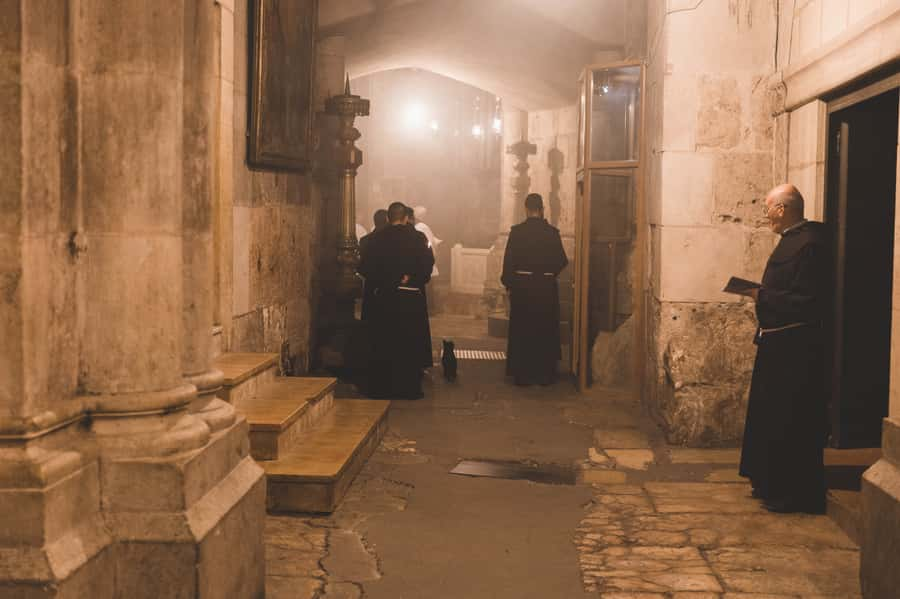
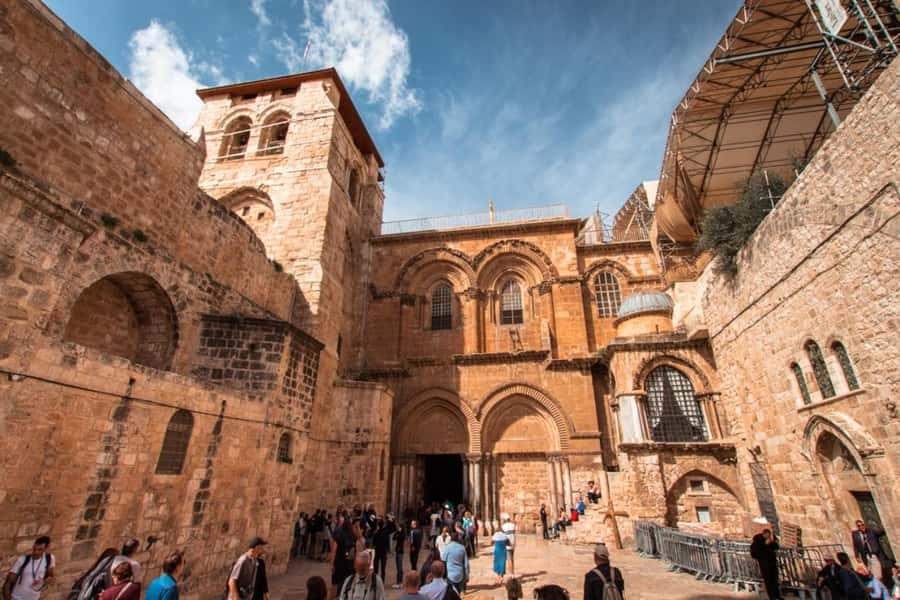
The Church of the Holy Sepulchre is one of the most important stops of the day. It is associated with the crucifixion and resurrection of Jesus and contains several sites of significance within a relatively small area.
The short walking distance between these locations can be surprising. The tour makes that compressed geography clear, but the visit is also where the brisk schedule matters most. You may see the key areas without having time to wait in every line or enter every part of the church.
One direct account described the church visit as a quick overview rather than a full pilgrimage experience. That is a fair warning. The guide may skip long lines to keep the day moving, which helps you see more of Jerusalem but limits your chance to enter the resurrection shrine or spend time in prayer.
For many people, seeing the church and understanding its layout will be enough for a first visit. If entering the most sacred inner spaces is central to your plans, treat this tour as an orientation, then return independently if your schedule allows.
Crossing into modern Jerusalem
After the Old City, the tour turns toward modern Jerusalem. This change is more than a shift in scenery. It shows how Jerusalem developed beyond its historic walls and gives you a look at ordinary streets, public buildings, neighborhoods, and shops.
The route includes Tzahal Square, the Municipality Complex, Jaffa Street, and Nahlaot. About four hours are assigned to this part of the day, making it a substantial section rather than a quick drive past modern buildings.
Tzahal Square and the Municipality Complex help place the Old City in the wider city. You move from ancient gates and religious sites into the civic center of Jerusalem. The guide can explain the city’s modern identity and how its public spaces relate to the older quarters.
Jaffa Street provides a useful street-level view of Jerusalem. You are no longer following only a sacred route. You are watching the city function, with people moving between neighborhoods and businesses. This is one of the tour’s better features because it prevents Jerusalem from becoming only a collection of archaeological and religious stops.
A pause in Nahlaot
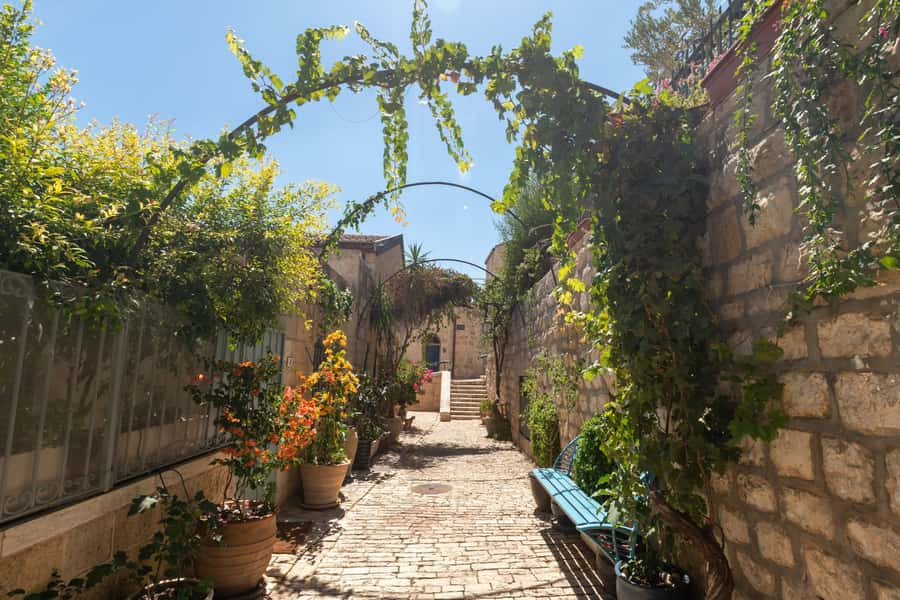
Nahlaot offers a different pace and feel from the Old City. The neighborhood is included as part of the walk toward the market, giving you a chance to see a residential side of Jerusalem.
I like this part because it breaks up the major landmark sequence. After several hours of walls, churches, prayer sites, and ancient lanes, a neighborhood walk can make the city feel more lived-in. You are still learning about Jerusalem, but through streets and local surroundings rather than headline sights.
Keep in mind that the entire route remains active. You will not suddenly have a long seated break unless the guide arranges one. Bring water and wear shoes that are comfortable on stone, pavement, slopes, and stairs.
Ending at Mahane Yehuda Market
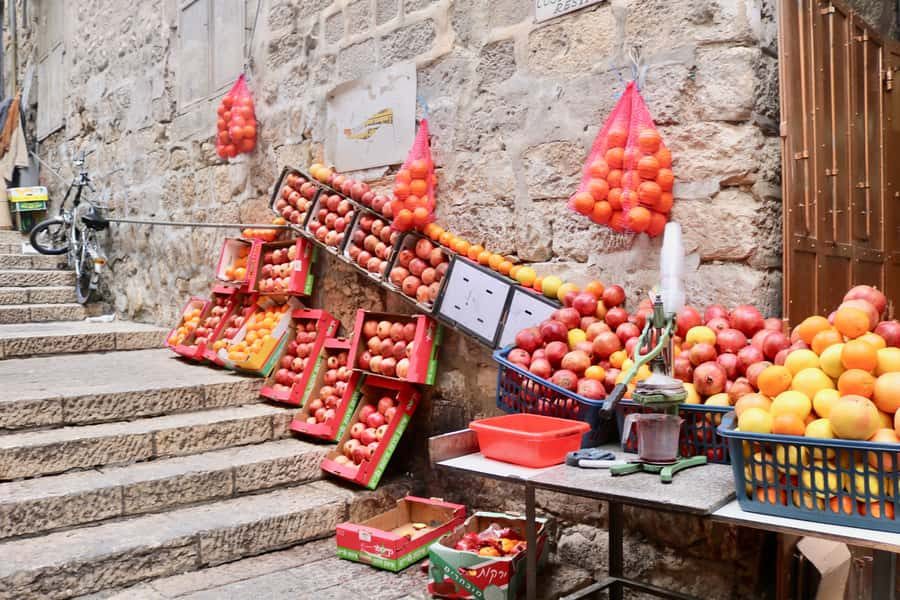
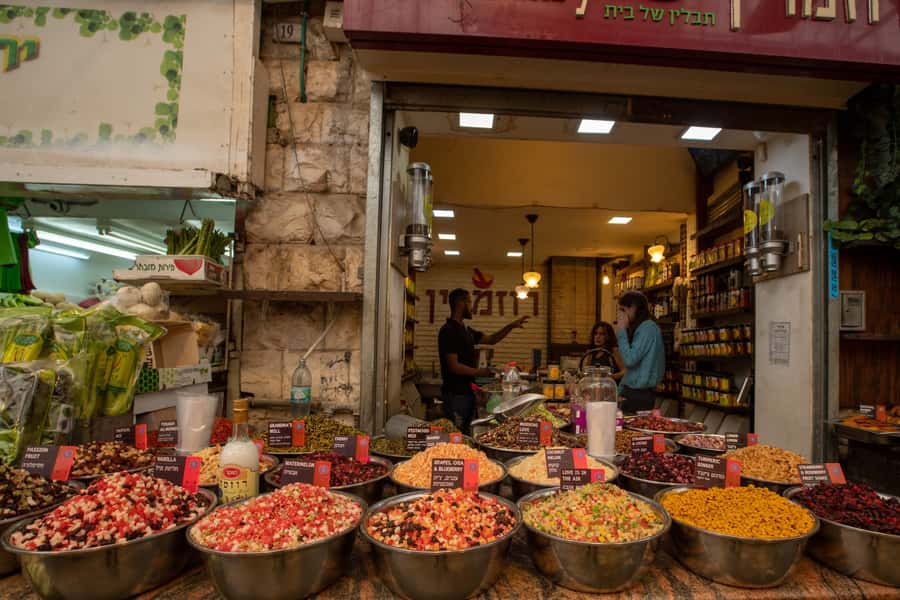
The final major stop is Mahane Yehuda Market, also known as the shuk. About two hours are planned here, which gives you enough time to look around rather than make a rushed pass through the entrance.
This is where the tour becomes especially practical for first-time visitors. You can see the food market, browse for purchases, and try to absorb the sounds and smells of central Jerusalem. The tour does not include meals or drinks, so budget separately if you want to eat or sample anything.
I would save room for a snack and ask the guide where to focus your time. The market can be distracting in the best way, with many stalls competing for your attention. The guide may also help with bargaining, an activity that one account found particularly enjoyable.
The market is also a useful ending because it gives you a more ordinary, social view of the city after the solemnity of the Old City. You finish among food, commerce, and daily routines rather than at another monument.
On Saturdays, Mahane Yehuda is closed. The route then changes to Sultan Pool, Mishkenot Sha’ananim, the Old Windmill, the YMCA, and the Russian Compound. Nearby stops can still give you a good look at Jerusalem, but do not book this tour on Saturday expecting the market experience described above.
The market can also close on holidays, so check the operating schedule when you choose your date. The route will be adjusted if needed.
How much walking should you expect?
This is a physically demanding day. The Old City includes stairs and uneven changes in level, and the full route may approach 10 kilometers. You should expect to be on your feet for much of the day.
The tour is not suitable for wheelchair users, and the information specifically warns people with limited mobility or anyone seeking a less active outing to choose another experience. Even if you are generally fit, the combination of distance, heat, crowds, and stairs can wear you down.
Wear clothing that covers your shoulders and knees. Modest dress is required at the holy sites, and this is not the day to test the rule with a short skirt or sleeveless shirt. Comfortable walking shoes, water, and a small bag are sensible choices.
The long walk is not only a drawback. It lets you see how the parts of Jerusalem connect on foot, from the Old City to modern streets and the market. Just be honest with yourself about the effort before booking.
Is $69 good value?
At $69 per person, this tour offers a lot of coverage for a full day. You receive a guide, a route through major Old City sites, a modern Jerusalem walk, and time at Mahane Yehuda. For a first visit, that combination can save you from spending your limited time figuring out the city’s layout.
The value depends on what you want from the holy sites. You are paying for broad coverage and local explanation, not guaranteed entry into every chapel or enough time for extended prayer. The tour is best understood as a guided introduction to Jerusalem’s major layers.
Meals, drinks, and personal travel insurance are not included. You should also allow extra money for food or purchases at the market. Since the schedule is listed as 10 hours, but one direct account described the day ending around 2 p.m., confirm the starting and finishing times for your date before booking. The listed walking sections add up to nine hours, with transfers and transitions making up the remaining time, but the timing deserves clarification.
Free cancellation is available up to 24 hours before departure for a full refund, and you can reserve now and pay later. Those policies give you some flexibility, but they do not change the need to plan for a long physical day.
Who will get the most from this tour?
I would choose this tour if you have one day in Jerusalem and want a broad first look. It works well if you like walking, want a guide to explain religious and civic history, and prefer to combine famous landmarks with neighborhoods and a market.
It also suits an active traveler who does not want to spend the whole day inside the Old City. The move to Jaffa Street, Nahlaot, and Mahane Yehuda makes the outing feel more balanced.
I would not choose it as my only Jerusalem experience if your main purpose is pilgrimage. The holy sites receive attention, but the schedule may not leave enough time for queues, worship, contemplation, or detailed exploration inside the Church of the Holy Sepulchre.
The guide can make a real difference. Gavri was singled out for bringing Jerusalem’s people and past to life, while another account praised a guide called Tour Guy for finding close parking, explaining the gates, helping with notes at the Western Wall, answering questions, and taking photos. These details suggest a hands-on guiding style, though the exact guide depends on your departure.
Should you book it?
Book this tour if you want maximum city coverage in one active day. You will see the Old City’s central landmarks, learn how modern Jerusalem fits around it, walk through Nahlaot, and end at one of the city’s best-known markets.
Skip it if you want a slow religious visit or dislike long walks and stairs. For many people, the best plan is to use this outing as a strong introduction, then return on another day to the Church of the Holy Sepulchre or Western Wall with more time.
FAQ
Where does the tour begin?
Meet in front of the David Citadel Hotel. Your guide will carry an orange sign marked Tourist Israel.
What language is the tour conducted in?
The live guided tour is conducted in English.
How long does the tour last?
The advertised duration is 10 hours. One direct account described the tour ending around 2 p.m., so confirm the exact start and finish times for your date.
What places are visited in the Old City?
The route includes the Old City quarters, the Western Wall, the Via Dolorosa, and the Church of the Holy Sepulchre.
Is Mahane Yehuda Market included?
Yes. The route normally ends with a visit of about two hours to Mahane Yehuda Market.
What happens if Mahane Yehuda Market is closed?
The route is adjusted. On Saturdays or holidays, the tour may visit Sultan Pool, Mishkenot Sha’ananim, the Old Windmill, the YMCA, and the Russian Compound instead.
Are meals and drinks included?
No. Meals and drinks are not included, so plan to pay separately for food and beverages.
What should I wear?
Modest dress is required at the holy sites. Wear clothing that covers your knees and shoulders.
Is the tour suitable for people with limited mobility?
The tour is not suitable for wheelchair users. It includes extensive walking, slopes, and several sets of stairs, especially in the Old City.
Just added in Israel
- A Day of Spiritual Discovery in the Upper Galilee★ 5.0 · 7 reviews
- Tour The Mystical City Of Safed★ 5.0 · 11 reviews
- Galilean Cooking Workshop 2-4 particpants★ 5.0 · 27 reviews
- Kabbalah Heritage Walk★ 5.0 · 23 reviews
- Sea of Galilee – Off the Beaten Track★ 5.0 · 3 reviews
- private Full-day Tour to Jericho + the Dead Sea★ 5.0 · 3 reviews
- Druze Culinary Tour of the Western Galilee★ 5.0 · 6 reviews
- VIP Tel Aviv airport Terminal 3 Fast Track Skip Line From plane★ 4.5 · 9 reviews
City Tours, compared.
Private Tour: Best of Jerusalem and the Dead Sea from Tel Aviv
Read our review →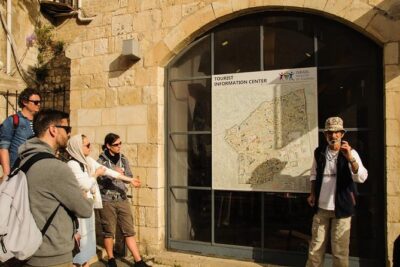

Browse the lists this tour appears in