
Reviewed · JAFFA & OLD PORT TOURS
Tel Aviv: 2-Hour Jaffa Flea Market Tour with Tastings
Jaffa’s flea market is more than a place to browse old lamps and secondhand goods. It is a living food map of Israel, where Libyan kuskus, Turkish flavors, North African cooking, Balkan dishes, Eastern European traditions, and modern Israeli ideas meet within a few streets. This two-hour tour gives you a useful way into that mix, with tastings built around the market and its long story.
I like two things right away: the food has a clear cultural purpose, and the guide connects each bite to Jaffa’s neighborhood, politics, and past. I also like the range, from Middle Eastern baked goods and local craft beer to newer versions of familiar Israeli dishes.
The main consideration is the $88 price for two hours. That can be fair if the tastings are generous and you value the guide’s interpretation, but it is more than a simple market walk. The tour also requires at least six registered participants, so check availability before building your day around it.
Key points before you book
- A food tour across several traditions: Expect tastes linked to Turkish, North African, Balkan, Eastern European, Libyan, and Middle Eastern cooking.
- Guides who bring personality: Yan, Ohad, also called Dodo, and Orel have all led especially well-regarded tours.
- A market with two faces: Antique stalls and old trading lanes now share space with cafés, bars, delis, galleries, and design shops.
- A compact two-hour format: You get a focused introduction to Jaffa without giving up half a day.
- A group-size condition: At least six people must be registered for the tour to run.
- Simple meeting point: Meet at the entrance to the Jaffa Tourist Information Center.
Why Jaffa’s flea market makes a good food tour setting
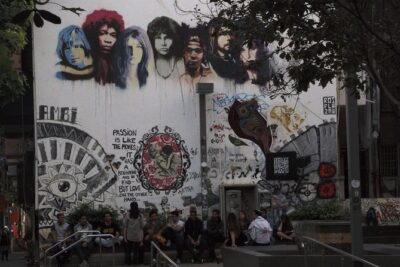
Jaffa is one of those places where the street itself helps explain the meal. The flea market dates back to the 19th century and has grown into one of Israel’s most visited spots, with an estimated three million visitors each year. Its appeal comes from the mix: old market commerce, local food, design, nightlife, and the constant movement of people through a historic neighborhood.
You are not just being taken from restaurant to restaurant. The guide uses the market as a map of Israeli food culture. That matters because Israeli cuisine is not one tidy tradition. It reflects Jewish communities from Europe and North Africa, Arab and Middle Eastern cooking, Ottoman influences, immigrant foodways, and new restaurant ideas.
The market is also useful for first-time visitors because it gives you several kinds of Jaffa in a short walk. You might pass a shop selling old household objects, then a café with a modern menu, followed by a deli or gallery. The food stops make these changes easier to understand. You are tasting the old and the new in the same neighborhood rather than studying them as separate subjects.
The setting will not feel polished or quiet. Jaffa’s flea market is a working, popular public place, and the atmosphere is part of the deal. If you want a calm sit-down meal with a fixed menu, this is not the right format. If you like street life, small discoveries, and a guide who can explain what you are seeing, the market is a strong choice.
More eating and market wandering in Tel Aviv:
- Carmel Market Tasting Tour – LocaLocal
★ 5.0 · 140 reviews - Tel Aviv: Jaffa & Carmel Market Walking Tour
★ 4.7 · 60 reviews - Tel Aviv: Carmel Market & Tel Aviv Tour with Tastings
★ 3.8 · 36 reviews
What happens during the two-hour walk
The exact order of stops can vary, but the experience is built around a series of tastings at local restaurants and food businesses. The guide leads you through the flea market, explains the area, and gives you samples that show how different communities have shaped Israeli cooking.
One stop may focus on Libyan kuskus, a dish that points to North African Jewish culinary traditions. This is one of the more useful tastings because it takes you beyond the familiar list of hummus, falafel, and shawarma. A guide can place the dish within the larger movement of Jewish communities to Israel and show how recipes changed or survived along the way.
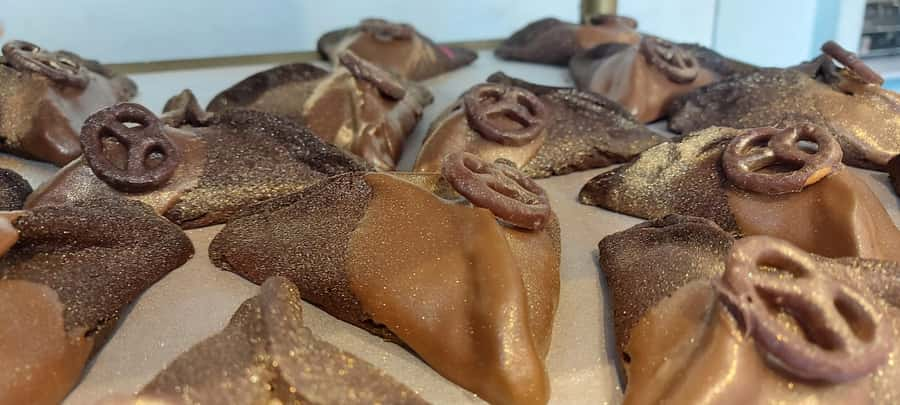
You can also expect Middle Eastern baked goods. These are valuable on a food tour because pastry often carries family and regional traditions in a very direct way. The description does not name each pastry, so you should not expect a fixed list. Think of this as a chance to taste the market’s sweet side while learning how Middle Eastern baking fits into daily life.
Local craft beer adds a different note. It gives the tour a modern Israeli angle and breaks up the heavier food. Beer also helps show how the market has changed. This is not only a place for traditional stalls and old goods. New bars and cafés have made it a social stop for a younger crowd.
The final part of the food story includes modern versions of traditional Israeli dishes. I find this contrast especially helpful. A tour that serves only heritage foods can leave you with the idea that cuisine belongs in a museum. By including newer dishes, the guide shows that food traditions keep changing.
Because the tour lasts two hours, the tastings are meant to be a sample rather than a full meal. The number and size of portions are not specified, so I would plan a light breakfast or lunch beforehand, not an empty stomach and high hopes for dinner replacement. You should leave with a sense of the area and several flavors to remember, but you may still want a proper meal later.
The guide is the key to getting value from the food
A food tour in a market can be either a useful cultural walk or a string of snacks. The guide makes the difference. Here, the strongest feedback centers on guide enthusiasm, storytelling, and the ability to explain Israeli culture through food.
Yan has been praised for bringing passion to the history, politics, and food behind the stops. That combination is important. Jaffa is not just photogenic old stone and colorful shopfronts. Its food reflects long-running questions about identity, migration, religion, and regional influence. A guide who links the plate to those subjects gives you something more lasting than a list of ingredients.
Ohad, also known as Dodo, has been described as passionate and good company. That matters in a small food tour, where you spend a lot of time walking and talking between stops. A relaxed guide can make the experience feel like an introduction from a well-connected local rather than a formal lecture.
Orel has also received strong praise, especially for guiding in German as well as English and Hebrew being listed as the tour languages. The available information does not promise a German-language tour, so ask before booking if that is important to you.
Past groups have sometimes received a more personal route when the party was small. At the same time, the current booking condition says the tour needs at least six registered participants. Group size can affect the experience, so check the confirmed arrangement and do not assume a private walk.
Food traditions you will encounter in one neighborhood
The tour’s broad food range is one of its best features. You are not tasting one regional cuisine. You are seeing how several traditions sit side by side in Israel.
Turkish influence makes sense in a city shaped by centuries of Ottoman rule. You might find flavors, cooking methods, or baked goods that point toward that past, though the supplied details do not promise a particular Turkish dish.
North African food appears through Libyan kuskus and related traditions. This is a useful reminder that Israeli food includes the cooking of Jewish families who arrived from places such as Libya and other parts of North Africa. The food may be familiar in name but less familiar in preparation.
Balkan and Eastern European traditions add another layer. These foodways are linked to Jewish communities from Europe and remain part of Israel’s culinary story. The tour presents them alongside Middle Eastern and North African dishes, which is exactly the point: Israeli food developed through contact and migration, not from one single source.
The modern dishes show where the food scene is heading now. Boutique cafés, bars, delis, and design shops have changed the market’s character. That newer side can feel very different from the old stalls, but the contrast is what makes the walk worthwhile.
I would pay attention to how the guide describes adaptation. Recipes often change when ingredients, neighborhoods, and customers change. A modern Israeli dish may borrow from older traditions without copying them exactly. That is a more honest picture of national cuisine than treating traditional food as fixed forever.
Other old-quarter walks in Tel Aviv:
- Tel Aviv Jaffa Guided Bike Tour
★ 4.5 · 178 reviews - Tel Aviv: Jaffa Half-Day Walking Tour
★ 4.5 · 70 reviews - Best of Tel Aviv and Jaffa Walking Tour – 1 Day
★ 4.5 · 53 reviews - City tour Tel-Aviv-Yafo
★ 4.5 · 34 reviews
The market setting: old stalls beside new businesses
The flea market is a place to look around as much as to eat. You will see the older side of Jaffa in its flea-market goods and long-running trading culture. You will also see newer cafés, bars, delis, galleries, and design shops drawing a different crowd.
That mix gives the tour some visual variety between tastings. You are not walking through a food hall with identical counters. The neighborhood has uneven edges, old objects, small businesses, and newer places trying out fresh ideas. The market can feel crowded and active, particularly given its popularity, so keep your attention on the guide while moving through the streets.
There is also a practical benefit to taking the tour early in your visit. Afterward, you will know which parts of the market deserve a slower look. You may spot a café or deli worth returning to, or recognize a food tradition when it appears elsewhere in Israel.
Still, do not expect a full shopping tour. The focus is food and neighborhood context. The guide may point out interesting shops or explain the market’s character, but the activity is not presented as a buying trip or a design tour.
Is $88 good value for two hours?
At $88 per person, this is a premium-priced short tour. The value depends on what you want from it. If you only want to sample inexpensive market food, you could probably spend less by eating on your own. You would not, however, receive the same organized route, cultural explanation, or chance to connect dishes across several traditions.
The price makes more sense if you treat the tour as a guided introduction to Jaffa rather than lunch. You are paying for tastings, an English- or Hebrew-speaking local guide, and the time saved by having someone select the stops and explain the area.
The strongest case for booking comes from the guides. Yan, Ohad, and Orel have been singled out for energy, care, and strong communication. One guide even adapted the route to the group’s preferences and extended the time beyond the official schedule. That should not be treated as a guarantee, but it shows the experience can be shaped by the person leading it.
The weakest case is portion uncertainty. No serving sizes or complete tasting list are provided. If you are comparing this with a large food crawl, ask yourself what matters more: several full dishes for less money, or a shorter guided explanation of Jaffa’s food and culture.
Who should take this tour?
I would recommend it to first-time visitors who want a quick, meaningful introduction to Jaffa. It also suits people who like learning through food and prefer local restaurants and market businesses to formal sightseeing.
It is a good match for curious eaters who want more than the standard Israeli-food checklist. Libyan kuskus, Middle Eastern baked goods, craft beer, and modern Israeli dishes give you a wider frame.
The tour should also work for visitors who have only a short time in Tel Aviv. Two hours is long enough to get a taste of Jaffa without consuming an entire afternoon. You can fit it into a day that includes other sightseeing, though the exact starting times depend on availability.
Families and mixed-age groups may appreciate the short length and wheelchair accessibility. The market setting may still be active and crowded, but the activity is listed as wheelchair accessible. If you have specific mobility needs, confirm the route details before booking.
I would hesitate if you want a quiet, private experience, a guaranteed full meal, or a detailed shopping itinerary. The minimum of six participants also means the group may not be tiny. And at $88, the tour needs to deliver more than food alone for you to feel satisfied.
Booking details worth checking
You meet the guide at the entrance to the Jaffa Tourist Information Center. The tour lasts two hours and is offered with a live guide in English or Hebrew.
The activity allows free cancellation up to 24 hours before the start time for a full refund. You can also reserve now and pay later, which is useful when your Tel Aviv plans are still shifting.
The tour requires at least six registered participants. Check that condition when booking, especially if the food walk is tied to a particular day or time. The tour is wheelchair accessible, but a direct question about the route is sensible if you need detailed access information.
The current rating is 4.9 from eight reviews, with repeated praise for the guides, food, and cultural explanations. That is a small sample, so I would treat it as encouraging rather than conclusive. The consistent pattern is clear, though: the guide’s personality is central to the experience.
Should you book the Jaffa flea market food tour?
Book it if you want a guided cultural tasting, not simply a cheap meal. The best parts are the range of food traditions, the link between dishes and Jaffa’s past, and the chance to see old market life beside newer cafés, bars, and design businesses.
The tour is especially worthwhile at the start of a Tel Aviv stay, when you can use the guide’s suggestions to shape later meals. Go in expecting samples rather than a guaranteed feast, and remember that the $88 price pays for interpretation as much as food.
If that sounds like your kind of afternoon, this is a strong choice. If you mainly want large portions or independent browsing, save the money and explore the market on your own.
FAQ
How long is the Jaffa flea market food tour?
The tour lasts two hours.
How much does the tour cost?
The listed price is $88 per person.
Where do I meet the guide?
Meet at the entrance to the Jaffa Tourist Information Center.
Which languages are available?
The live tour guide is available in English or Hebrew.
What food and drinks are included?
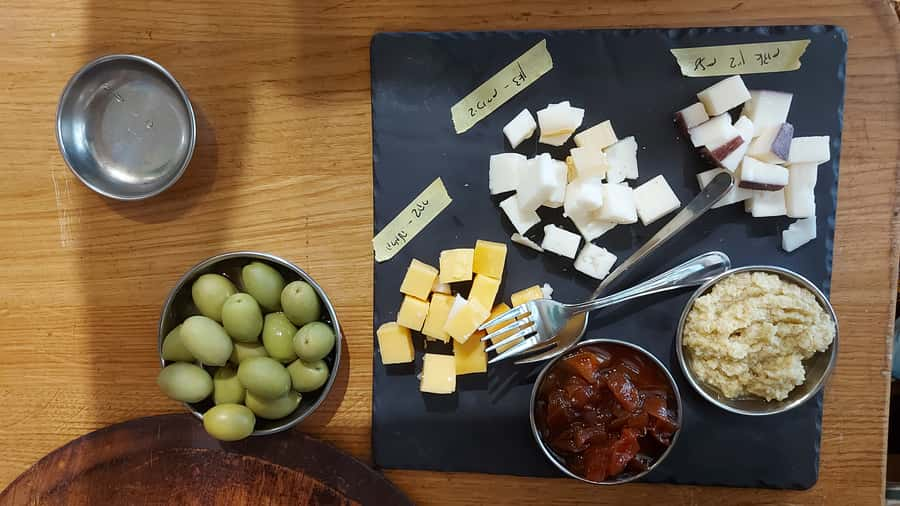
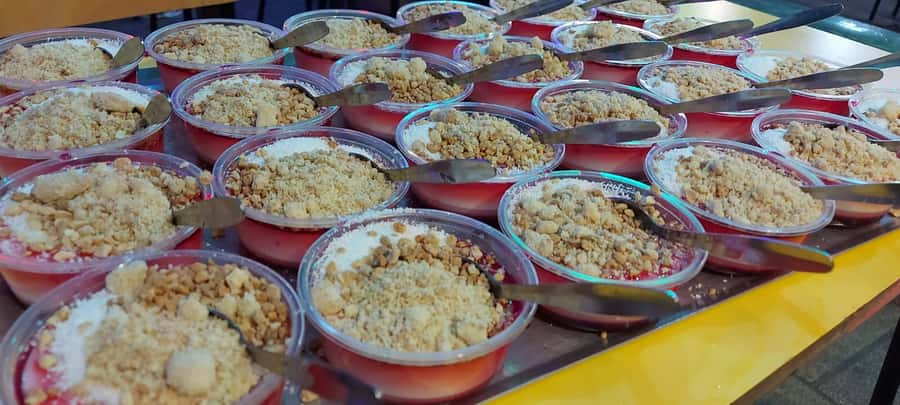
Tastings include foods such as Libyan kuskus, Middle Eastern baked goods, modern versions of Israeli dishes, and local craft beer. The exact tasting list is not specified.
Is the tour wheelchair accessible?
Yes, the activity is listed as wheelchair accessible.
Can I cancel and receive a refund?
Yes. You can cancel up to 24 hours in advance for a full refund. You can also reserve now and pay later.
More 2-Hour Experiences in Tel Aviv
- Tel Aviv: 2-Hour Levinsky Market Tour with Full Lunch
★ 4.7 · 10 reviews - Two hour guided jeep tour in to and around the Ramon crater
★ 5.0 · 45 reviews
More market and street eating in Tel Aviv
- Jaffa: Old City, Port & Shuk Hapishpishim Walking Tour
★ 4.8 · 33 reviews - Tel Aviv Food Tour of the Carmel Market
★ 4.0 · 29 reviews - Carmel Market Tasting Tour
★ 5.0 · 25 reviews - Tel Aviv: 2-Hour Carmel Market Tour in English with Lunch
★ 4.8 · 23 reviews
Just added in Tel Aviv
- private Full-day Tour to Jericho + the Dead Sea★ 5.0 · 3 reviews
- VIP Tel Aviv airport Terminal 3 Fast Track Skip Line From plane★ 4.5 · 9 reviews
- Package VIP Skip Line Services in BGN Airport with Transfer to Tel aviv Hotels★ 5.0 · 3 reviews
- Private wine tour of Northern Israel★ 5.0 · 4 reviews
- Israel Holy Land Christian Tour Package 7 days – Private Tour Package★ 5.0 · 31 reviews
- Jerusalem and Dead Sea Trip from Tel Aviv★ 4.0 · 6 reviews
- Haifa Acre and Rosh Ha-Nikra Private Tour from Tel Aviv★ 5.0 · 5 reviews
- Tel Aviv & Old City of Jaffa – Tiny group from Tel Aviv★ 4.5 · 9 reviews
Jaffa & Old Port Tours, compared.
Jaffa: Old City, Port & Shuk Hapishpishim Walking Tour
Read our review →
Browse the lists this tour appears in