
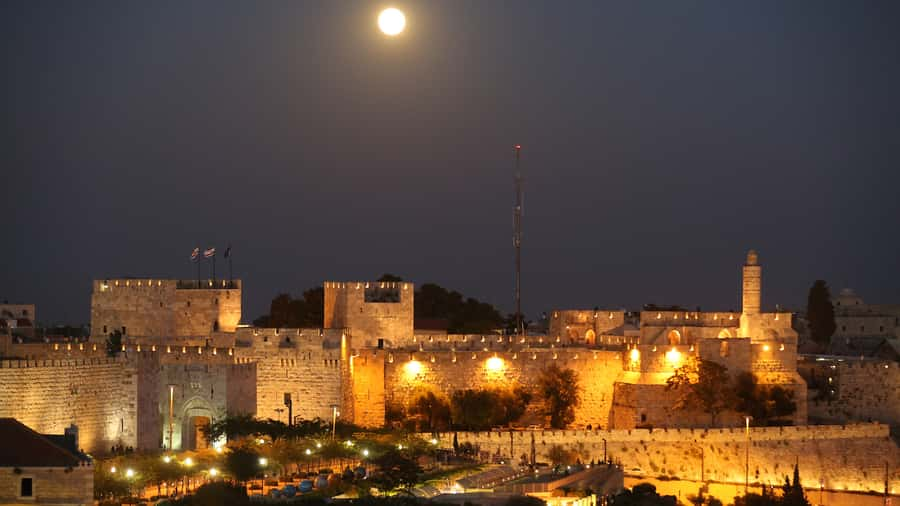
Reviewed · JERUSALEM OLD CITY TOURS
Jerusalem: 3–Hour Old City Tour in French
Jerusalem’s Old City is a place where a few minutes of walking can carry you across several thousand years. This private, three-hour route moves from Suleiman the Magnificent’s walls to the Roman Cardo, the Jewish Quarter, the Western Wall, and the Church of the Holy Sepulchre, with the stories of three major faiths along the way.
I like the private group format, which gives the guide room to explain rather than simply point. I also like the way the route links physical places to memorable figures, including King Hezekiah, the prophet Isaiah, and the Roman emperor Hadrian. The main consideration is pace: three hours on foot is a useful introduction, but it cannot cover every corner of the Old City.
Key points at a glance
- Suleiman’s walls and Jaffa Gate: Begin with Jerusalem’s Ottoman-era fortifications and the modern story of Israel.
- Armenian and Jewish quarters: Move through two distinct sections of the Old City before reaching the Western Wall.
- Roman Cardo: Follow the ancient street associated with Publius Aelius Hadrianus.
- Hezekiah and Isaiah: Hear how faith and engineering meet in one of Jerusalem’s most striking biblical stories.
- Western Wall and Islamic-era Jerusalem: Connect the Jewish and Muslim chapters of the city’s past.
- Church of the Holy Sepulchre: Finish along the path associated with Jesus and the story of the Passion.
Starting at Mamilla and Jaffa Gate
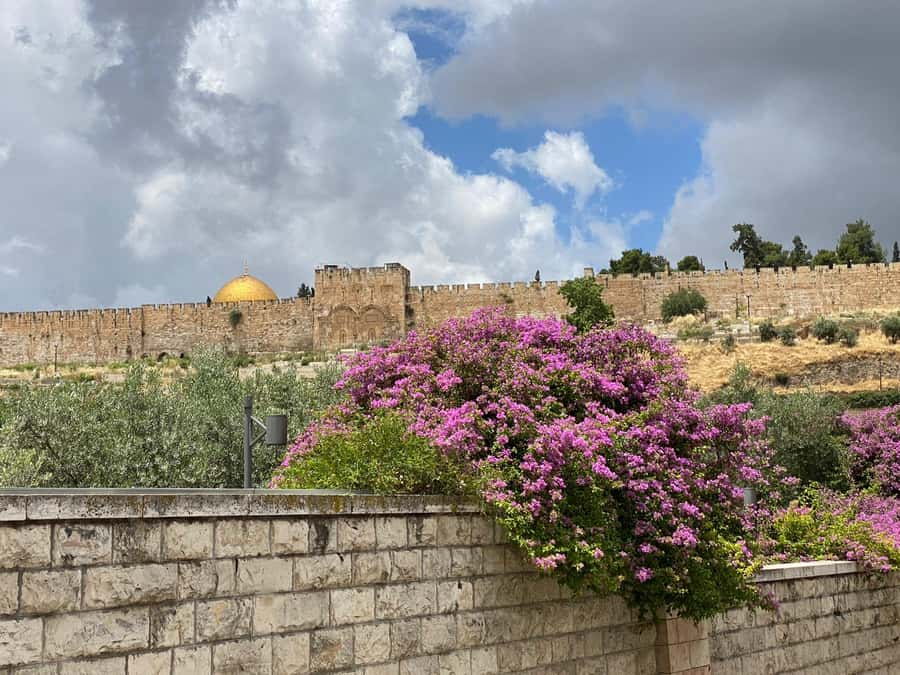
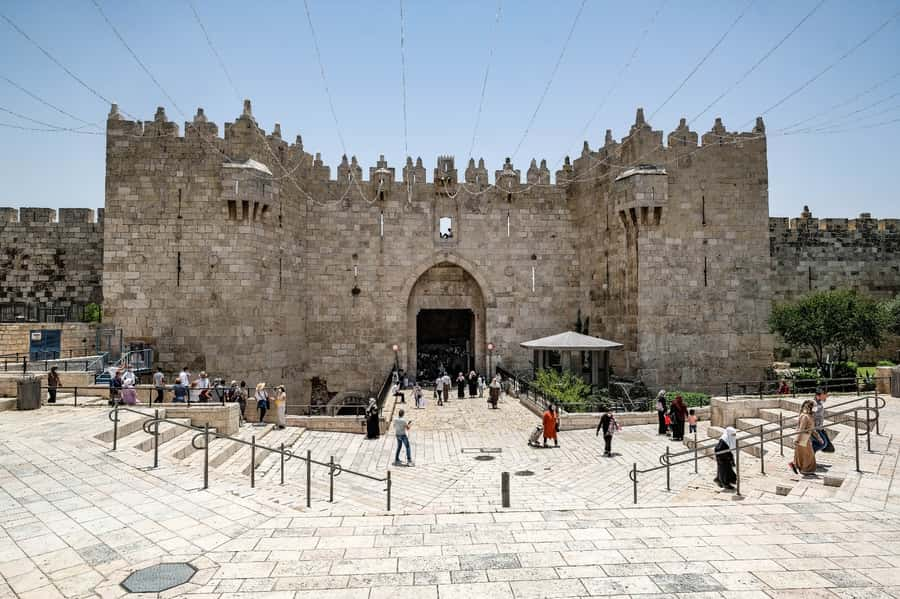
The meeting point is at the entrance to the Mamilla shopping area, close to Jaffa Gate. That location makes practical sense. Jaffa Gate is one of the clearest entry points into the Old City, and the Mamilla area gives you a recognizable place to meet before the narrow lanes begin.
Your guide first sets the scene with the creation of the State of Israel and the different neighborhoods of Jerusalem. This opening helps you understand that the Old City is not a sealed museum. It is part of a living city, with modern political, religious, and cultural questions still close at hand.
The tour then enters the Old City through its walls. These fortifications were built under Suleiman the Magnificent, the Ottoman ruler whose work helped shape the Jerusalem you see today. A wall tour can sound like a simple architectural stop, but here it gives you a useful frame: Jerusalem has long been a city defined by gates, borders, defense, and movement.
Bring water, a hat, and good walking shoes. Those are not decorative suggestions. Three hours on stone streets and through uneven lanes can feel demanding, especially in warm weather. Parks and museum entrance fees are not included, so the value of this experience comes mainly from the guided walking and interpretation rather than from paid admissions.
More of the Old City from Jerusalem:
- Jerusalem: Guided Walking Tour of the Old City
★ 4.7 · 386 reviews - Best seller! Jerusalem old city four quarters tour
★ 5.0 · 123 reviews - Private Tour Jerusalem Old City
★ 5.0 · 118 reviews
The Armenian Quarter and a quieter first chapter
The Armenian Quarter is the first major neighborhood on the route. It is an important choice for an opening stop because it introduces one of the Old City’s four quarters before the route moves into better-known Jewish and Christian sites.
The tour presents Jerusalem through its Armenian community, then continues toward the Jewish Quarter. The Armenian section gives the itinerary a calmer beginning than starting immediately with the Western Wall or the Church of the Holy Sepulchre. You get a sense of the Old City as a patchwork of communities, not just a line between famous monuments.
Because the tour is private, you can ask for clarification when the religious and political geography becomes confusing. That matters in Jerusalem. Names, traditions, and boundaries do not always fit neatly into a short guidebook paragraph, and a live guide can adapt the explanation to your interests.
The route is conducted in French, English, or Italian. For French speakers, this is a particularly useful option because the guide can explain sensitive religious subjects in your preferred language rather than forcing you to piece together meaning from short translated remarks.
Walking the Roman Cardo with Hadrian
From the Jewish Quarter, the route turns toward the Roman period and follows the Cardo. The street is associated with Publius Aelius Hadrianus, better known as the emperor Hadrian, and it gives you a physical reminder that Roman Jerusalem was planned, rebuilt, and reshaped after earlier eras.
I like this part of the route because it makes time easier to follow. Instead of treating Roman Jerusalem as a date on a timeline, you walk along the line of an ancient street. The Cardo connects the city you see now with the Roman city that occupied this same ground.
The route does not treat the Old City as one uninterrupted period. It moves from Ottoman walls to Armenian Jerusalem, then to the Jewish Quarter and Roman Cardo. That change of era is the point. The stones under your feet have been used, repaired, covered, and reinterpreted by different rulers and communities.
Three hours is enough to make this transition clear, but not enough for a long archaeological examination. If your main interest is Roman architecture or detailed archaeology, you may want separate time for museums and archaeological sites. Those admissions are not included in the tour, so plan for extra costs if you decide to visit them independently.
Hezekiah, Isaiah, and Jerusalem’s water story
One of the most distinctive parts of the route is the story of King Hezekiah and the prophet Isaiah. The tour uses this biblical episode to show how Jerusalem’s religious story is tied to practical questions of water, defense, and survival.
Hezekiah is remembered as a pious king, but the tour also emphasizes his technical ability. That combination gives the story more life than a simple account of a biblical ruler. You hear about a leader whose religious decisions and engineering work were both important to the city.
The story of Hezekiah and Isaiah also helps explain why Jerusalem’s water supply matters so much. The provided route does not promise entry to a water tunnel or a separate archaeological attraction, so you should not expect that part automatically. Instead, the guide brings the biblical account into the walking narrative.
This is where a strong guide can make a major difference. Florent is the named guide associated with the experience, and the feedback about his work repeatedly highlights clear explanations, care, culture, and a pleasant manner. Stéphane described him as an exceptional guide who was erudite and able to teach well, while Antonie specifically praised his attentiveness and very clear explanations.
Those details matter more than a long list of stops. In Jerusalem, the challenge is not finding something old. The challenge is understanding why each layer matters without getting lost in names and dates.
Same base, a different sort of day:
- From Jerusalem: Masada & Dead Sea Full Day Tour with Pick Up
★ 4.5 · 815 reviews - Masada and the Dead Sea Day Trip from Jerusalem
★ 4.5 · 757 reviews - From Jerusalem: Nazareth and Sea of Galilee Tour
★ 4.5 · 588 reviews - Nazareth and the Sea of Galilee Day Trip from Jerusalem
★ 4.5 · 446 reviews
The Temple area and the Western Wall
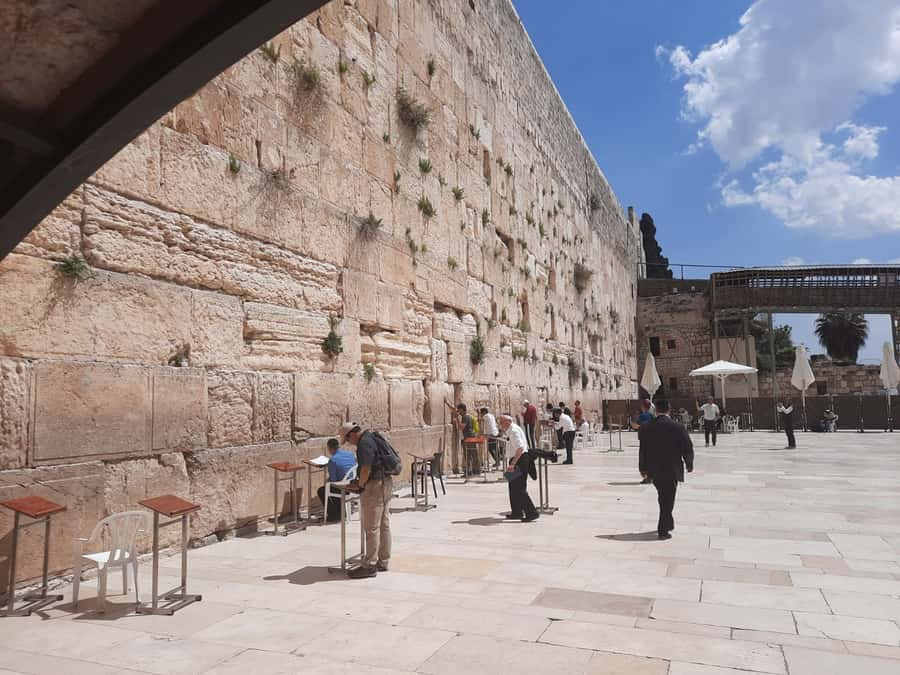
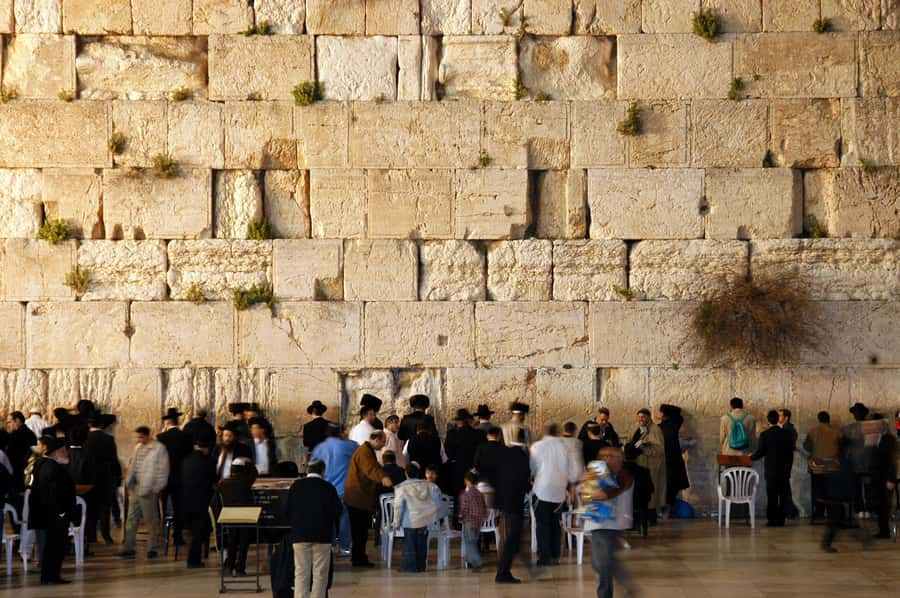
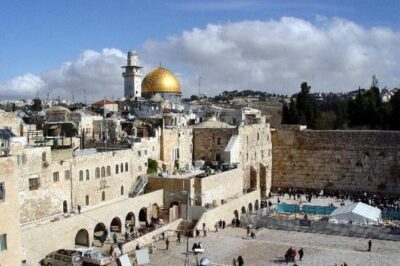
The route next revisits the Temple of Jerusalem and reaches the Western Wall. This is one of the tour’s central moments, both for its religious importance and for the way it ties several periods together.
The Western Wall is not simply another photo stop. It is a place of prayer and memory, and the tour places it within the wider story of the Temple and Jerusalem’s Jewish quarter. Your guide also connects this section to the Islamic era of the city, helping you see that the same area carries meaning across different faith traditions.
The overview describes the experience as a discovery of the three religions of the book: Judaism, Christianity, and Islam. The value of that approach is balance. Rather than treating Jerusalem as belonging to one story only, the tour shows how several traditions have shaped the same compact city.
You should expect religious sites to require a respectful approach. The supplied information does not specify clothing rules, security procedures, or exact access arrangements, so do not assume every interior or area will be available during your particular start time. The guide can explain the context even when entry is limited.
The Western Wall section also gives you a natural point to pause and absorb the scale of the Old City. The route is compact, but the ideas are not. In just a few streets, you are dealing with biblical kings, Roman rule, Ottoman construction, Jewish prayer, and Islamic Jerusalem.
Ending at the Church of the Holy Sepulchre
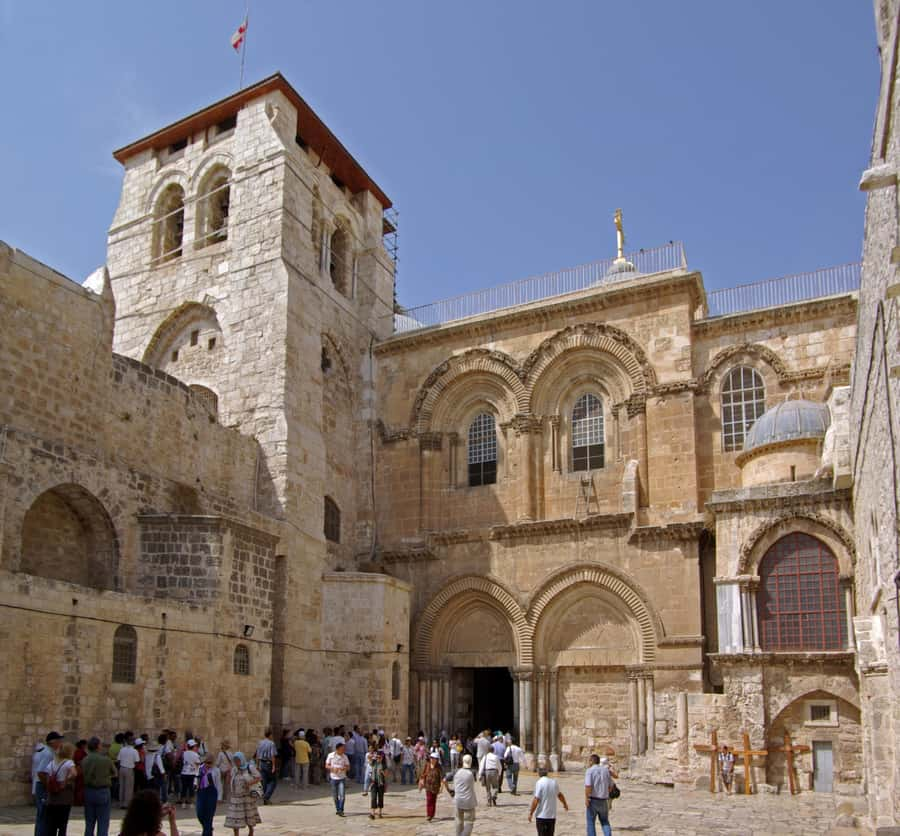
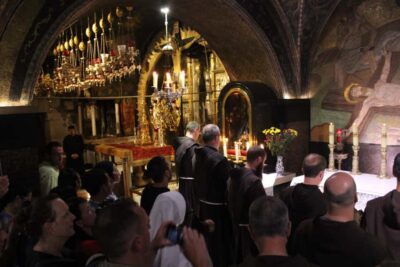
The final part follows the path associated with Jesus and ends at the Church of the Holy Sepulchre. This gives the tour a clear narrative finish: after the Armenian and Jewish quarters, the Roman Cardo, the biblical story, the Temple area, and the Islamic era, you arrive at Jerusalem’s major Christian destination.
The Church of the Holy Sepulchre is a powerful ending because it brings the Christian story into the center of the route. The focus is the Passion, and the guide connects the church to the path Jesus is traditionally understood to have taken.
The church is also a place where a short visit can feel crowded with meaning. You may find that the explanation outside and around the church is as useful as the building itself. The supplied information does not promise a museum visit or a special interior experience, so consider this a guided introduction rather than a full study of every chapel and tradition inside.
Ending here works well for a first look at Jerusalem. You finish with a clear sense of how the Old City brings together sacred places, ancient streets, and active communities. If you want a longer Christian pilgrimage experience, you would need extra time beyond this tour.
Why a private three-hour tour can be worth $82
At $82 per person, the price is not the cheapest way to walk through the Old City. But the tour is a private group experience, and that changes the value. You are paying for a live guide who can shape the explanations around your group, answer questions, and keep the route focused.
The price makes the most sense for you if you want orientation and context in one compact visit. A self-guided walk can take you to the same general streets, but it may not explain why the Armenian Quarter comes before the Jewish Quarter, how the Cardo fits into the Roman period, or why Hezekiah’s story matters.
It is less compelling if you only want access to paid attractions. Entrance fees for parks and museums are not included, and the three-hour route is primarily a guided walk. Think of the fee as payment for structure, language support, and interpretation.
The high rating of 5 from 9 reviews supports the impression that the guiding is the heart of the experience, especially the praise for Florent’s teaching style. Still, a small number of ratings cannot answer every question about weather, crowd levels, or the exact rhythm of every departure. One booking took place in light rain, and the tour was still described as very good, so bring sensible clothing and do not treat Jerusalem sunshine as guaranteed.
Who will get the most from this route
I would choose this tour if you are visiting Jerusalem for the first time and want the major religious and historical themes connected in a single walk. It also suits French speakers who want detailed explanations without relying on English.
The private format works well for couples, families, or a small group with shared interests. You can ask about the Bible, Roman Jerusalem, the Armenian community, the Western Wall, or Christian traditions without waiting for a large group to move on.
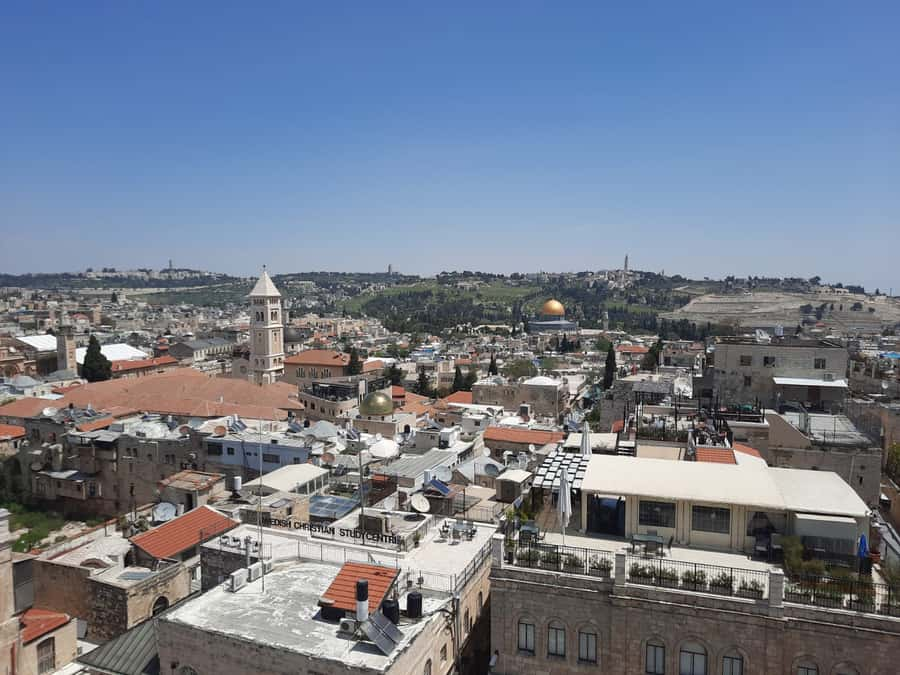
It is also a good fit if you want to understand the Old City before returning on your own. After three hours, you will have a working map of the four quarters and a clearer idea of which places deserve more time.
You may want another plan if you have limited walking ability, dislike uneven streets, or prefer indoor museums. The tour is entirely described as a walking experience, and the provider specifically recommends good walking shoes. The information does not give an accessibility assessment, so ask before booking if that is important for you.
Practical details before you book
The tour lasts three hours, with starting times depending on availability. It begins near the Mamilla shopping area entrance and starts the Old City portion at Jaffa Gate.
A live guide is available in French, English, and Italian. Florent is the guide named in the available information, and his strongest qualities are clear explanations, attentiveness, and a pleasant teaching style.
You can cancel up to 24 hours before the tour for a full refund. A reserve-now, pay-later option is also available, which helps if your Jerusalem schedule is still shifting.
Wear good walking shoes and bring water and a hat. Parks and museum entrance fees are extra. Since the tour covers major religious sites, dress and behavior should be respectful, though exact site rules are not specified in the information provided.
Should you book this Old City walk?
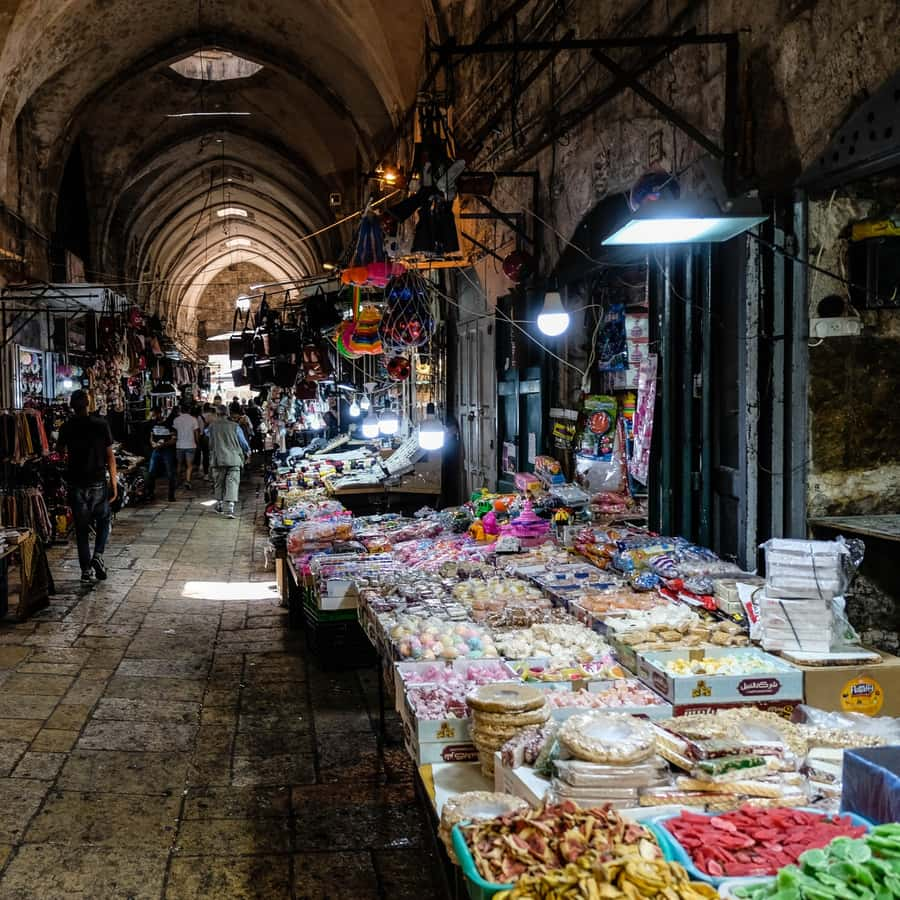
Book it if you want a focused introduction to Jerusalem’s Old City with a private guide and a strong French-language option. The route connects the Armenian Quarter, Jewish Quarter, Roman Cardo, Hezekiah and Isaiah, the Western Wall, Islamic Jerusalem, and the Church of the Holy Sepulchre in a sensible three-hour sequence.
I would not book it expecting a full archaeological tour, museum access, or a leisurely examination of every church and quarter. For those goals, you need more time and probably extra admissions.
For a first visit, though, the combination is appealing: a manageable route, a private group, several major traditions, and a guide praised for being attentive, cultured, and clear. If that sounds like the way you want to meet Jerusalem, $82 can be a fair price for getting your bearings with meaning rather than simply collecting landmarks.
FAQ
Where does the tour meet?
The meeting point is at the entrance to the Mamilla shopping area. The Old City walking portion begins from Jaffa Gate.
How long does the tour last?
The tour lasts three hours. Starting times depend on availability.
Which languages are available?
The live guide can conduct the tour in French, English, or Italian.
Is this a private tour?
Yes. The group type is listed as a private group.
Are entrance fees included?
No. Park and museum entrance fees are not included.
What should I bring?
Bring a hat, water, and good walking shoes. The tour is a three-hour walking experience through Jerusalem’s Old City.
Just added in Jerusalem
- jerusalem classic tour★ 5.0 · 3 reviews
- kosher Israel wine tour★ 5.0 · 4 reviews
- Tour of Jerusalem & Dead sea private tour★ 5.0 · 4 reviews
- West Bank Tour from Jerusalem and Tel-Aviv – Bethlehem & Jericho★ 5.0 · 6 reviews
- full day tour Jerusalem price per van up to 6 people★ 5.0 · 8 reviews
- Tour of Masada-Dead Sea and Qumran from Jerusalem★ 3.5 · 11 reviews
- Full Day Private Christian Tour in Jerusalem with Tour Guide★ 5.0 · 28 reviews
- Magical Walking Tour in Old City of Jerusalem★ 5.0 · 27 reviews
Jerusalem Old City Tours, compared.


Jerusalem Half Day Tour: Holy Sepulchre and Western Wall
Read our review →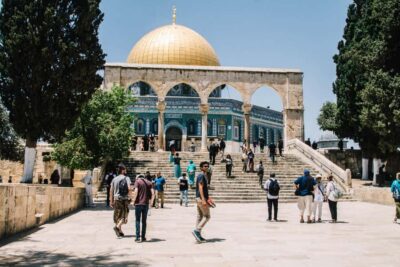
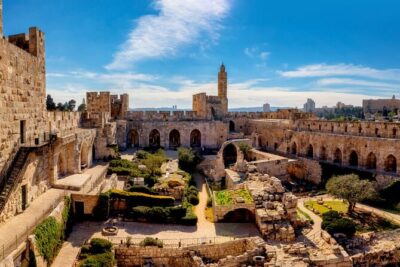
City of David and Underground Jerusalem Day Tour
Read our review →Browse the lists this tour appears in